
Why Does Homemade Wine Taste Bad? The Home Winemaking Mistakes Behind Every Failed Batch

MyHomeVineyard.com • September 9, 2026

Share this article

Nearly every home winemaker has opened a bottle they were proud of six months earlier and found something closer to vinegar in the glass. It is one of the most common outcomes in DIY winemaking, and it almost never comes down to bad luck or bad grapes. It comes down to a handful of process mistakes that happen in the first few weeks after the grapes are crushed — mistakes that are invisible until the wine is already ruined. MyHomeVineyard.com has spent 13 years building, managing, and making wine for Southern California properties, and the batches that come to us for help after a failed attempt almost always trace back to the same short list of errors. Here is what actually goes wrong, backed by the same sanitation and fermentation science any commercial winery follows, and what changes when a licensed winery handles the process instead.

Why Does Homemade Wine Taste Bad? It Almost Always Comes Down to Two Things

Strip away the specifics and homemade wine fails for one of two reasons: something contaminated it, or oxygen got to it when it shouldn't have. Both are preventable, and both are also easy to miss if you have never made wine under professional conditions before. Virginia Tech's Cooperative Extension, one of the most detailed public guides available on home winemaking, is blunt about the first cause: "sanitation is essential," because "fungi and bacteria found on most garden produce, on kitchen counters and tools, or even in the air can spoil the wine," even when the equipment looks perfectly clean ( Virginia Tech Cooperative Extension).

The second cause, oxygen exposure, is trickier because it happens exactly when a new winemaker relaxes. Once active fermentation ends, the protective blanket of carbon dioxide that kept air away from the wine disappears, and the clock starts on oxidation and spoilage. Most of the wine that "tastes off" a home winemaker has ever tasted failed somewhere in this two-part sequence, not because of anything mysterious about their grapes.

Mistake #1: Treating Sanitation as Optional

Grapes, kitchen counters, garden tools, and the air itself all carry wild yeast and bacteria that have nothing to do with the strain a winemaker intentionally pitches. Left unchecked, those organisms compete with the fermentation and can produce off-flavors long before anyone tastes the finished wine. Clemson University's Home & Garden Information Center walks home winemakers through exactly this risk, and is specific that even the bottles matter: containers "should either be new or only ever used to store wine before," and should never have held chemicals or other non-food products, since residues carry straight into the finished bottle ( Clemson HGIC).

Virginia Tech's guide goes further on method: a proper sanitizing solution is roughly 14 crushed Campden tablets (potassium metabisulfite) dissolved in a gallon of water, or a measured potassium metabisulfite powder solution, applied to every surface the wine will touch — not just the fermenter, but hoses, spoons, airlocks, and bottling equipment ( Virginia Tech Cooperative Extension). Skipping this step on "the parts that don't really touch the wine" is one of the most common shortcuts new winemakers take, and one of the most common reasons a batch turns.

Mistake #2: Leaving the Wine Unprotected After Fermentation Stops

This is the mistake professional winemakers watch for most closely, because it happens at the exact moment a home winemaker is most likely to walk away and consider the job done. Jim Duane, a winemaker at Seavey Vineyard, explained it plainly in an interview on wine faults: "You can only have this short window of time when wine is really protected from oxygen, when it's actively fermenting… That's probably one of the main faults that I see," referring to the period right after fermentation ends and before sulfite has been added, when oxidation risk is at its highest ( InnoVint).

WineMaker Magazine's list of the top rookie mistakes puts it the same way from the home winemaker's side: "Once a wine goes still it's critical to protect it," because the CO2 that shielded the wine during active fermentation is gone, leaving it open to oxygen and spoilage organisms the moment it's left uncovered, untopped off, or under-protected with sulfur dioxide ( WineMaker Magazine). This is also the exact moment the acetic acid bacteria responsible for that unmistakable vinegar smell get their opening — they need both oxygen and an opportunity, and an unprotected vessel after fermentation gives them both ( WineMaker Magazine).

Mistake #3: Getting Sulfite (SO2) Additions Wrong

Sulfite is the tool that closes the gap between "actively fermenting and protected" and "still and vulnerable," but it only works if the timing and amount are right. Add it too early and it can stall a healthy fermentation; add it too late, or too little, and the wine has already been exposed. Beyond acting as a preservative, sulfite scavenges the acetaldehyde compound responsible for the flat, rotten-apple aroma of an oxidized wine — which is exactly why professional cellars treat the sulfite addition right after fermentation as one of the most consequential decisions in the entire process ( InnoVint).

For home winemakers using Campden tablets or potassium metabisulfite powder as their sulfite source, Virginia Tech's guide is a useful baseline for concentration and handling, but it also underscores something worth taking seriously: recommendations vary across sources, and reading the product directions carefully matters more than following a number from memory ( Virginia Tech Cooperative Extension). Guessing at sulfite dosage is one of the fastest ways to end up with either a stuck fermentation or an unprotected, oxidizing wine.

Mistake #4: Picking on the Calendar Instead of the Numbers

The mistakes above happen after the grapes are already in the fermenter, but the most consequential decision in the entire process happens before that: when to pick. WineMaker Magazine's winemaking advice column calls this "the single most important decision a fresh grape winemaker will make in a wine's life," and warns against both extremes — pick too early and a red wine can carry a green, unripe character it never loses; pick too late and a delicate variety can turn flabby and overly alcoholic ( WineMaker Magazine). For Southern California properties, canopy density and sun exposure through the growing season directly affect when a block is actually ready, which is why MyHomeVineyard.com treats canopy management as part of the same conversation as harvest timing, not a separate task. The grape variety planted in the first place also shapes the ripening window, which is why it's worth getting right before a single vine goes in the ground.

What Changes When a Licensed, Bonded Winery Makes Your Wine Instead

Every mistake above is avoidable — and every one of them is exactly what a licensed, bonded winery is built to control. MyHomeVineyard.com operates a fully licensed Type 02 winery out of Historic Rancho Cucamonga, which means the sanitation protocols, sulfite management, and fermentation monitoring that separate a good bottle from a ruined batch happen under the same regulatory and quality standards as any commercial winery, not on a kitchen counter. It's the reason so many of the clients who come to us have already tried making their own wine and, in their words, watched it "never turn out well."

MyHomeVineyard.com's owner started building vineyards at 11 years old alongside his father, and his full story is part of why the business runs the way it does today: on the idea that a vineyard's beauty, and the wine that comes from it, doesn't have to happen at a chateau — it can happen on your own property. That philosophy is why the business offers what it calls the trifecta: vineyard installation, ongoing vineyard management — including the training and licensing to counteract Pierce's Disease — and private winemaking in one continuous, accountable process, rather than three separate vendors who never talk to each other. The winery is also believed to be the only private-label operation in California running true nano-batches specifically for home vineyard owners, and it uses ultrasonication to accelerate oak aging so clients aren't waiting years to taste the results of a process that, done right, is fully verifiable — most MyHomeVineyard.com clients end up with their own custom, bottled wine as proof. For homeowners still weighing whether the trifecta is worth it, MyHomeVineyard.com's home vineyard cost guide breaks down real numbers by scope.

Frequently Asked Questions

  • Why does my homemade wine taste like vinegar?

    That sharp, vinegar-like smell is almost always acetic acid, produced when bacteria come into contact with both the wine and oxygen — most often during the unprotected window right after fermentation stops ( WineMaker Magazine). Once acetic acid has formed in any real quantity, it generally can't be removed from the batch. 

  • Do I need to sanitize everything, or just the fermenter?

    Everything the wine or grapes touch — hoses, spoons, airlocks, and bottles included, not just the primary vessel. Clemson's guide specifically flags reused bottles that previously held chemicals or other non-food items as a common, overlooked contamination source ( Clemson HGIC). 


  • How much sulfite should I add, and when?

    Timing matters as much as amount sulfite added right after fermentation ends is what protects the wine during its most vulnerable window, but dosage recommendations vary by source and product, so manufacturer directions should always take priority over a remembered number ( Virginia Tech Cooperative Extension). 

  • Can a professional winery fix a batch that already tastes bad?

    It depends on the fault. Some issues, like a wine that has already turned to vinegar, generally can't be reversed. Others, caught early, can sometimes be stabilized. The more reliable path for Southern California home vineyard owners is booking a vineyard consultation before harvest, so the winemaking happens under controlled, licensed conditions from the start. 


Recent Posts

By MyHomeVineyard.com September 3, 2026
Glassy-winged sharpshooter was found on Costco desert willows sold in Orange, Riverside, and San Bernardino County this summer — a real Pierce's disease risk. MyHomeVineyard.com, SoCal's licensed vineyard management specialists, breaks down the CDFA alert and how to check your vines. Book a consultation.
Fine mesh bird netting draped over grapevine rows to protect ripening clusters in a Southern California home vineyard
By MyHomeVineyard.com August 27, 2026
Bird netting for Southern California home vineyards works best installed before veraison, not after — waiting even a week can cost you the harvest. See real California bird-damage data, netting types and costs, and proven alternatives like laser deterrents. From MyHomeVineyard.com, 13 years of SoCal estate vineyard expertise. Book a vineyard consultation.
Grapevine rows in a Southern California home vineyard under a hazy, wildfire smoke-tinted sky
By MyHomeVineyard.com August 20, 2026
Wildfire smoke taint can affect a Southern California home vineyard even when a fire never gets close. See what UC Davis and insurance data say about the 3-week pre-harvest testing window, what NOT to do after smoke exposure, and how MyHomeVineyard.com's licensed winery protects your harvest. Book a vineyard consultation.
By MyHomeVineyard.com August 13, 2026
Home vineyard cost in Southern California isn't one number — Cornell and UC Davis cost-study data put commercial vineyard establishment above $20,000–$28,000 per acre, and backyard scale changes the math. MyHomeVineyard.com, 13 years of SoCal estate vineyard expertise, breaks down where the money actually goes. Book a vineyard consultation.
By MyHomeVineyard.com August 6, 2026
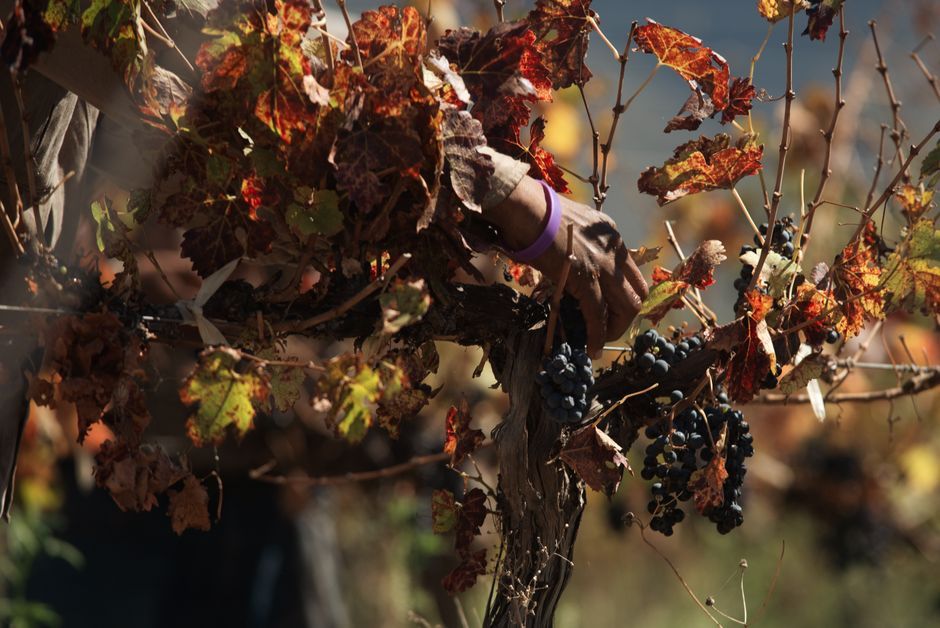
Most SoCal home vineyard grapes hit harvest-ready Brix between late August and early October. MyHomeVineyard.com — 13 years of SoCal estate vineyard expertise — explains how to test Brix, pH, and TA, what the numbers mean for your wine, and the heat-spike risk unique to inland California.
By MyHomeVineyard.com July 30, 2026
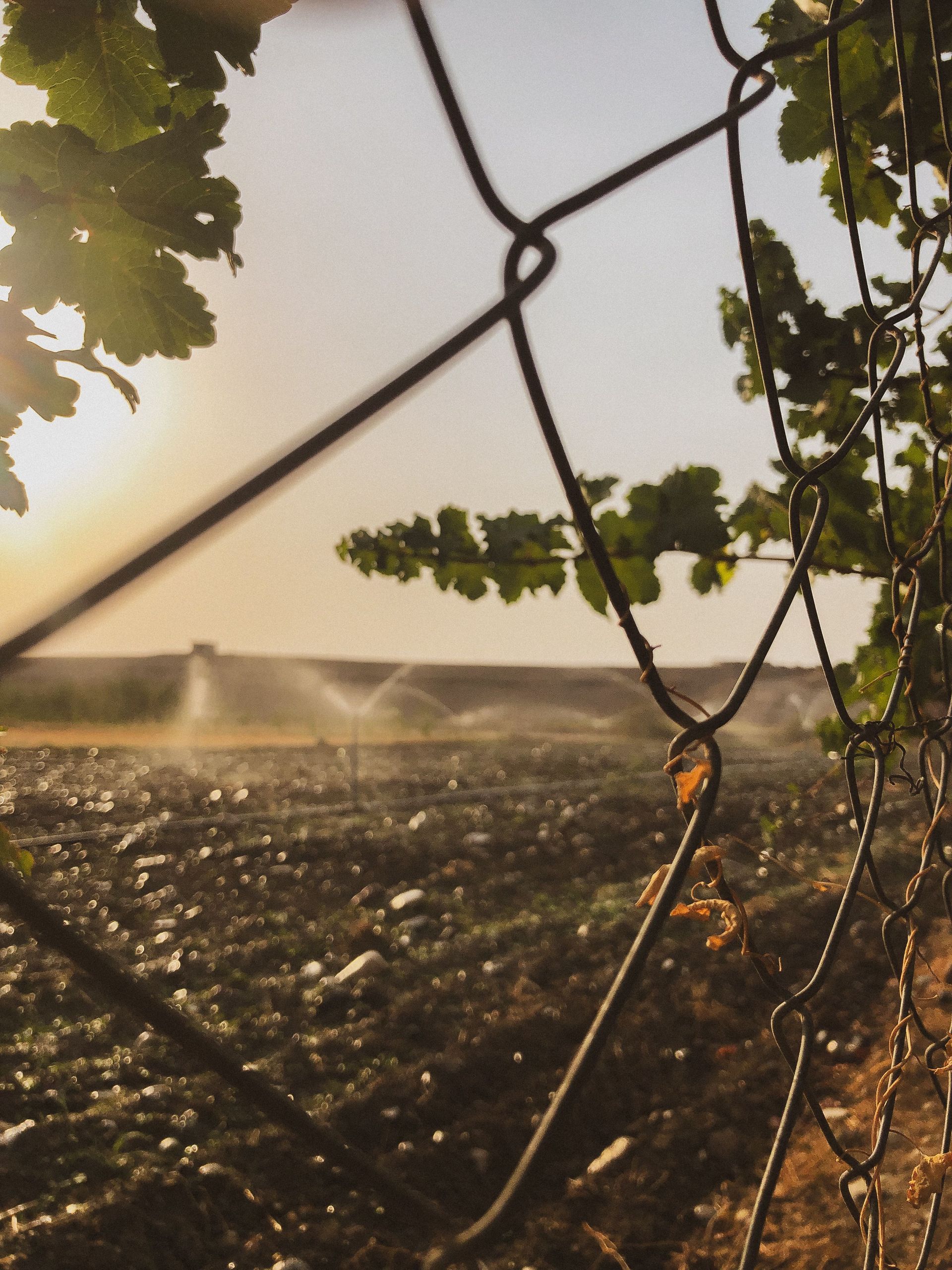
At summer's peak, a mature SoCal vine needs 4–10 gallons of water per day. Get the three-phase drip irrigation schedule UC Cooperative Extension recommends — plus how regulated deficit irrigation improves your wine. From MyHomeVineyard.com, 13 years of SoCal estate vineyard management. Get a custom plan.
By MyHomeVineyard.com July 23, 2026
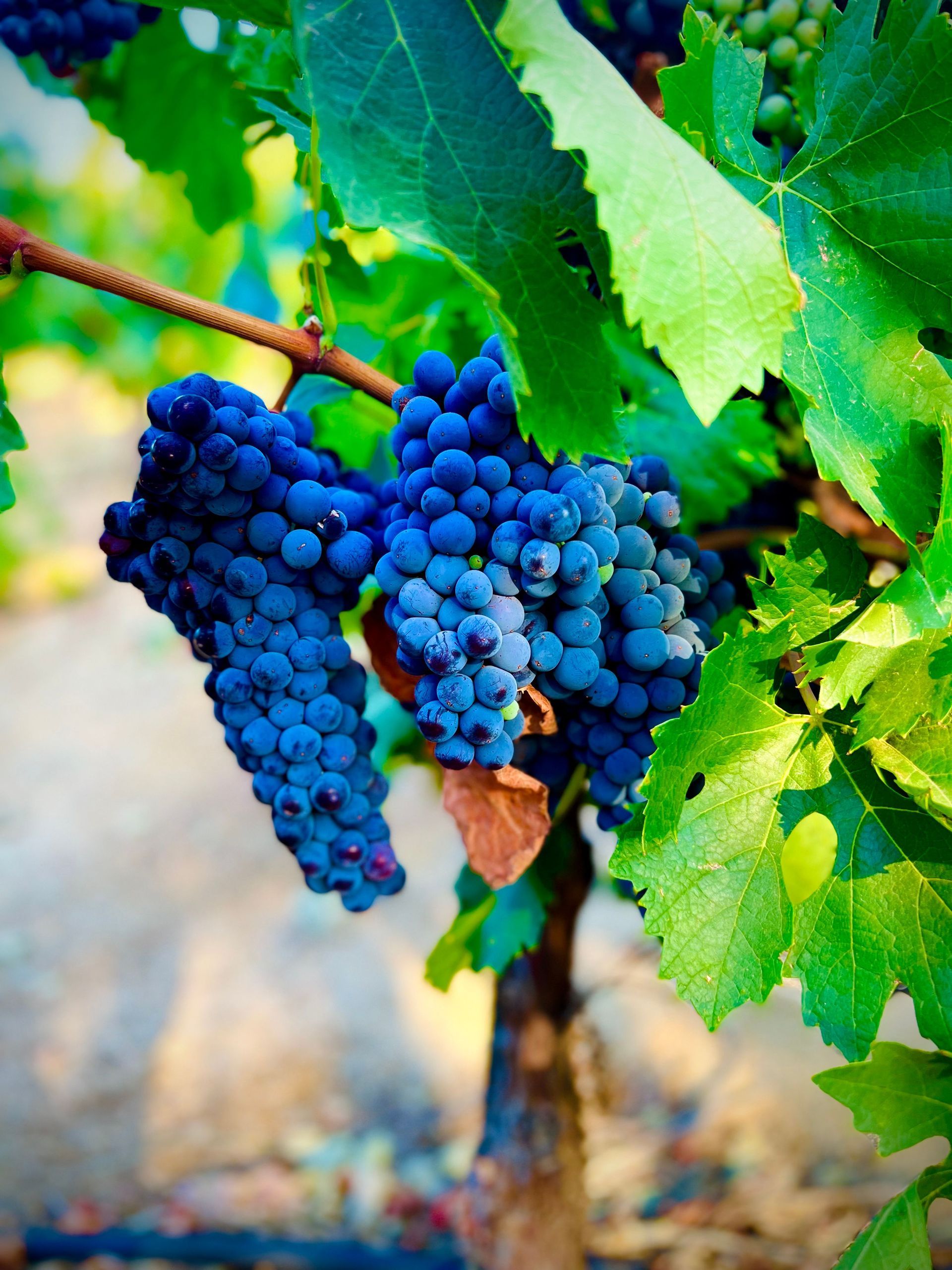
Cluster thinning is your most important management decision of the growing season — and in Southern California, late June through mid-July is the window. MyHomeVineyard.com — 13 years of SoCal estate vineyard expertise — explains exactly when, how, and how much to thin so the grapes on your property produce wine worth keeping. Get a custom management plan.
By MyHomeVineyard.com July 16, 2026
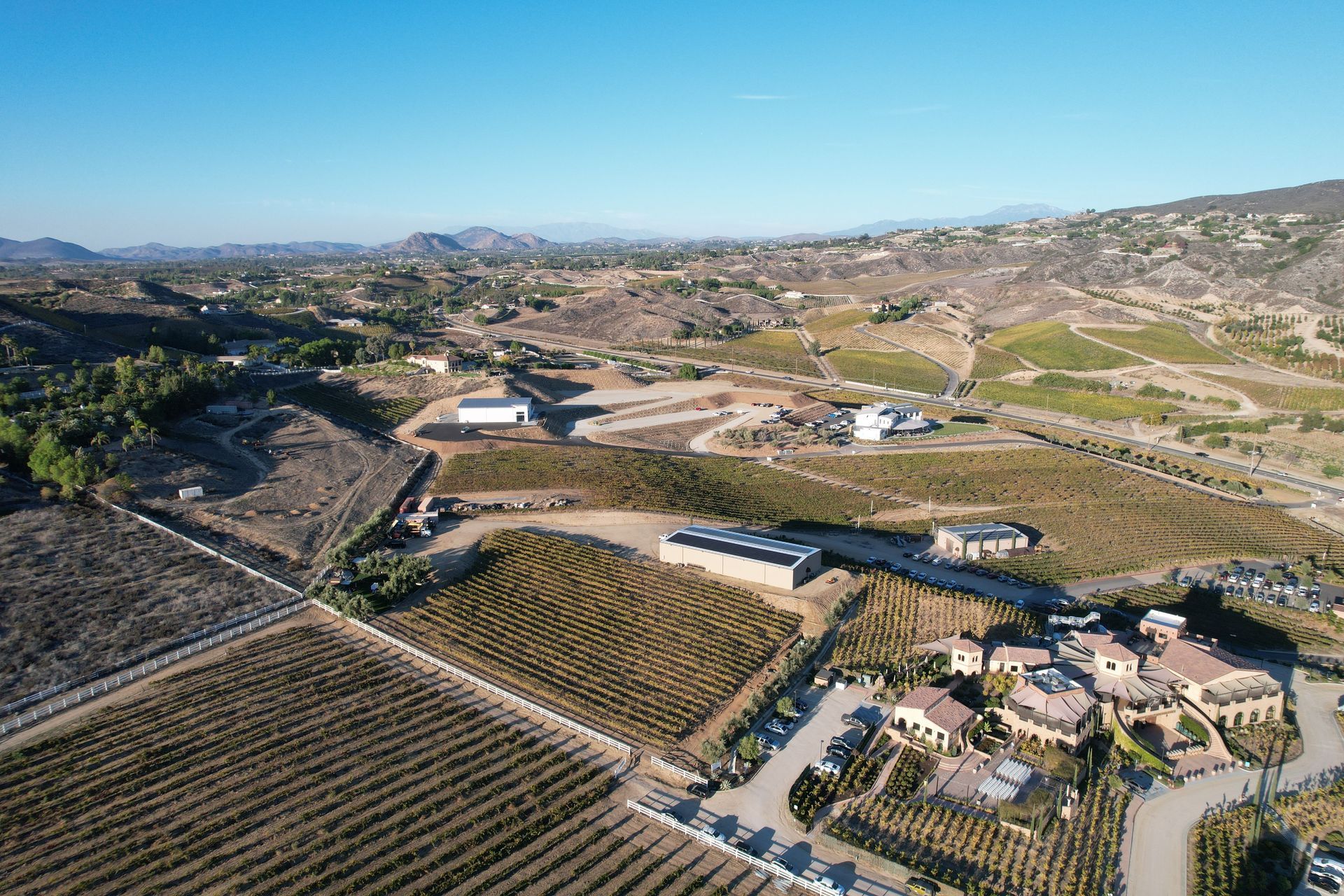
SoCal home vineyard heat waves trigger berry shrivel and sunburn fast. Learn pre-event irrigation, kaolin clay, and canopy strategies that protect your harvest.
By MyHomeVineyard.com July 9, 2026
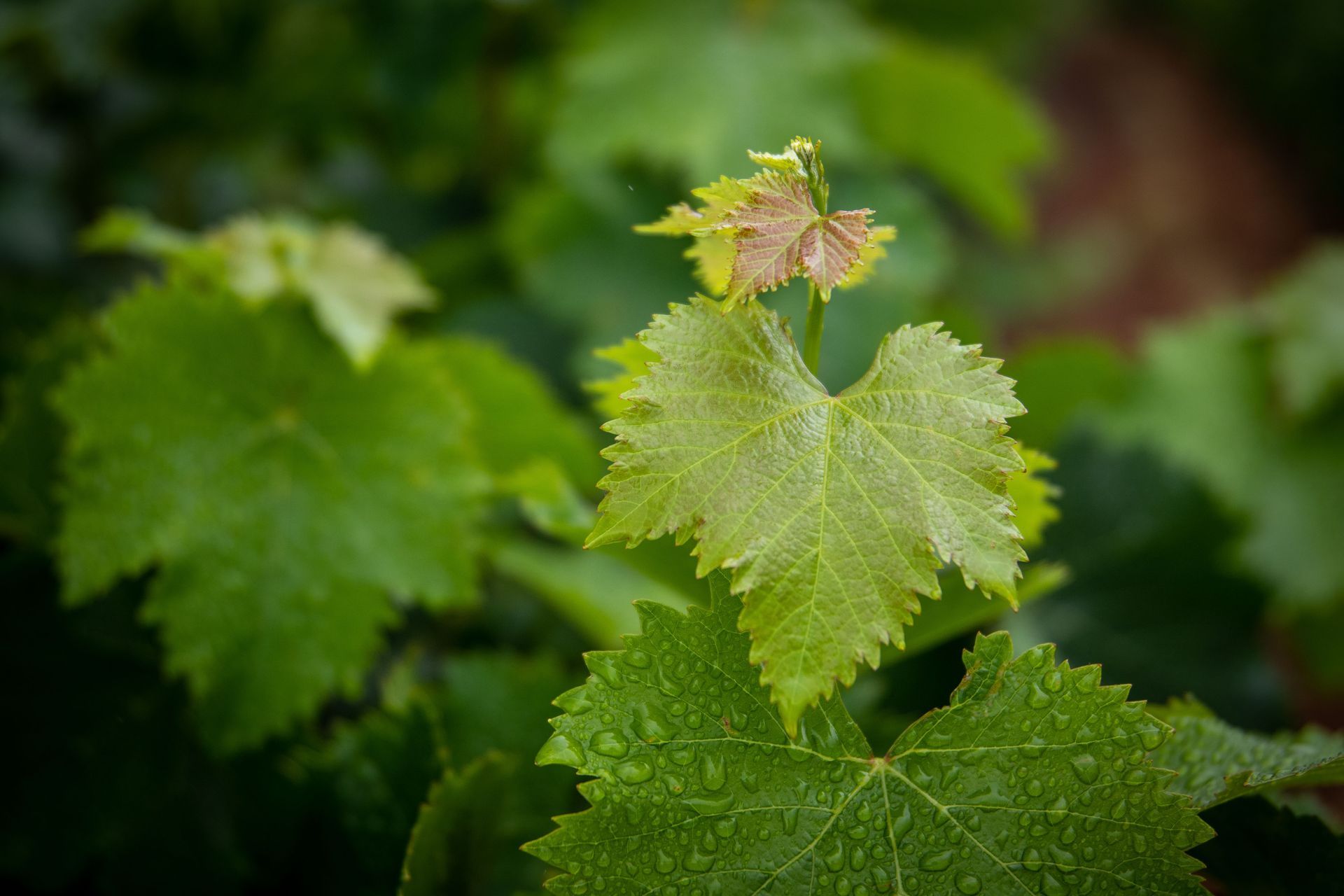
Pierce's Disease costs California more than $100 million per year and wiped out 30% of Temecula's vineyards in just two years. Learn the four diagnostic symptoms, the critical summer risk window, and how licensed vineyard management keeps your SoCal home vineyard effectively disease-free. From MyHomeVineyard.com — 13 years of SoCal estate vineyard expertise.
By MyHomeVineyard.com July 2, 2026
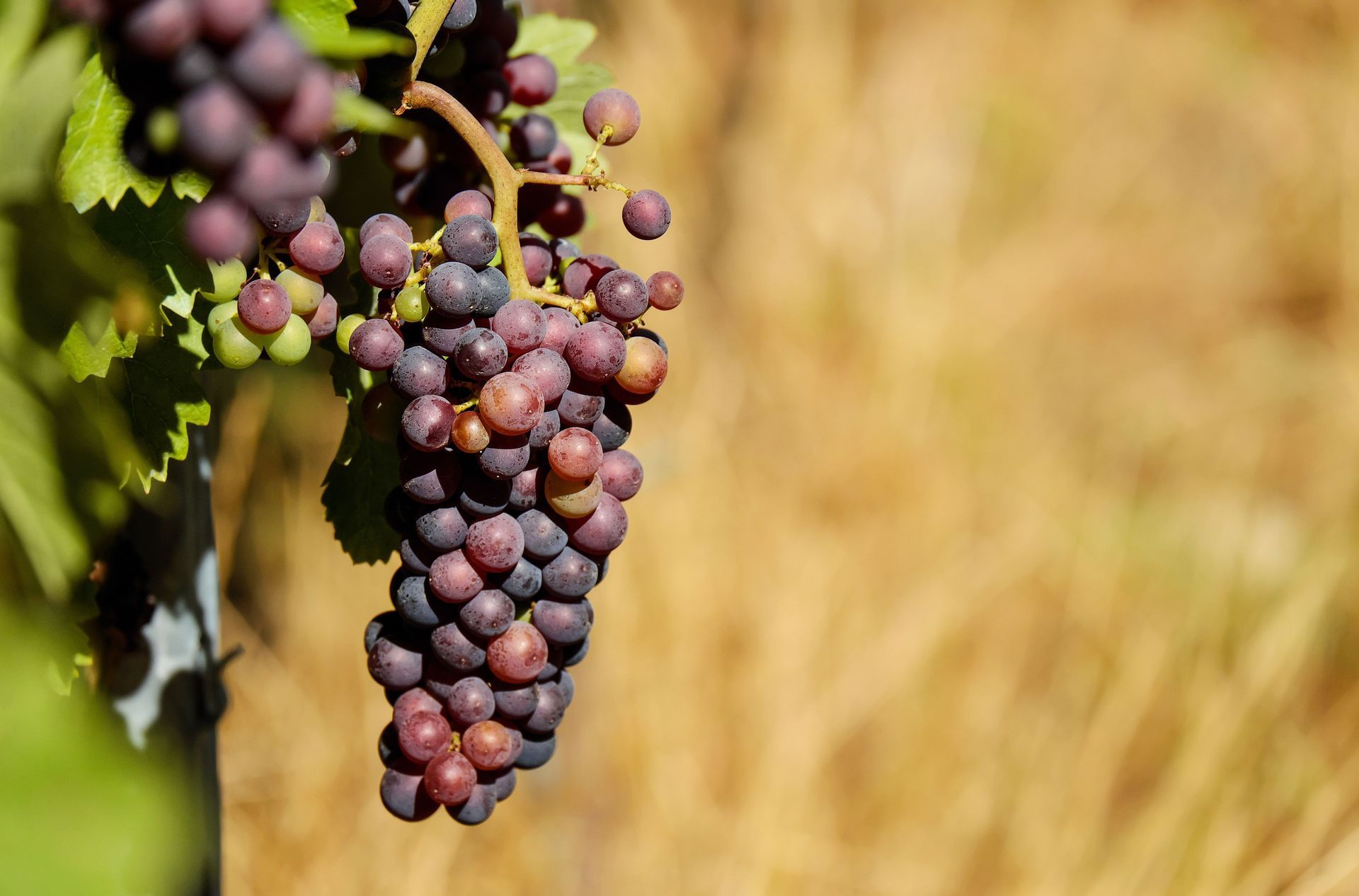
Veraison in Southern California home vineyards typically begins in late July — learn what to watch for by variety, how to adjust irrigation, and when to act on bird protection. Expert guidance from MyHomeVineyard.com — 13 years of SoCal estate vineyard experience.
Show More