How Much Does It Cost to Build a Home Vineyard in Southern California?
The Investment at a Glance: Three Phases, One Decision
The most common question homeowners across San Bernardino, Riverside, and Orange County ask before calling MyHomeVineyard is simple: What is this actually going to cost me? It is the right question, and it deserves a straight answer — not a runaround to a sales call.
The total cost of a home vineyard in Southern California breaks into three distinct phases: installation , annual management , and private winemaking . Each phase is a separate investment with its own scope and timeline. You can enter at Phase 1 — build the vineyard, manage it later — or engage the full trifecta from day one. What you spend depends on your acreage, your soil, your goals, and how hands-on you want to be.
This guide walks through each phase with real cost context, sourced from University of California Cooperative Extension cost studies and 13 years of Southern California vineyard work, so you can budget intelligently before your first site assessment.
Phase 1 — Vineyard Installation: What Goes Into Building Your Vineyard
The installation phase covers everything from raw land to a planted, trellised, drip-irrigated vineyard ready for vines to establish. According to UC Cooperative Extension vineyard establishment cost studies for California, the all-in cost to establish a vineyard — covering site preparation, trellis system, drip irrigation, vines, and planting — ranges from approximately $24,000 to over $35,000 per acre in Central Valley and Northern California wine regions ( UC Davis 2021 Livermore Vineyard Cost Study ). Premium wine regions with higher labor and land costs can see figures of $35,000–$60,000 per acre for establishment alone.
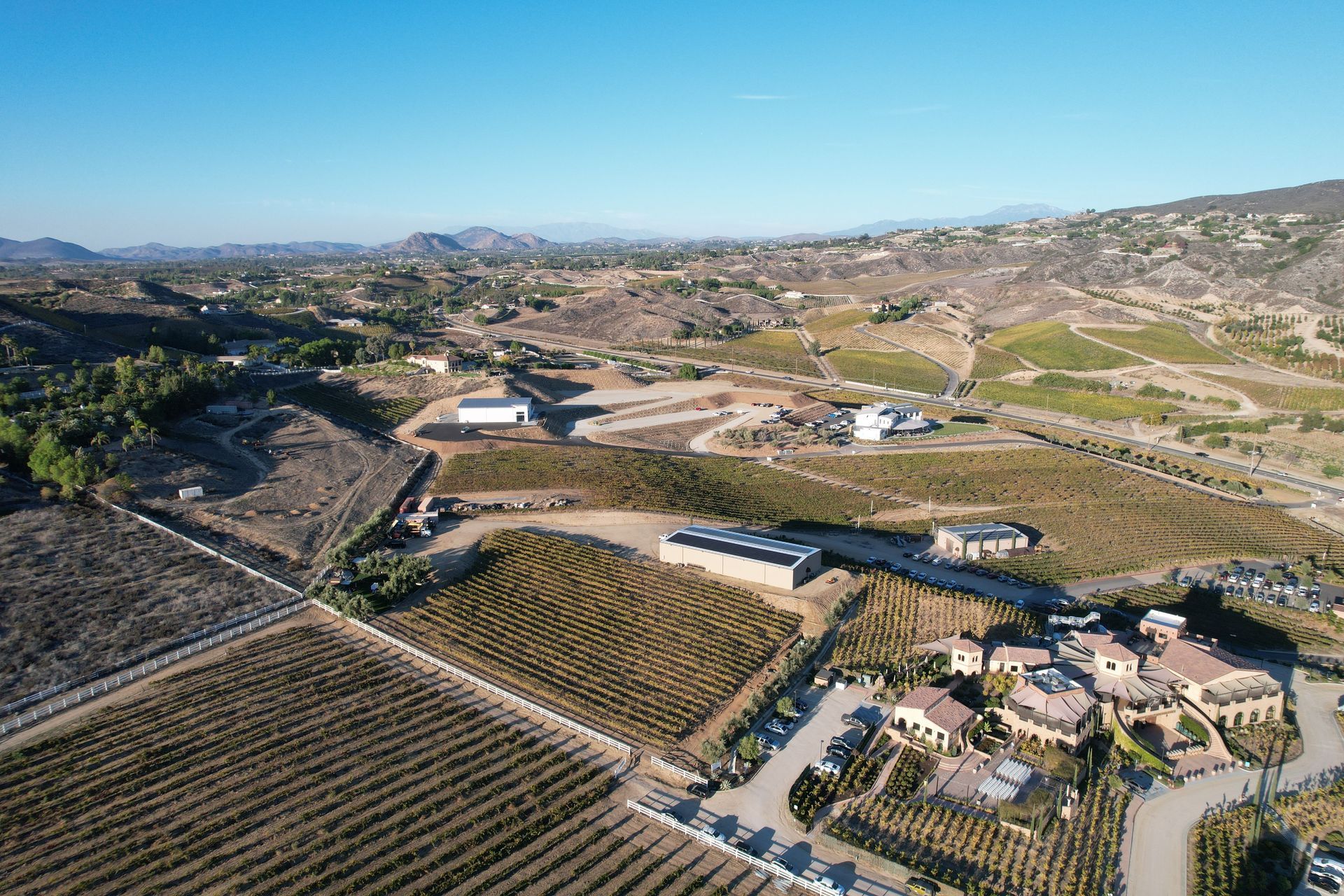
For a typical Southern California residential estate — usually 1/4 to 1 acre — the cost is not a simple per-acre extrapolation. Small-scale vineyard construction carries fixed costs that do not shrink proportionally with acreage: a licensed contractor, equipment mobilization, custom-engineered irrigation design, and permit compliance all apply at any size. A professional vineyard installation on a quarter-acre hillside property reflects the genuine cost of doing the work right for a 30-year asset, not a landscaping job.
The major cost components are:
- Site evaluation and soil testing — Understanding your specific microclimate, drainage characteristics, and soil composition determines vine spacing, rootstock selection, and irrigation design. Every SoCal property is different, which is why MHV provides custom site assessments before any installation begins.
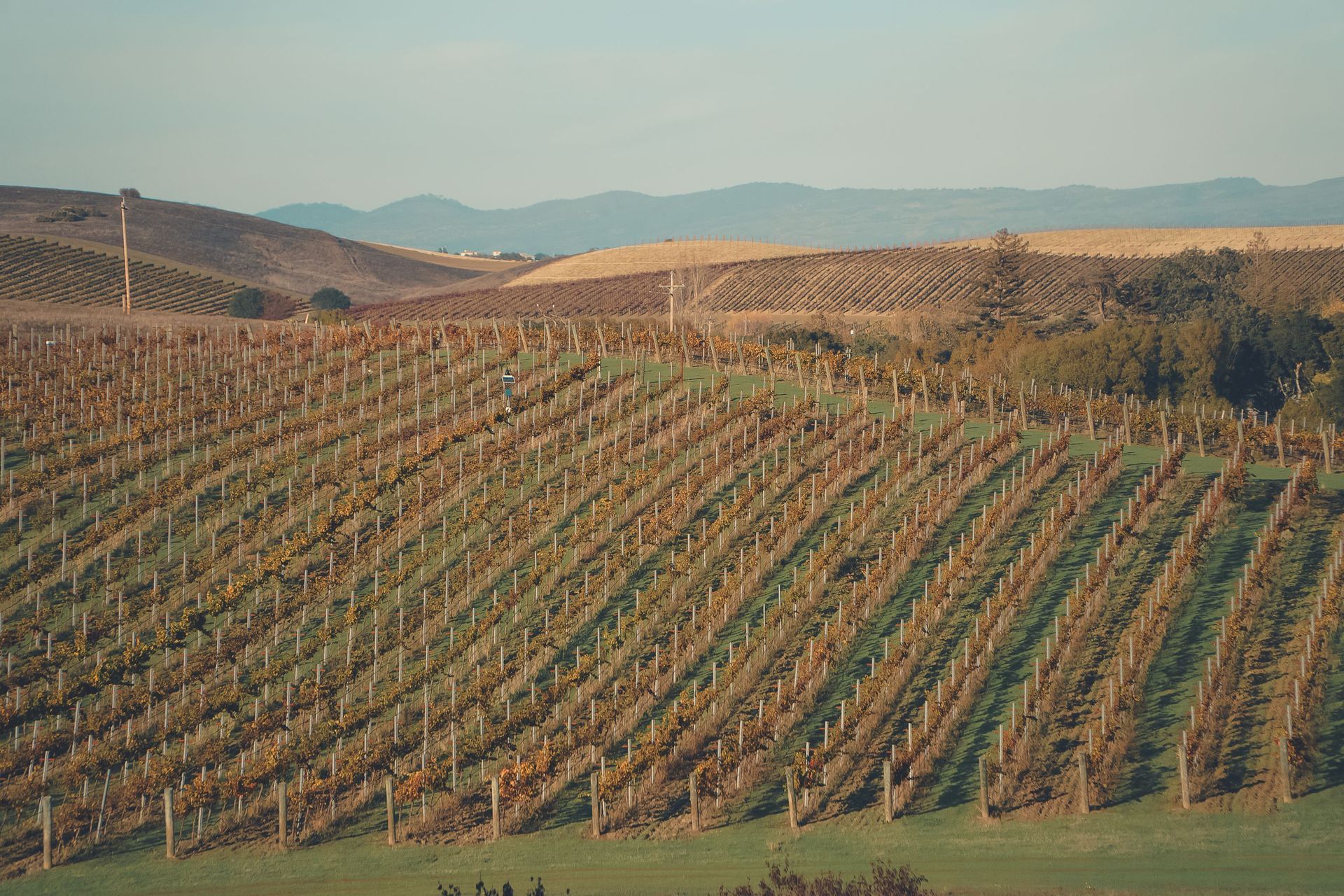
- Terrain preparation and terracing — Many of the hillside properties best suited for SoCal home vineyards require grading, terracing, and erosion control before a vine goes in the ground. This labor is site-specific but sets the foundation for a vineyard that produces reliably for decades.
- Trellis system — Posts, end posts, high-tensile wire, and anchoring hardware support your vines through decades of growth and harvests. UC Extension studies confirm that trellis materials and installation represent one of the larger line items in vineyard establishment.
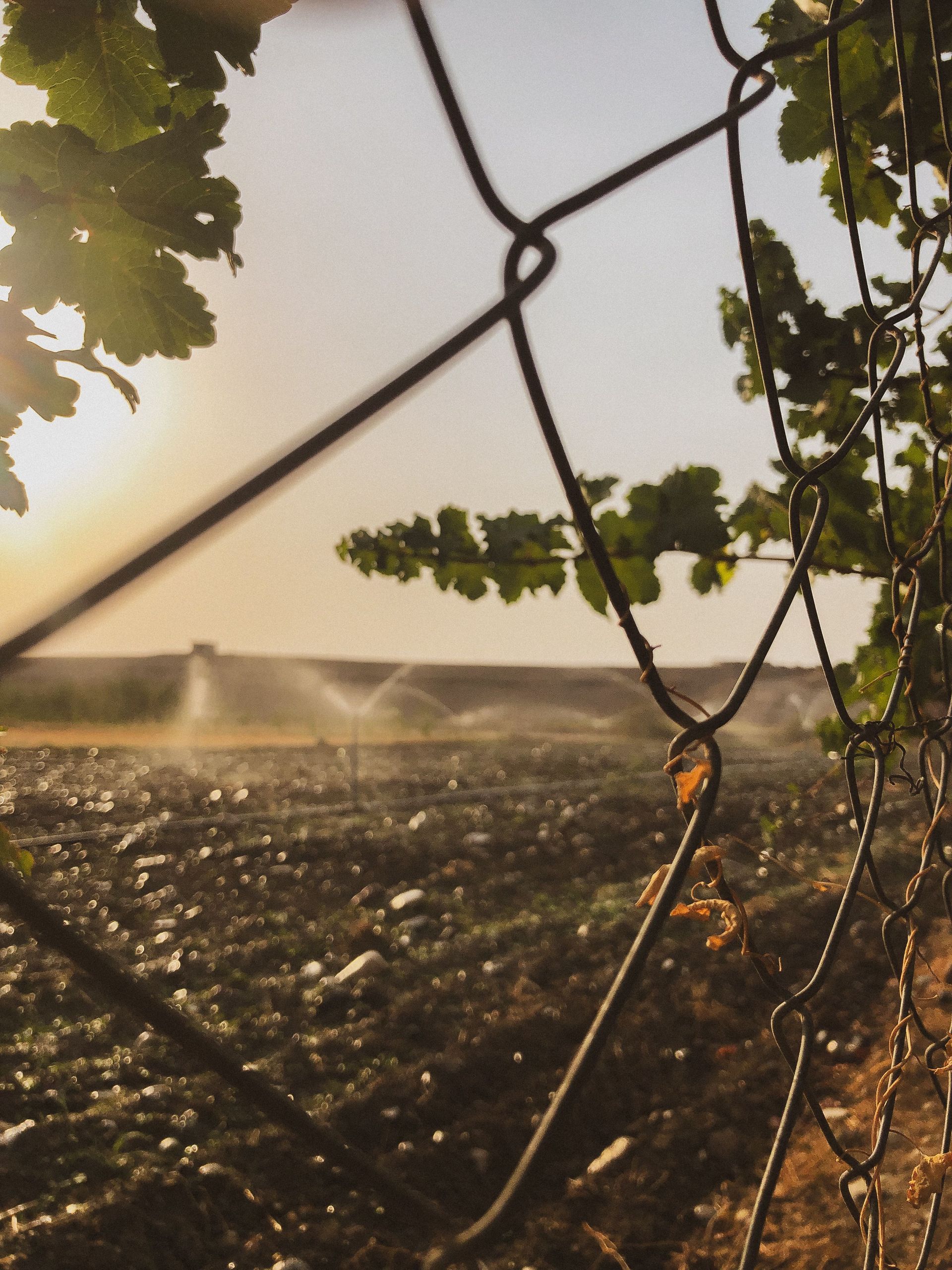
- Drip irrigation — California's evolving water regulations make drip irrigation both the most efficient and often the most legally compliant choice. Systems include mainlines, emitter lines, pressure regulators, filters, and injection ports for fertigation — and, critically for SoCal, integration with disease treatment protocols.
- Vine stock and planting — Varietal selection depends on your microclimate, target style, and soil composition. Installation includes planting, initial training stakes, and the early-season care that gives your vines the best start through the critical first two years.
- Permits and compliance — Vineyard permit requirements in Southern California vary by county, municipality, and water district. If your property falls under HOA governance, HOA rules for home vineyards in California add another layer of planning that MHV navigates as part of every project.
Once installation is complete, grapevines take 3 to 5 years to reach full production. That is not a cost — it is a timeline. But it means the management decisions made during those establishment years have an outsized influence on your vineyard's long-term productivity and fruit quality. Cutting corners on management to save money in years one through three typically costs far more to correct later.
Phase 2 — Ongoing Management: The Annual Investment That Protects Your Vines
Vineyard management is where many homeowners underestimate the commitment. Grapevines require consistent, expert attention through every season. Southern California's climate creates both distinct advantages — warm days, cool nights in the inland valleys — and specific challenges that make professional management especially important.
A professional vineyard management program in Southern California covers the full growing calendar:
- Dormant pruning — Done each winter to set crop load and shape vine structure for the coming season. The cuts made in January directly determine harvest quality in September.
- Green work and canopy management — Shoot positioning, leaf removal, and cluster thinning through spring and summer maximize air circulation, reduce disease pressure, and concentrate flavor development in the fruit.
- Irrigation scheduling — Timing water delivery to the vine's growth stage and actual soil moisture (not a fixed calendar) is a learned skill. In inland SoCal valleys, mistimed irrigation during fruit set can cost an entire vintage.
- Integrated pest and disease management — Southern California presents two consistent disease threats that require a licensed professional to address properly: Powdery Mildew and Pierce's Disease. MHV management contracts include a proactive pesticide management program — and, critically, MHV holds the license and training to legally treat Pierce's Disease, a capability that general landscaping companies cannot offer.
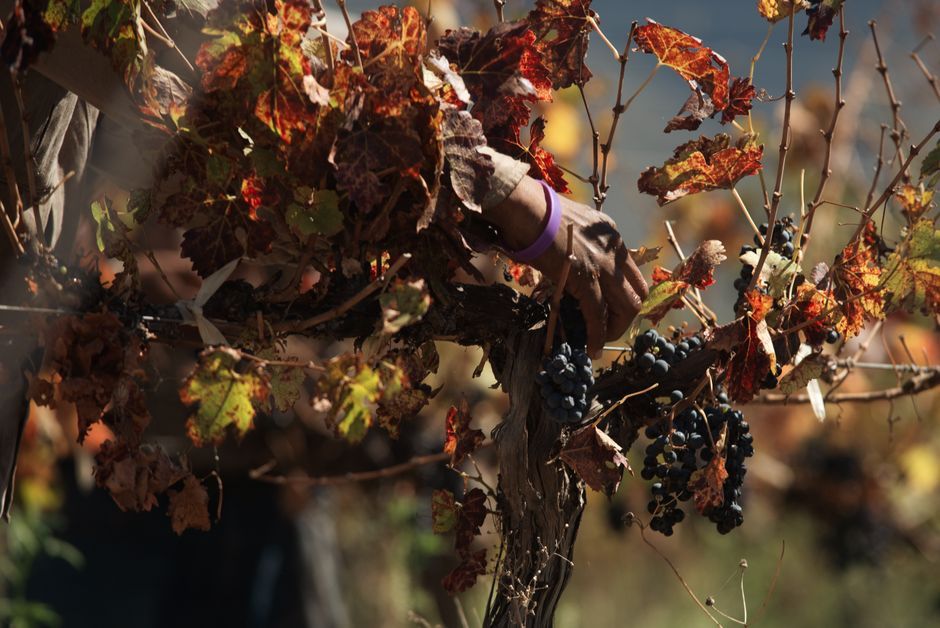
- Harvest coordination — Timing your harvest for optimal sugar, acid, and flavor balance, then coordinating the pick and transport to the winery, requires experience and a direct connection to the winemaking team. When the same company manages your vineyard and makes your wine, that coordination is seamless.
Management costs vary based on acreage, vine density, disease pressure, and travel distance. MHV serves clients across San Bernardino, Riverside, and Orange County — some vineyards are nearby; others are 60 miles from Rancho Cucamonga. That operational reality affects pricing, which is why management is scoped through a vineyard consultation rather than a published rate card. What professional management buys you is not simply labor — it is the judgment to protect an asset that took years and real money to build.
Phase 3 — Private Winemaking: From Your Grapes to Your Labeled Bottle
For most MHV clients, the whole point of owning a vineyard is the wine. This is where the Southern California home vineyard market is genuinely different from anything else available. MHV operates as what is believed to be California's only private-label winery conducting nano-batch custom winemaking for individual residential vineyard owners — processing small, single-estate lots that commercial wineries will not touch.
A private winemaking engagement covers the complete journey from harvest to finished bottle:
- Crush, fermentation, and pressing
- Barrel or tank aging, including ultrasonication for accelerated maturation where appropriate for your wine style goals
- Blending and finishing decisions made in collaboration with you
- Bottling and private labeling in a licensed Type 02 winery facility in Historic Rancho Cucamonga
MHV's winery is equipped with over $100,000 in specialized equipment and can handle 5,000+ bottles of custom wine annually — but regularly processes the small, single-estate batches that make a home vineyard meaningful for individual owners. One client's 2021 Claremont Pinot Noir, produced from an inland SoCal estate vineyard, won Best in Class at the San Diego State Fair. That kind of result does not come from a big commercial operation cutting corners on small lots. It comes from a winemaker who treats your half-acre vineyard with the same attention given to any other estate.
Winemaking costs are calculated per batch, based on grape volume, varietal, and the level of service involved. Like management, winemaking is scoped individually rather than quoted as a flat fee. If you are curious whether selling wine from your Southern California property is a goal worth planning toward, that is a separate legal conversation worth having early in the process.
Southern California Cost Factors You Won't Find in National Guides
Most vineyard cost content online assumes commercial acreage in Sonoma, Napa, or the Central Valley. Southern California residential vineyards operate in a different context entirely — one that shapes cost in ways the national data does not capture.
Microclimate complexity. San Bernardino, Riverside, and Orange Counties contain microclimates ranging from high-elevation inland desert (hot days, cool nights — excellent for Cabernet and Zinfandel) to coastal maritime zones where lower diurnal temperature swings and higher humidity create elevated Powdery Mildew pressure. Vineyards in coastal or tropical-climate zones require more frequent spraying programs at higher cost. Getting this right requires someone who has managed vines across your specific geography — not a general viticulture textbook.
Pierce's Disease exposure. Unlike most of California's premier wine regions, Southern California carries endemic Pierce's Disease pressure from glassy-winged sharpshooter vectors. The disease is fatal to grapevines within two to five years of infection and historically had no treatment. MHV is licensed and trained to administer XylPhi-PD bacteriophage treatment via the Xyleject injection system — the first approved therapeutic for established vineyards. This capability matters because it changes the risk calculus of vineyard ownership in SoCal: with licensed Pierce's Disease management, a home vineyard in the inland valleys is a viable long-term asset rather than a high-risk gamble. Our detailed guide covers Pierce's Disease treatment for Southern California vineyards.
Water cost and regulatory compliance. Southern California water rates and California's AB 1572 and SGMA groundwater frameworks create a regulatory backdrop that requires thoughtful irrigation planning before installation. The good news: a properly designed drip-irrigated vineyard uses a fraction of the water a lawn of equivalent size consumes. But the permit, design, and compliance requirements vary by water district and must be understood before installation begins.
Travel and service-area logistics. MHV serves clients across a wide geographic area, some properties requiring significant travel time from the Rancho Cucamonga base. Properties at greater distance carry higher management costs reflecting that reality. This is honest and upfront, and it is part of every management conversation at the consultation stage.
The Long View: Why Southern California Home Vineyards Hold Their Value
A home vineyard is not a landscaping expense — it is a productive improvement to real estate with a 30-year service horizon. MHV's installations are engineered with that timeline in mind. Grapevines, once established, grow more valuable with age: root systems mature, vine canopies stabilize, and the fruit increasingly reflects your estate's unique microclimate — what winemakers call terroir.
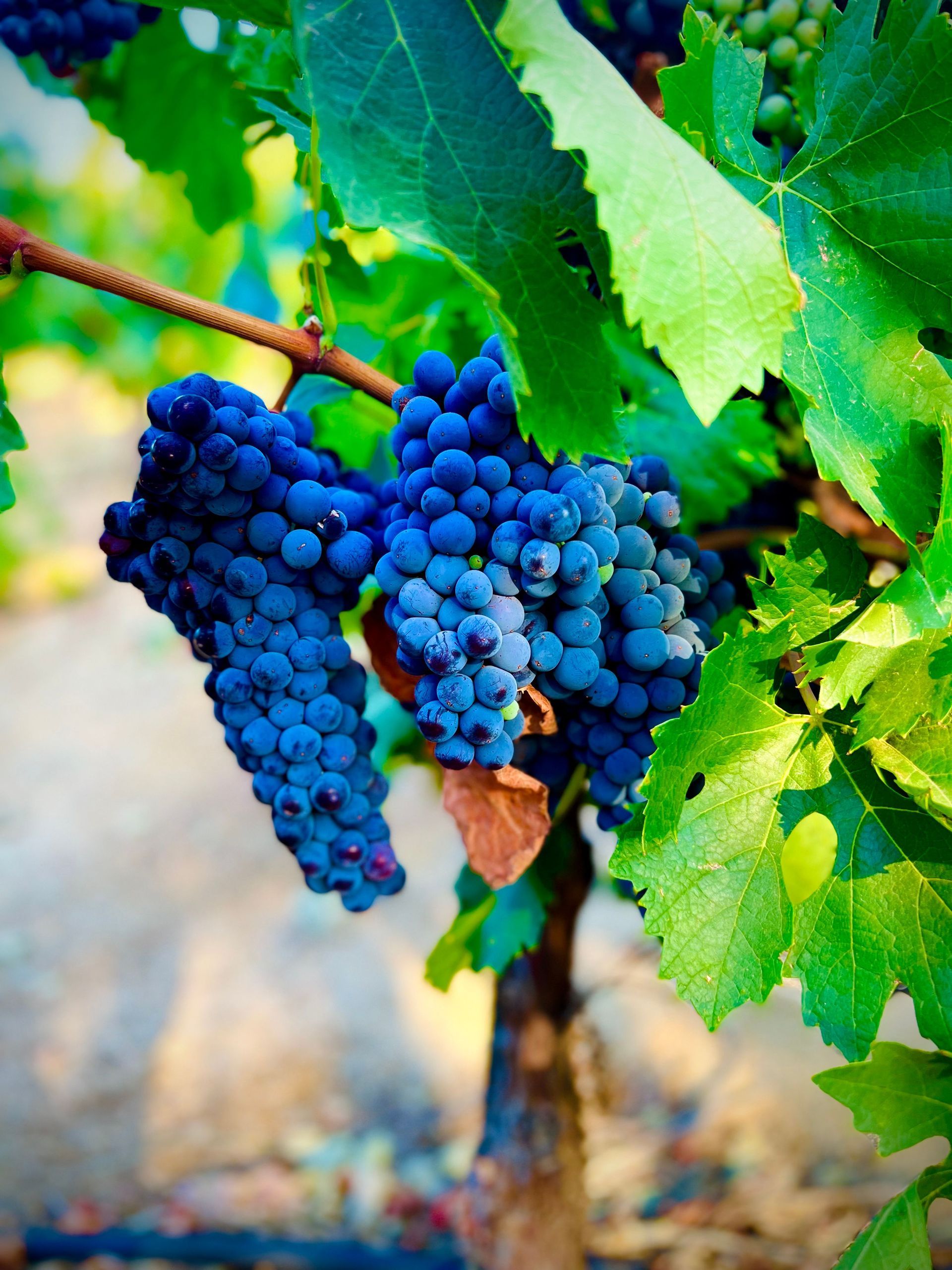
A well-managed quarter-acre estate vineyard in the inland valleys can produce 300–600 pounds of quality fruit per harvest. That volume supports 20–40 custom-labeled cases of estate wine per vintage. Those cases represent something that money cannot easily replicate elsewhere: wine made from your land, your vines, your vintage — with your name on the label.
UC Extension cost studies note that established California vineyard land commands a measurable premium over raw agricultural land, recognizing establishment costs as productive value rather than sunk costs. For Southern California properties where hillside terrain is otherwise difficult to develop or landscape effectively, a vineyard converts challenging topography into a visually distinctive and productive asset. The founder of MyHomeVineyard, Clayton, puts it plainly: when someone hires MHV, they are not just getting a vineyard — they are getting a piece of productive art. That is a 20-year mission, begun when Clayton's father started the business and continued when Clayton took it over at 21 and spent the years since building SoCal's only full-service home vineyard company.
FAQ: Home Vineyard Cost Questions, Answered Directly
How much does it cost to plant a vineyard on a quarter-acre in Southern California?
There is no single answer, because site conditions vary dramatically across SoCal. University of California Cooperative Extension establishment cost studies report $24,000–$35,000 per acre for commercial plantings in California wine regions, with premium regions running higher. Residential-scale installations in Southern California reflect different terrain complexity, labor markets, and permitting requirements. A property assessment through a vineyard consultation is the only accurate way to scope your specific project.
Do I need a license to manage my own vineyard in California?
For routine cultural tasks on your own property — pruning, irrigating, harvesting — no license is required. However, applying Restricted Use Pesticides, including treatment for Pierce's Disease and some Powdery Mildew programs, requires a licensed Pest Control Adviser (PCA) and in some cases a licensed Pest Control Operator. This is one of the core reasons homeowners work with a professional management company: access to licenses and legal treatments most individual property owners cannot economically obtain on their own.
How long before my vineyard produces wine-quality grapes?
Grapevines typically take 3 to 5 years from planting to reach full production. A partial first harvest can occur as early as year 2 or 3. MHV clients who engage all three phases of the trifecta — installation, management, and winemaking — typically have their first finished bottles in years 3 to 4. Year 5 and beyond is when the fruit quality really begins to reflect the character of the estate.
Can I install a home vineyard if my neighborhood has an HOA?
Many HOAs do not explicitly prohibit vineyard installations, but Covenants, Conditions & Restrictions (CC&Rs) can address landscaping, structures, and water use in ways that affect your plans. Review our complete guide on HOA rules and home vineyards in California before committing to a project timeline — and before requesting the property assessment that kicks off your installation planning.
What is ultrasonication and does it affect wine quality?
Ultrasonication uses controlled acoustic energy to accelerate the molecular changes normally achieved through months of barrel aging. Applied correctly by an experienced winemaker, it produces wines that are structurally ready to drink sooner without sacrificing varietal character. MHV offers it as an option — not a default — for clients who want estate wine from their first productive harvest without a multi-year wait. It is a professional tool, not a shortcut, and the results speak for themselves in wines like the 2021 Claremont Pinot Noir that won Best in Class at the San Diego State Fair.
Recent Posts