Home Vineyard Harvest Timing in Southern California: How to Read Brix, pH, and TA Before You Pick
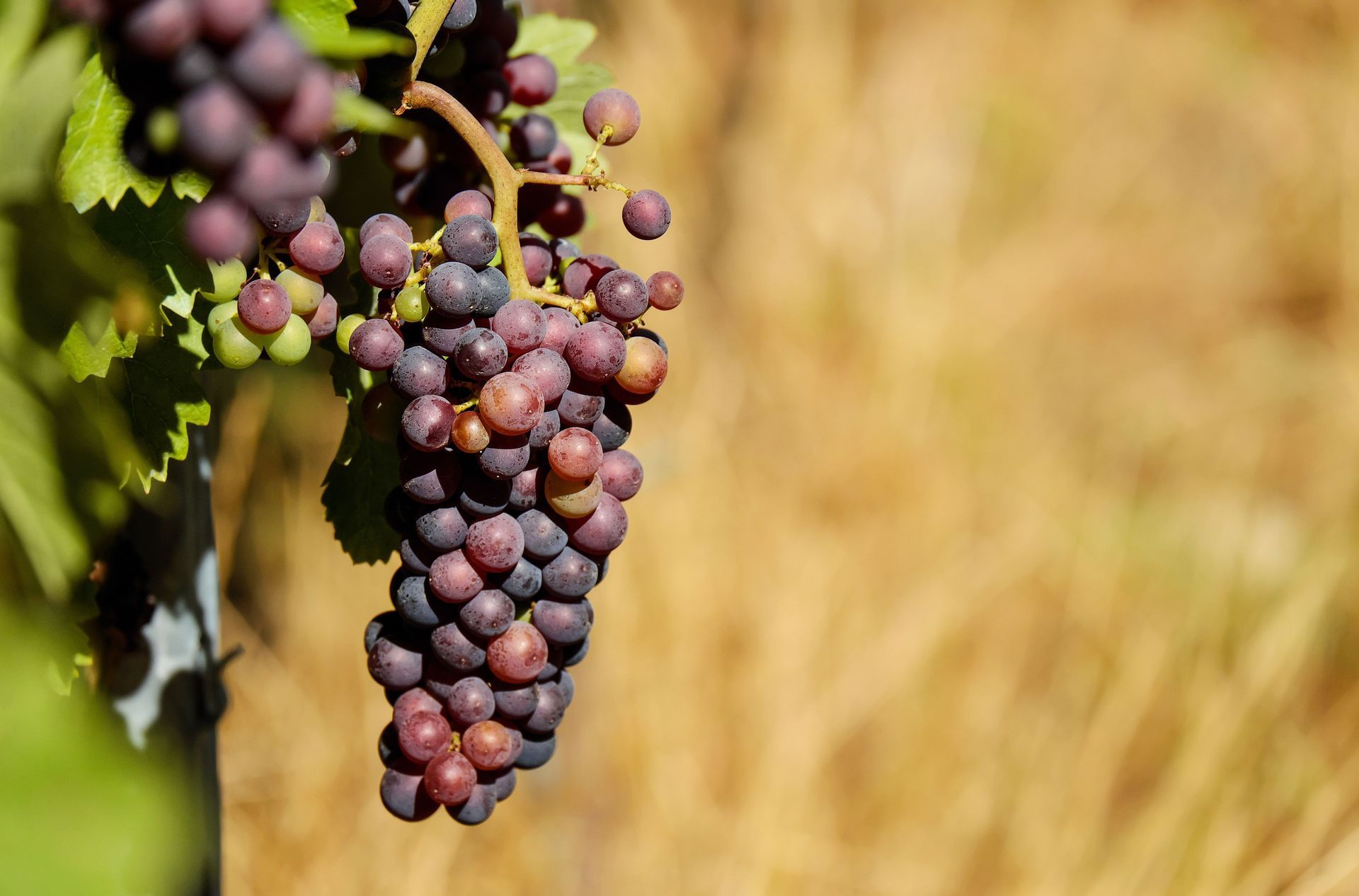
You have watched your vines through bud break, canopy management, cluster thinning, and veraison. Now comes the question every SoCal home vineyard owner faces in August and September: are these grapes actually ready to pick?
The answer is never a single number. In Southern California's inland heat zones — San Bernardino, Riverside, and Orange County — sugars can spike in a single heat event faster than flavor compounds can develop. Picking too early leaves you with underripe, sharp wine; picking too late produces overripe, high-alcohol juice that is difficult to correct in the cellar. The decision requires three chemical measurements, two sensory checks, and an awareness of the heat-spike risk unique to inland California.
This guide covers exactly how to take those measurements, what the target numbers look like for common SoCal varieties, and when it makes sense to have a professional manage the harvest timing decision alongside you.
Why Harvest Timing Is Different in Southern California's Inland Heat
Most vineyard harvest guides are written for Napa, Sonoma, or the California coast — regions where moderate temperatures and marine influence give growers a harvest window of two to three weeks between "ready" and "overripe." Inland Southern California does not work that way.
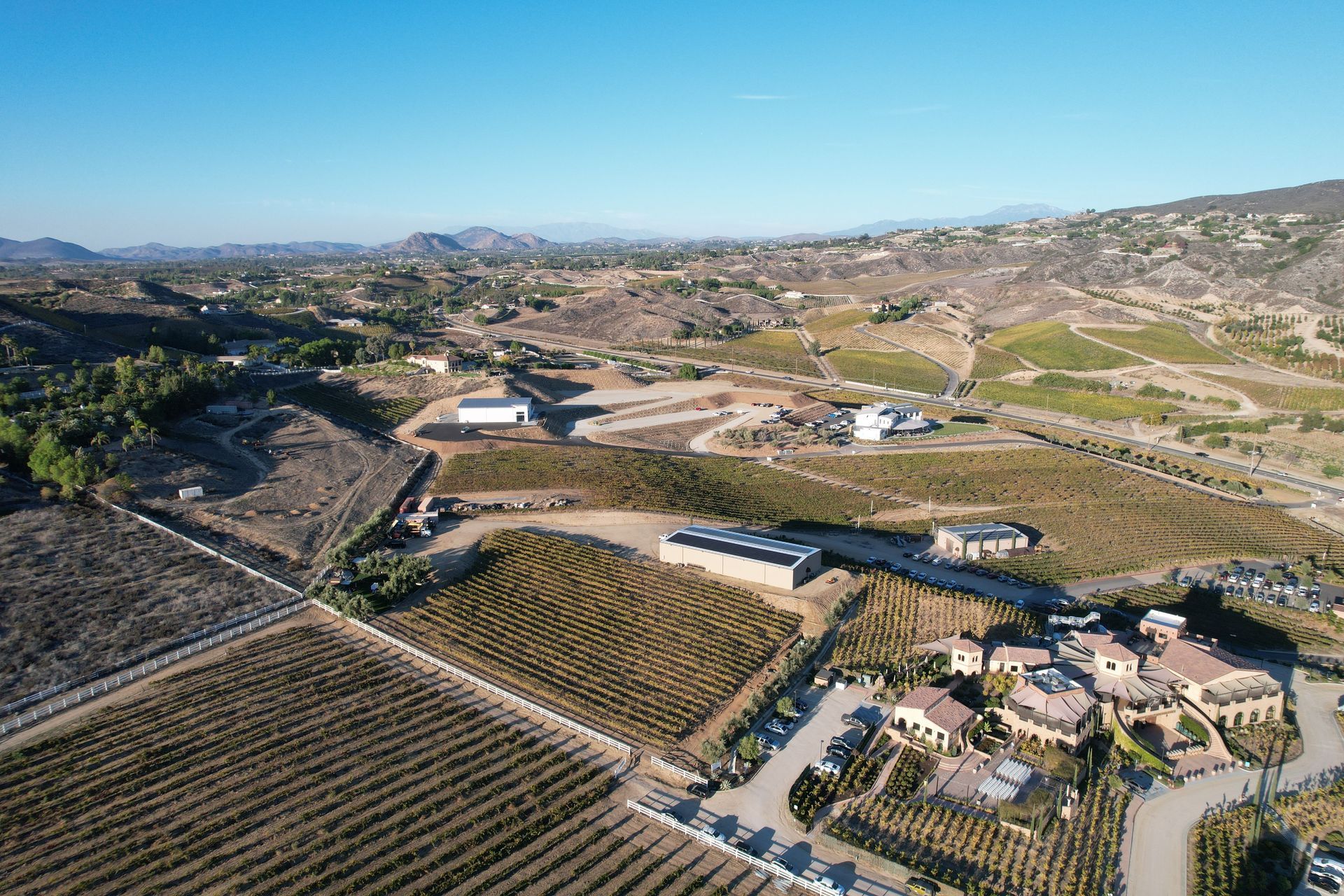
According to the California Agriculture Authority, the veraison-to-harvest window in California's inland regions typically runs from August through October, with monitoring of Brix, pH, and titratable acidity at regular intervals — not a single evaluation at a predetermined date. In Rancho Cucamonga, Claremont, Temecula, and the broader Inland Empire, a late-summer heat event can push a vine from 20°Brix to 24°Brix in under a week. That same event accelerates acid loss. By the time the numbers look textbook-ready, the sensory window may already be closing.
This is why harvest timing in SoCal is not a calendar event — it is an active monitoring process. Understanding your veraison signals is where that process begins. Once your fruit enters final ripening after veraison, you want to be testing every three to five days.
The Three Numbers That Determine Harvest Readiness: Brix, TA, and pH
Professional winemakers do not pick on a calendar. They pick on chemistry. Three measurements together tell the full story of grape maturity — and each one alone is insufficient.
Brix is the percentage of fermentable sugars in grape juice by weight. A juice reading 22°Brix is 22% fermentable sugar. The practical formula: multiply Brix by 0.55 to get the approximate potential alcohol percentage of your finished wine when fermented dry. According to WineMaker Magazine, white grapes are generally harvested between 20–24°Brix (yielding 11–13.3% ABV), while red grapes are typically picked at 22–26°Brix (12.1–14.3% ABV). Brix is always the starting point for field evaluation — but it is never the only point.
Titratable acidity (TA) measures the total acid concentration in your juice, expressed as a percentage. Acids provide crispness, freshness, and protection against spoilage during fermentation. As Brix rises through the season, TA falls — and in SoCal heat, that tradeoff accelerates. Per WineMaker Magazine's ripeness guide, target TA is 0.60–0.80% for reds and 0.65–0.85% for whites. Drop below those ranges and you risk a flat, flabby wine that is also more vulnerable to bacterial contamination during fermentation.
pH measures the relative strength of those acids — not the quantity, but the activity. A low-pH wine tastes crisp and fresh; a high-pH wine tastes flat, loses color stability in reds, and is more susceptible to spoilage organisms. Target ranges are pH 3.2–3.6 for reds and pH 3.0–3.3 for whites. UC Davis researchers have determined that a Brix-to-TA ratio of 30:1 to 35:1 produces the most balanced wines. Chasing Brix alone while ignoring TA and pH is how home winemakers end up with technically "ripe" grapes that produce unbalanced, hard-to-correct wine.
How to Sample and Measure Brix in Your Home Vineyard
A single berry from the sunniest end of your best-looking cluster is not your vineyard. Accurate Brix sampling requires representing the full variability of your block — different rows, different vine positions, different exposure levels — because microclimate variation within even a small home vineyard is real and meaningful.
The correct field protocol, per WineMaker Magazine: randomly pick 50–100 berries from throughout your vineyard — multiple vines, multiple rows, from inner and outer cluster positions, and from different vine heights. Crush them together in a zip-lock bag. Squeeze a drop of the combined juice onto your refractometer prism and read the °Brix. The crush-and-mix approach averages out microclimate variation instead of capturing one lucky or unlucky spot.
A refractometer is the correct pre-fermentation tool — portable, fast, and field-usable. Once fermentation begins and alcohol is present, switch to a hydrometer. Alcohol skews refractometer readings in an unpredictable way; the hydrometer's Brix scale accounts for the change in liquid density that alcohol introduces. Keep a log — readings every three to five days through August and September give you a trend line rather than a single snapshot. A Brix curve climbing steadily with TA holding in range tells you to watch and wait. A Brix spike of two to three points in three days combined with TA dropping below 0.6% in a red variety is a signal to act fast.
Variety-by-Variety Harvest Windows for SoCal Home Vineyards
Variety matters as much as chemistry. The Orange County Wine Society identifies California's early-ripening whites — Sauvignon Blanc, Chardonnay, Muscat, and Pinot Noir — as varieties that may reach harvest readiness by late August in warm inland zones. Late-ripening reds — Cabernet Sauvignon, Cabernet Franc, Zinfandel, and Syrah — typically run into October.
UC Cooperative Extension research on inland California conditions confirms that Sauvignon Blanc's target ripeness runs 21.5–22.5°Brix, with harvest typically falling late August through mid-September — extending to early October in cooler years or with heavier crop loads. Approximate windows for common SoCal home vineyard varieties:
- Muscat / Muscat Blanc — Mid-August to early September | Target: 22–24°Brix
- Sauvignon Blanc — Late August to mid-September | Target: 21.5–22.5°Brix
- Chardonnay — Late August to September | Target: 22–24°Brix
- Grenache / Garnacha — September | Target: 23–25°Brix
- Tempranillo — September to early October | Target: 23–25°Brix
- Zinfandel — Late September to October | Target: 24–26°Brix
- Cabernet Sauvignon — September to October | Target: 23–26°Brix
- Syrah — September to October | Target: 23–26°Brix
These are ranges, not rules. A Rancho Cucamonga Zinfandel and a Temecula Zinfandel from the same vintage may hit harvest readiness a week or two apart due to differences in elevation, soil, and vine exposure. This is precisely why our vineyard management program designs a custom harvest monitoring schedule for each property rather than following a regional calendar. The variety choice you make at planting directly determines your harvest window and its complexity each season.
If you are managing multiple varieties, plan for staggered picks. Whites typically come first; reds follow. Attempting to harvest an entire mixed-variety yard in a single pass is a compromise that costs you wine quality in almost every block.
Visual and Sensory Checks That Confirm What the Numbers Say
Chemistry tells you the numbers. Taste and observation tell you whether those numbers actually mean what you think. The two should agree before any harvest decision is made.
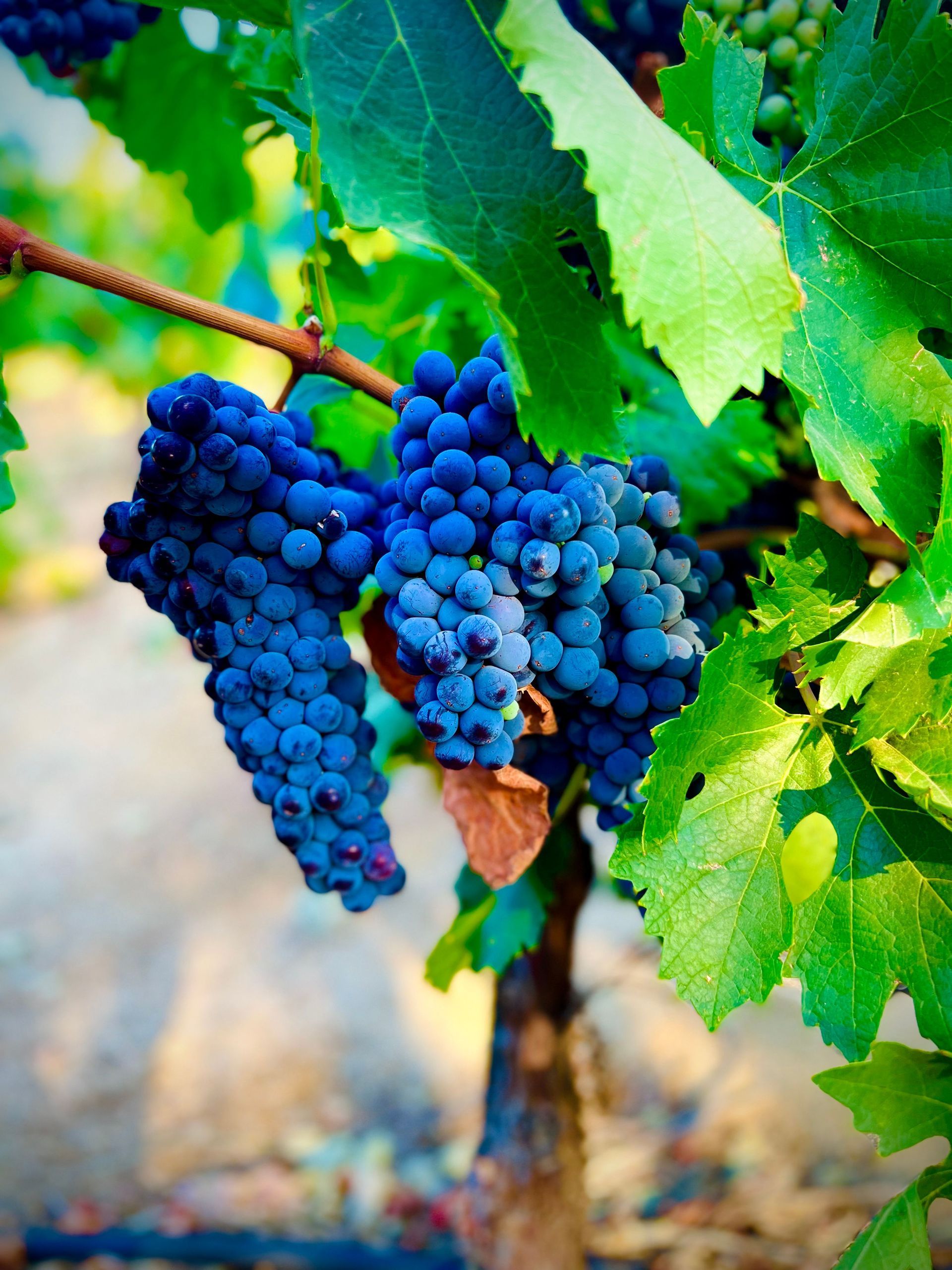
Seeds: Crack a berry and examine the seeds. Brown seeds indicate phenolic maturity; green seeds are unripe and will impart bitterness in the finished wine, per the Orange County Wine Society. In SoCal heat, seeds can turn brown before flavor compound development has caught up — reinforcing why sensory evaluation must work alongside chemistry, not be replaced by it.
Berry flavor: Sample grapes from different vine positions and multiple rows. You are looking for ripe fruit character with balanced sweetness — not herbaceous or sharp flavors that indicate underripeness in red varieties. Harsh, astringent tannins in reds signal phenolic immaturity even when Brix looks correct. The juice should taste like the wine you want to make.
Skin texture and stem color: Ripe berry skins slip from the flesh relatively easily. The stem (rachis) begins lignifying as harvest approaches — transitioning from green and flexible toward brown and woody. Fully green, pliable stems indicate the cluster has more ripening ahead. Look also at cluster uniformity across your vineyard; outlier clusters that lag behind the main block may reflect earlier crop load decisions or microclimate variation worth addressing with a separate pick or a targeted drop.
The SoCal Heat-Spike Problem: When Brix Climbs Faster Than Flavor
This is the inland Southern California-specific hazard that catches home vineyard owners in their early harvest seasons. A late-summer heat event — common in August and September across San Bernardino and Riverside Counties — can push Brix from 20 to 24 in less than a week. The refractometer says "ripe." The calendar says "harvest time." But the grapes have not had sufficient time at this ripening stage for flavor phenolics to develop alongside the sugar.
The instinct is to pick immediately when Brix clears the target range. The correct response is to taste the fruit and check TA simultaneously. If TA is still holding — say, 0.65% or higher in a red variety — and the berry is showing real flavor development, waiting two to three days after a heat event for temperatures to moderate often allows sensory maturity to catch up with sugar. The risk of waiting too long is real: a follow-on heat spike can tip balanced 24°Brix fruit into 27–28°Brix must with pH above 3.8, producing a difficult fermentation and a flat, hot-tasting wine.
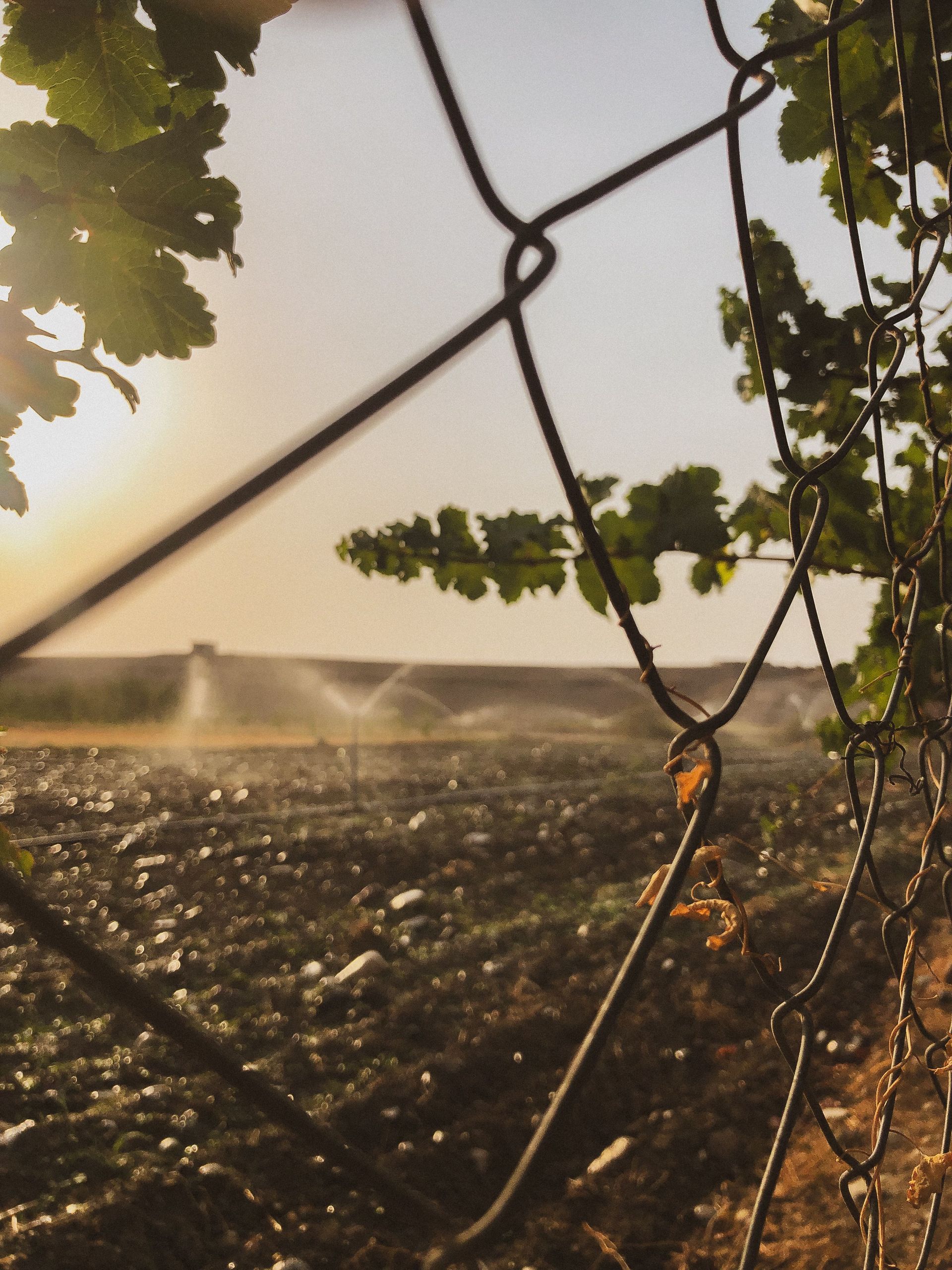
Pre-harvest irrigation management — specifically regulated deficit irrigation in the weeks before harvest — is one tool that can moderate the Brix accumulation rate and extend your decision window in SoCal heat. That kind of pre-harvest preparation is part of what MHV's vineyard management program coordinates through the late summer weeks.
When to Have a Professional Help With Your Harvest Decision
Two or three seasons of harvest monitoring in the same block builds the experience to read your vineyard's patterns with confidence. But several situations make professional judgment worth having alongside yours:
- First harvest. No historical data exists from your specific block. A professional read calibrates your instincts against someone who has managed hundreds of SoCal harvests across multiple varieties and elevations.
- Multiple varieties with staggered windows. Pick decisions get complex fast when Chardonnay and Cabernet Sauvignon share the same yard. A coordinated harvest schedule optimizes both without requiring separate vineyard passes on the fly.
- Pierce's Disease pressure. As covered in our Pierce's Disease treatment guide, infected vines can show accelerated cluster breakdown in specific sections — something a trained eye identifies faster than a vineyard-wide Brix average.
- Weather forecast uncertainty. A projected heat event 10 days out changes your entire harvest calculus. Professionals build pick schedules around the forecast, not just current readings.
- Private winemaking integration. If your harvest is headed to MHV's winery, the pick window is coordinated with your winery schedule and wine style targets — coordination that begins weeks before the first cluster comes off the vine.
Harvest is the moment the season's work either pays off or does not. If you want professional eyes on your vineyard through the August–September ripening window, MyHomeVineyard.com's vineyard management program covers harvest monitoring as part of the full-season service. If you want your estate grapes turned into custom wine, our private winemaking service handles everything from crush through bottling — nano-batch, fully licensed Type 02 winery, the only service of its kind in Southern California. Schedule a vineyard consultation before your harvest window arrives.
Frequently Asked Questions: Harvest Timing for SoCal Home Vineyards
When do most Southern California home vineyards harvest?
Most SoCal inland home vineyards harvest between late August and early October. Early-ripening whites (Sauvignon Blanc, Muscat) typically come first, often late August. Late-ripening reds (Zinfandel, Cabernet Sauvignon) can run into October depending on the season's heat accumulation.
What Brix should I pick at?
The general targets per WineMaker Magazine: whites at 20–24°Brix, reds at 22–26°Brix. But pair that with TA (0.60–0.80% for reds, 0.65–0.85% for whites) and pH (3.2–3.6 for reds, 3.0–3.3 for whites). In SoCal heat, Brix can outpace phenolic maturity — always taste the fruit alongside your numbers.
Can I make wine from my own vineyard grapes?
Yes. MyHomeVineyard.com operates a licensed Type 02 winery and produces nano-batch custom wine from your estate fruit. You can also explore the legal framework for using and potentially selling wine
made from your property.
What happens if I pick too late?
In SoCal's heat, late picking typically produces too-high Brix, low TA, and high pH — resulting in high-alcohol wine that tastes flat and is prone to fermentation problems. Winemaking corrections exist, but they are significantly harder than picking at the right window in the first place.
Is Brix enough by itself to make a harvest decision?
No. Brix measures sugar concentration only. UC Davis researchers have found that the Brix-to-TA ratio — targeting 30:1 to 35:1 — produces the most balanced wines. Testing all three metrics (Brix via refractometer, TA via test kit, pH via pH meter) is the complete pre-harvest protocol for producing quality wine from your estate grapes.
Recent Posts