Post-Harvest Vineyard Care in Southern California: The Checklist Before Dormant Pruning
Why the Weeks Right After Harvest Decide Next Year's Crop
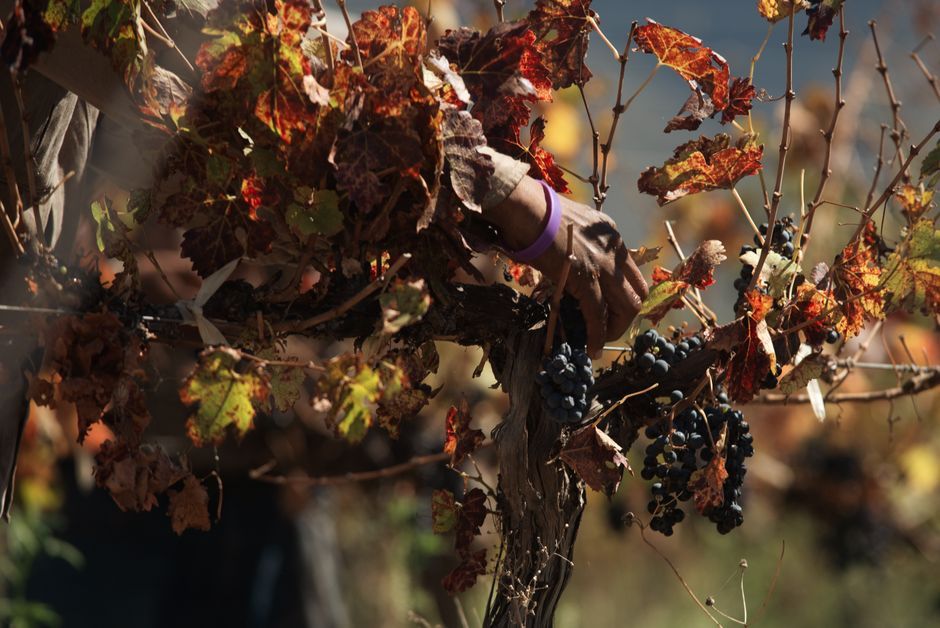
Most Southern California home vineyard owners treat the day the last cluster comes off the vine as the finish line. It isn't. The six to eight weeks between harvest and leaf fall are when a grapevine rebuilds the carbohydrate and mineral reserves it will run on from bud break all the way through flowering next spring before a single new leaf has opened to make its own food. Texas A&M AgriLife Extension's viticulture program calls this window "so important to lay the foundation for grape quality and yield success next season," specifically for restoring the carbohydrate and nutrient reserves stored in the roots, trunk, and arms.
Skip this stretch, and the shortfall doesn't show up until months later as weak bud break, uneven fruit set, or a smaller crop you can't trace back to a clear cause. If you were tracking Brix, pH, and TA to time your harvest a few weeks ago, this is the section of the calendar that comes right after and it's the part of vineyard management that gets missed most often by owners managing their own vines. Everyone remembers to water and spray during the growing season; almost no one has a post-harvest plan.
Water First: The Deep Irrigation Your Vines Need Right After Pick
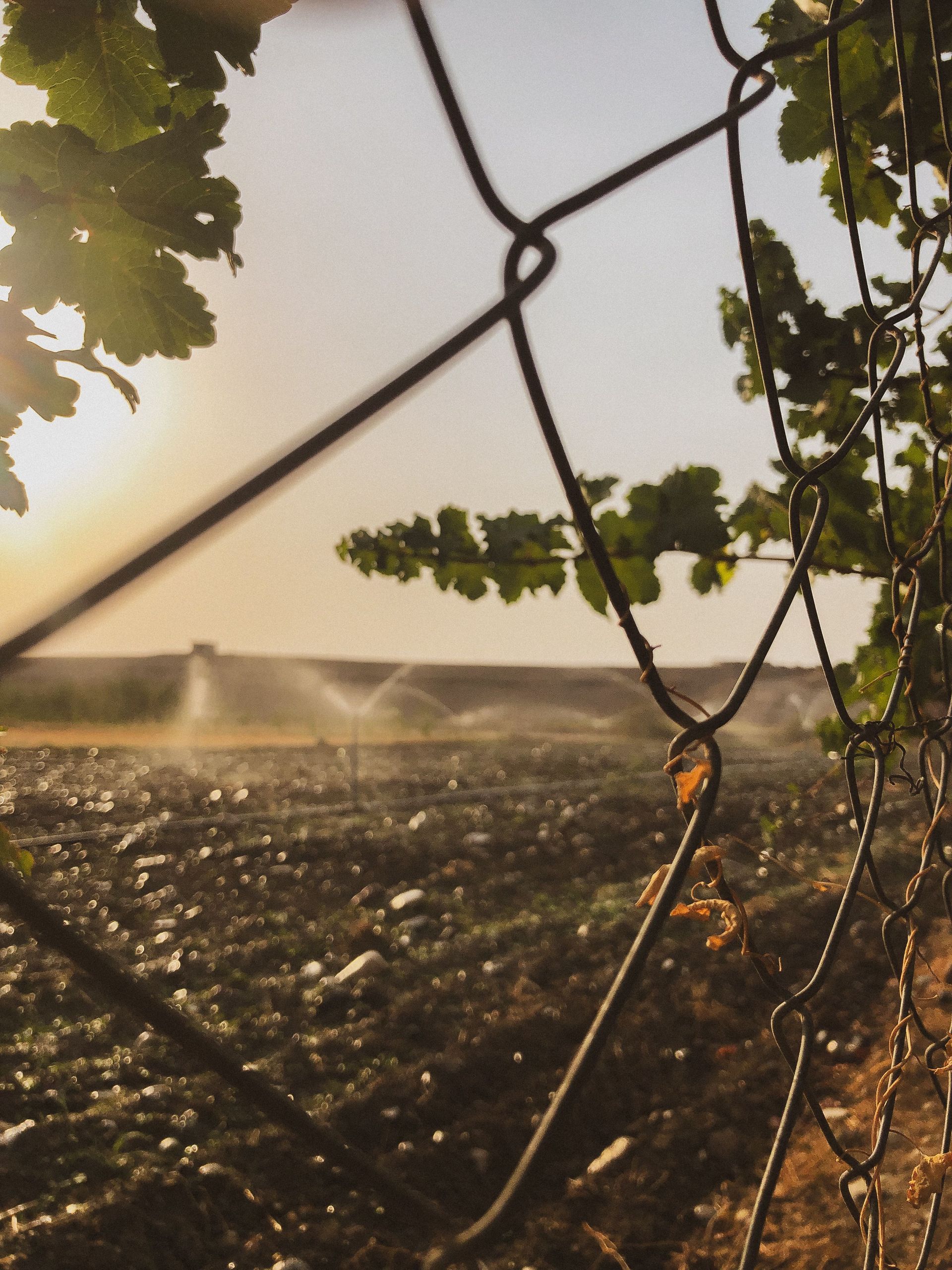
A grapevine goes through a second, rapid flush of root growth immediately after harvest and that root growth is exactly what rebuilds the reserves described above. According to Dr. Larry Williams of UC Davis, cited by SJV Trees and Vines' vineyard management guidance, at least 10% of a vine's total seasonal irrigation amount should be applied after harvest to support that root flush. Cutting off water the moment the fruit is picked a common mistake once the pressure of ripening is off starves that recovery period before it starts.
Practical home-vineyard guidance from WineMaker magazine puts a number on it for smaller plantings: a deep soak of roughly 10–20 gallons per vine immediately after harvest, tapering from there as temperatures drop through fall. If you're already following a drip irrigation schedule through the summer, post-harvest isn't the time to shut the system off it's the time to shift it, not stop it.
Feeding the Vine: Why September Is the Nitrogen Window
Nitrogen timing is where we see the most home vineyards go wrong in both directions — either skipping post-harvest feeding entirely, or applying it too late and too heavy. UC Cooperative Extension's nitrogen fertilization guidance for the San Joaquin Valley is explicit that nitrogen should go on "during the growing season, preferably after budbreak through fruit set, or postharvest (September)" meaning right now, for most Southern California properties, is inside that window.
Texas A&M AgriLife's post-harvest management guidance adds the ceiling: keep it light, typically no more than about 10 lbs of nitrogen per acre, delivered through drip if you have it, and only while the leaf canopy is still green and functioning. Once leaves start to senesce, uptake drops off and most of what you apply is wasted or leached past the root zone instead of stored for spring.
There's a real trade-off to manage here, not just a green light. Research cited by Michigan State University Extension's post-harvest vineyard guidance(drawing on Bennett et al., 2005) found that vegetative growth and yield are directly tied to how well a vine recovers after harvest but nitrogen applied too late in fall can also delay cold acclimation and reduce a vine's hardiness going into winter. The takeaway for a Southern California home vineyard: feed while the canopy is still working, then stop don't chase a "more is better" instinct into November.
Mildew Cleanup Now Prevents Next Season's Outbreak
Mildew is one of the two problems we get asked about most from prospective clients, alongside Pierce's Disease and it's also one of the most preventable, if the work happens now instead of next spring. According to Wine Australia's grower guidance on managing powdery mildew, the disease effectively has a two-season life cycle: whatever mildew pressure is allowed to develop and go unmanaged by the end of one season becomes the "legacy" inoculum that seeds the next. In plain terms, how clean your vineyard is at leaf fall this year largely determines how hard next season's mildew fight will be.
That's especially relevant for the coastal and inland-valley Southern California properties we manage that sit in a higher Mildew Index range the humid, warmer microclimates where powdery mildew pressure builds fastest, and where a generic care calendar borrowed from a drier inland vineyard simply doesn't hold up. Industry guidance on late-season mildew control, such as Brandt's grower resources, notes that treatments applied through the end of harvest help keep bunches clean and directly reduce the overwintering inoculum carried into next year. Post-harvest is also the right time to walk the vineyard, remove any visibly infected leaf and cane material you can reach, and get ahead of exactly the kind of pest pressure we've written about before with Pierce's Disease management in SoCal vineyards.
What NOT to Do Yet: Why Pruning Waits for Full Dormancy
The single most common mistake we see from newer home vineyard owners this time of year is reaching for the loppers too early. Pruning while a vine is still pushing sap wastes stored reserves and opens wounds that don't close cleanly. WineMaker magazine's grower guidance is blunt about the timing: most California pruning happens between January and February, and the practical test is simple make a test cut on a dormant cane, and if the wound weeps watery fluid, the vine isn't ready yet.
UC ANR's Master Gardener guidance for Sacramento County vineyards gives a useful backstop for a wet or unpredictable winter: if rain pushes you past late February, early-to-mid March is still fine, as long as you get to it before emerging shoots reach about two inches long. Between now and then, the work is water, nutrition, and sanitation not the blade.
A Southern California Post-Harvest Checklist for Home Vineyard Owners
- Irrigate deeply, don't shut off. Plan on at least 10% of the season's total water post-harvest, delivered as a deep soak rather than light, frequent watering.
- Feed while leaves are still green. A light, single nitrogen application now not a heavy one, and not in November.
- Walk the vineyard for mildew and pest pressure. Remove what you can reach; don't let this season's problem become next season's legacy inoculum.
- Leave the pruning shears alone. Wait for full dormancy typically January into February for most Southern California sites.
- Watch soil moisture through the shoulder season. A dry fall after a heavy irrigation year can undo the recovery you just paid for.
Every one of these steps has to be adjusted for your specific vines, soil, and microclimate which is exactly why, after 13 years managing SoCal estate vineyards, we build a custom management plan for every property instead of running one generic seasonal calendar. If you managed your own harvest this year maybe your first year thinning clusters and reading ripeness yourself and want a second set of eyes before dormancy, our vineyard consultations cover exactly this transition.
Frequently Asked Questions
Do I need to fertilize every vine the same amount after harvest?
No. Nitrogen needs depend on your soil, vine vigor, and canopy condition a petiole or soil test is the reliable way to know, and it's part of what we check during a vineyard management engagement.
My leaves are already turning. Is it too late for post-harvest irrigation and feeding?
Once leaves have significantly senesced, nutrient uptake drops sharply, so a heavy nitrogen application is no longer worth the risk of leaching or delayed cold hardiness. Deep irrigation to support root growth is still worthwhile later into fall than fertilizing is.
I saw mildew late in the season — do I need to spray again this fall?
Sanitation (removing infected leaf and cane material you can reach) matters more than a fall spray program for most home vineyards. If pressure was heavy, it's worth a conversation about your spray program for next spring rather than reacting now.
When should I actually schedule my dormant pruning?
For most Southern California sites, that's January into February, adjusted for your specific site and that season's weather. We build every client's pruning window into their custom management calendar.
If this is the first fall you're managing a vineyard on your own — or the third, and it still feels like guesswork — MyHomeVineyard.com builds the irrigation, nutrition, and sanitation calendar around your specific property instead of a generic one. We handle everything from new vineyard installation through private winemaking in our licensed, bonded facility in Rancho Cucamonga, serving San Bernardino, Riverside, and Orange County properties. Book a vineyard consultation before dormancy sets in.
Recent Posts