Home Vineyard Cost in Southern California: What You'll Actually Pay in 2026
Every prospective client who calls MyHomeVineyard.com asks some version of the same question: what is this actually going to cost? It's a fair question, and it's harder to answer honestly than most vineyard installers let on, because a backyard vineyard in Rancho Cucamonga, Chino Hills, or Temecula isn't priced like a commercial planting in Napa — but it isn't a weekend project either. This guide breaks down where the real costs come from, what published cost-study data says about vineyard establishment, and why the build/management/winemaking trifecta model changes the math for Southern California homeowners.
What Actually Drives the Cost of a Home Vineyard
A home vineyard's price tag comes down to five line items: site preparation, the trellis system, the irrigation system, the vines themselves, and the labor to plant and train them. None of these are optional if you want a vineyard that survives its first three years and actually produces fruit worth making wine from. Skimping on any one of them is the single most common reason a backyard planting fails or underperforms.
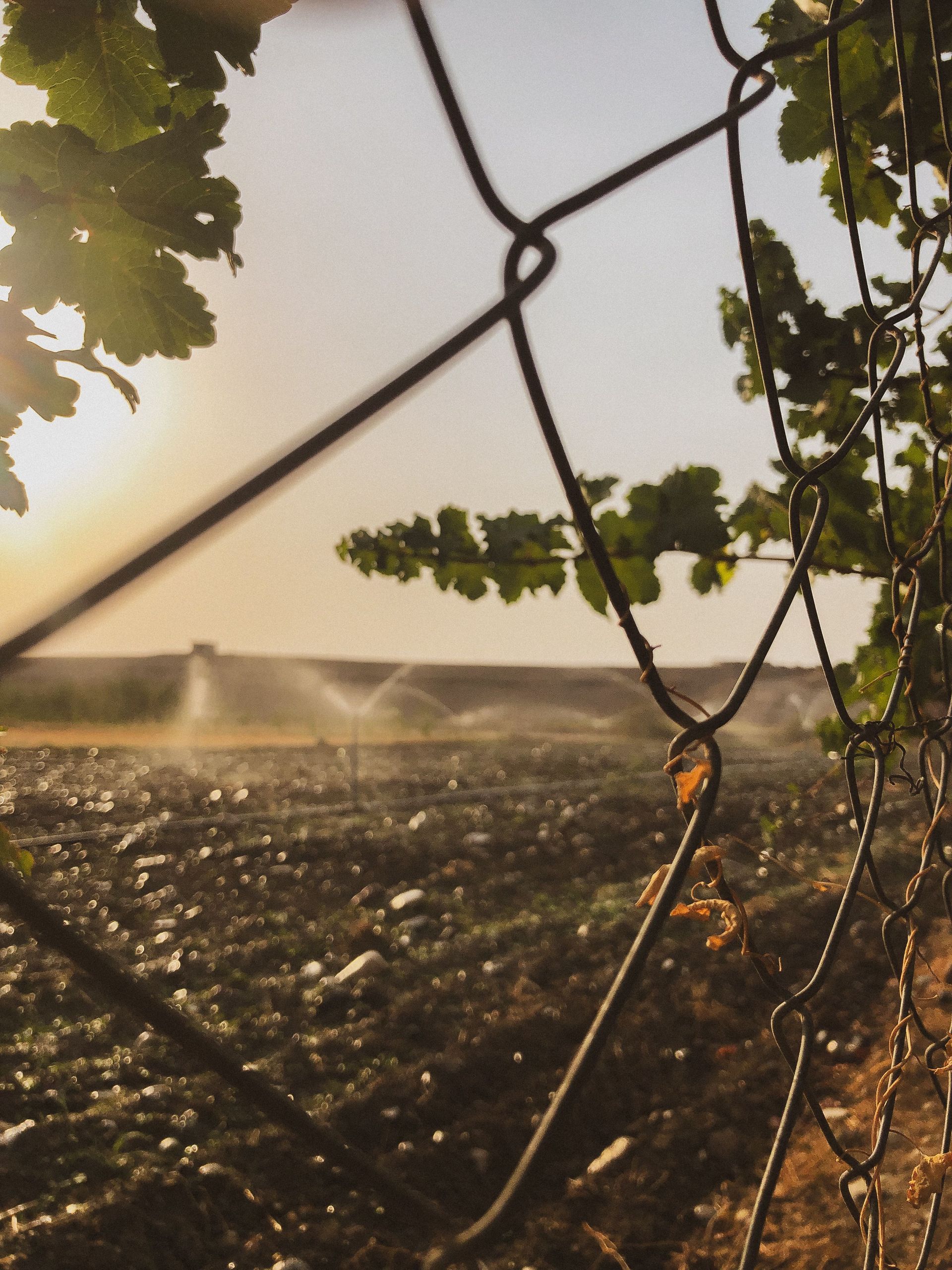
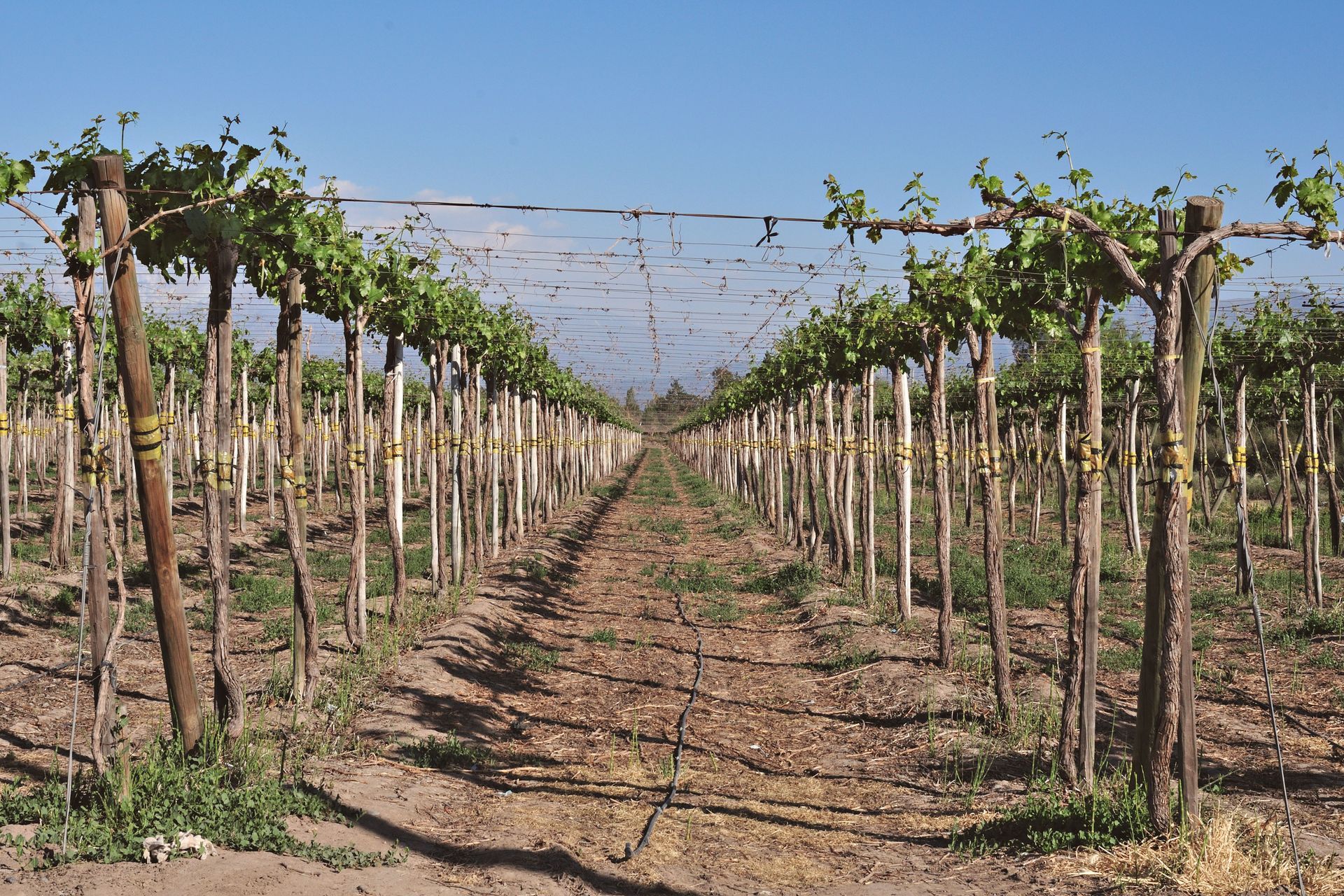
Site prep means testing and amending the soil, grading for drainage, and clearing whatever is currently occupying the space — lawn, old shrubs, or in some Inland Empire properties, compacted decomposed granite that needs to be rototilled before a vine root has any chance of establishing. The trellis is the permanent infrastructure — posts, wire, anchors — that holds the vine canopy up and determines how the vineyard is trained for the next 20-plus years. Irrigation is non-negotiable in Southern California's climate; a drip system with a pressurized filter and injection point isn't a luxury add-on, it's how the vineyard survives July and August.
What the Cost-Study Data Actually Shows
Most public cost data on vineyard establishment comes from commercial agricultural studies, and it's worth citing directly rather than guessing, because the numbers are more specific than most contractors quote. Cornell Cooperative Extension's viticulture program puts site preparation, vine planting, and trellis installation at more than $20,000 per acre — not including land — and notes that an 8x4 vine spacing requires over 1,300 vines per acre, which is why the materials bill (posts, wire, anchors, irrigation supply, grow tubes) adds up fast even before labor is counted.
University of California cost studies back this up at commercial scale. A 2021 UC Davis study of an 18-acre Livermore Valley Chardonnay vineyard put total establishment cost at $28,663 per acre — covering land preparation, trellis, drip irrigation, vines, and cash overhead through the vineyard's first harvest year. A separate UC Davis/UCCE study of a high-wire trellis vineyard in Lodi put establishment cost at $24,475 per acre, with trellis materials and drip system installation alone running roughly $8,199 of that per acre.
These are commercial-scale numbers on full acreage with commercial trellis crews and irrigation contractors — they are not a home vineyard quote. But they establish something useful: the per-acre economics of doing this correctly are real and well documented, and any home vineyard installer quoting a fraction of these figures for comparable trellis and irrigation infrastructure is likely cutting a corner somewhere.
Why a Backyard Vineyard Costs Less — But Not as Little as You'd Think
The good news for homeowners: almost nobody is planting a full acre in their backyard. Most MyHomeVineyard.com clients across San Bernardino, Riverside, and Orange County are working with a fraction of that footprint — a few hundred vines rather than 1,300 per acre — which brings the total investment down substantially from the commercial figures above. You're also not paying for bare agricultural land, since you already own the property.
But cost doesn't scale down linearly. A small planting still needs its own drip system with pressurization and filtration, its own trellis engineered for the site's soil and slope, and the same soil testing and amendment work a commercial vineyard requires — just at a smaller total quantity. WineMakerMag's guide to small-space viticulture notes that a single grapevine on a typical trellis needs roughly a 6-by-4-foot footprint, and that even a modest planting of a couple dozen vines still requires a properly engineered trellis system to support the crop load — there's no version of "the cheap way" that skips this and still produces a healthy vine three years out.
Trellis, Irrigation, and Site Prep: Where the Money Actually Goes
Of the three infrastructure costs, trellis and irrigation are where quality separates a vineyard that produces for 20-plus years from one that needs to be rebuilt in year five. A VSP (vertical shoot positioning) trellis — the system most Southern California estate vineyards use — costs more up front than a simple three-wire trellis, but it is dramatically easier to manage, canopy-manage, and harvest from for the life of the vineyard. Retrofitting an undersized trellis after vines are established is expensive and disruptive; getting it right the first time is not a place to negotiate down.
Irrigation is the other place cost and quality are tightly linked. A single-line drip system with a filter and injection point for fertigation is standard on every serious home vineyard installation MyHomeVineyard.com builds, because Southern California's dry summers make manual watering unreliable at any real scale. Site prep — soil amendment, grading, and dealing with whatever's already growing there — is the least glamorous line item and the easiest for a homeowner to underestimate, but it's the foundation everything else depends on.
Local rules add a layer most national cost guides skip entirely. Before any of this infrastructure goes in, it's worth checking whether your property needs a permit and whether your HOA has restrictions on what you can plant — both vary significantly across San Bernardino, Riverside, and Orange County jurisdictions. We've written full breakdowns of home vineyard permit requirements in Southern California and HOA rules that affect home vineyards if you want to check those boxes before you budget the rest.
The Trifecta Model: Why Bundling Build, Management, and Winemaking Changes the Math
Here's the piece most cost breakdowns miss entirely: installation is only the first of three costs a home vineyard owner will pay over its life. After the vines go in, someone has to manage the vineyard — pruning, canopy work, pest and disease monitoring, irrigation scheduling — for every year it produces. And once the fruit is ready, someone has to actually turn it into wine.
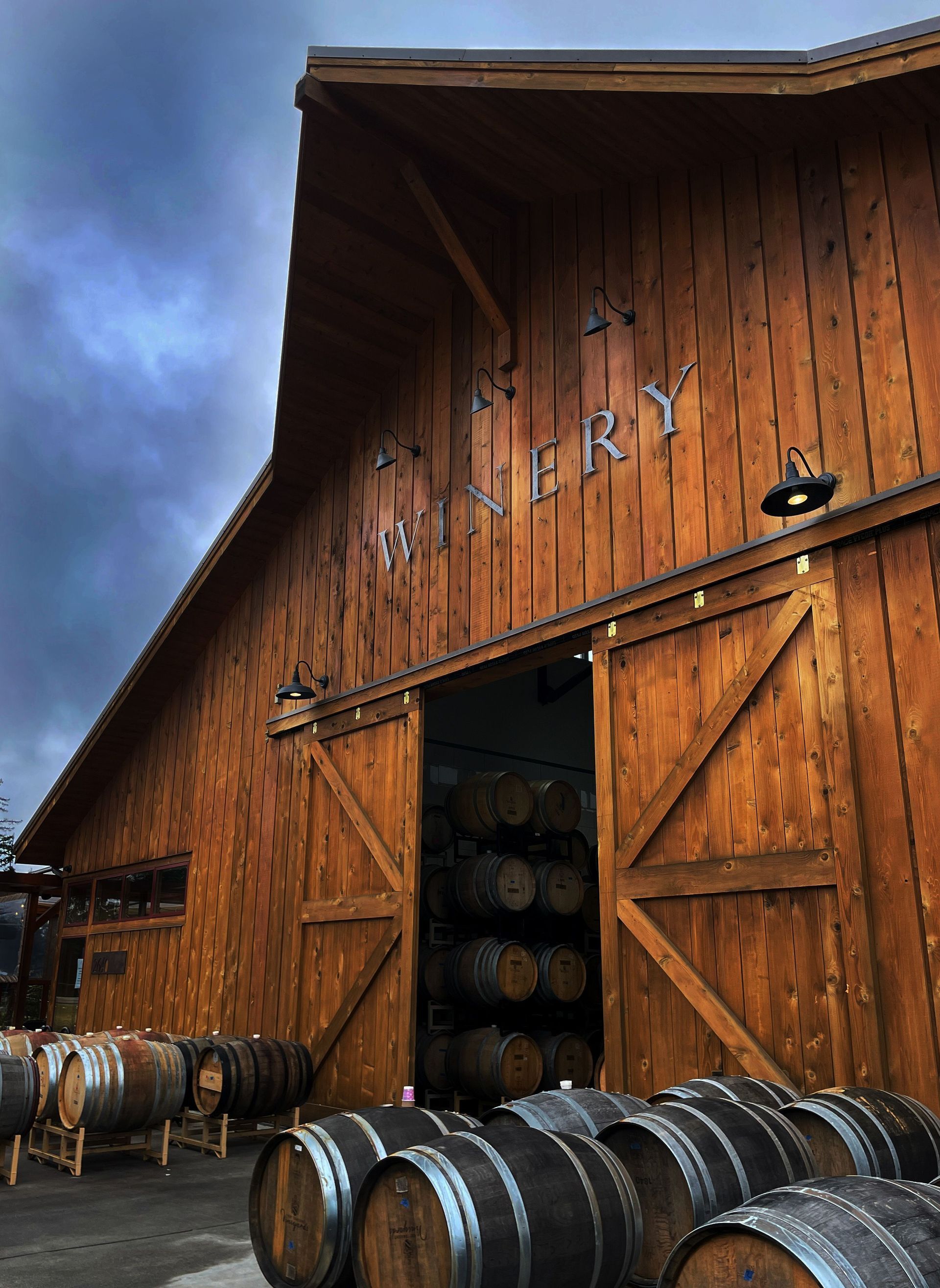
MyHomeVineyard.com was built around a specific frustration: most vineyard owners can find someone to install vines, but almost nobody offering installation also offers licensed management and winemaking under one roof. That gap is exactly why the company operates what it calls the trifecta — building, managing, and winemaking a client's vineyard through a single, fully licensed and bonded Type 02 winery facility in Historic Rancho Cucamonga. When one team owns all three phases, there's no handoff risk between the installer who built your trellis and the manager who inherits it a year later — and no guessing at what the vines will actually produce, because the same people who planted them are the ones managing and vinifying the fruit.
That matters because of a pattern MyHomeVineyard.com sees constantly: clients who tried DIY winemaking on their own fruit and, as the company puts it plainly, it "never turns out well." A vineyard that's expensive to install and then poorly managed or poorly vinified doesn't just underperform — it fails to deliver the thing the owner actually paid for. Bundling all three phases with one licensed operator, including the ability to rapid-age wine using ultrasonication to shorten the wait for a finished bottle, is what keeps the total cost of ownership predictable instead of compounding across three separate vendors.
The Real Cost of Cutting Corners — Or Going It Alone
The most expensive home vineyard is the one that has to be partially rebuilt. An undersized trellis, a drip system without proper filtration, or vines planted without addressing a high Mildew Index site (common in the coastal-influenced pockets of Orange County) all show up as real costs later — either as reduced yield, vine loss, or a full trellis retrofit. Southern California vineyards also carry a specific regional risk that national cost guides don't account for at all: Pierce's Disease, which can kill vines outright and requires licensed management experience to monitor and counteract.
Variety selection is another quiet cost driver. Planting the wrong grape for your specific microclimate — something we cover in our guide to choosing wine grape varieties for Southern California home vineyards — can mean years of disappointing fruit before anyone identifies the problem. None of this means a homeowner should over-spend defensively. It means the cheapest installation quote is rarely the cheapest vineyard over its 20-plus-year life, and it's worth weighing every line item against what happens if it fails.
Getting a Real Number for Your Property
Every property in Rancho Cucamonga, Temecula, and across San Bernardino, Riverside, and Orange County has a different starting point — different soil, different slope, different existing landscaping to clear, and a different Mildew Index depending on how close you are to the coast. That's why MyHomeVineyard.com doesn't quote home vineyard installation off a national average; a vineyard consultation walks the property, tests the site, and builds a management plan custom to that microclimate before any number gets attached to it. You can see examples of completed installs in our project portfolio, or read more about the family history behind the trifecta model on our about page.
Frequently Asked Questions
Is a home vineyard cheaper than a commercial vineyard per vine?
Generally yes on a per-vine basis, since you're not purchasing agricultural land and the total vine count is far lower than a commercial planting. But the fixed costs — trellis engineering, drip system components, soil testing — don't disappear just because the footprint is smaller.
Does the installation cost include ongoing vineyard management?
No — installation and vineyard management
are separate phases of the trifecta, priced separately, because management is an ongoing annual service rather than a one-time build. Bundling both with one operator is what keeps the two costs coordinated instead of working against each other.
Do I need a permit to plant a vineyard on my Southern California property?
It depends on your city and lot size — see our full breakdown of home vineyard permit requirements (linked above) for the specifics by jurisdiction.
What's the biggest way to responsibly reduce home vineyard installation cost?
Right-sizing the footprint to what you'll actually manage and drink, rather than over-planting, is the most defensible way to control cost — cutting corners on trellis or irrigation quality isn't, since both show up as higher costs later.
How long before a newly installed home vineyard produces its first harvest?
Most Southern California home vineyards reach their first meaningful harvest in year three, which is also the point most commercial cost studies use to calculate total establishment cost.
Recent Posts