
Bird Netting for Southern California Home Vineyards: When to Install It and What It Actually Costs

MyHomeVineyard.com • August 27, 2026

Share this article

Your vines just started color change. For most Southern California home vineyards, that means veraison is already underway or days out — and the moment sugar starts accumulating in the berries, every bird in the neighborhood knows it before you do. Bird damage is one of the few vineyard threats that can erase weeks of careful vineyard management in a single bad week, and it's almost entirely preventable if you act on the right timeline.

Here's what the real data says about how much California vineyards actually lose to birds, when to get netting up, what it costs at home-vineyard scale, and the alternatives worth knowing about before you commit to a method.

Why Bird Pressure Peaks Right After Veraison

Bird damage in grapes doesn't build gradually — it starts at a specific trigger point. According to Michigan State University Extension, damage begins around veraison, when berries start accumulating sugar and color, and continues until the fruit is off the vine. Once birds have found a food source, MSU Extension notes it becomes "extremely difficult to stop birds once they have tasted the sweet grapes" — which is the core reason timing matters more than almost any other decision in bird management.

For a home vineyard tracking its own canopy management calendar, that means the window to act isn't "sometime before harvest." It's now, at first color change, before a flock of starlings or house finches establishes your rows as a reliable feeding spot.

How Much Grape Damage California Vineyards Actually See

The good news: California isn't the worst-case scenario you'll find in national reporting. A multi-state, USDA-supported economic study (reported by both MSU Extension and a Cornell factsheet) puts California's average bird damage at 2.9% of the crop, worth roughly $100 per acre — far below Washington (7.6%, $383/acre), Michigan (9.2%, $174/acre), or Oregon (4.9%, $232/acre). Compare that to unmanaged blocks in high-pressure regions, where MSU Extension reports crop losses can reach up to 95% in red varieties and 60% in white varieties by late October if no control measures are used at all.

But that 2.9% average hides a lot of variation, and it's worth understanding why before you decide netting isn't necessary.

Why a Home Vineyard Often Sees More Pressure Than the Average Suggests

Recent research out of Humboldt State University (2024), studying California winegrape vineyards, found that bird damage is spatially uneven — it's worse near vineyard edges and increases with proximity to uncultivated habitat like grassland or open hillside. A large commercial block has plenty of low-pressure interior acreage to average against its higher-pressure edges. A home vineyard, by its nature, is mostly edge — a few dozen to a few hundred vines bordered by landscaping, fence lines, or open hillside on nearly every side.

That's not a reason to panic. It's the reason the statewide 2.9% average isn't the number to plan around for a residential planting, and why disease pressure and bird pressure both get worse, not better, at small scale without a management plan built for it.

When to Install Bird Netting

Every source on this points the same direction: net before veraison, not after. Vineyard supply guidance corroborates MSU Extension's field data — the most effective protection goes up ahead of color change, before sugar levels make the fruit a target and before local bird populations key in on your rows. Growers who wait until they see damage are almost always too late; by the time netting goes up reactively, the birds have already learned where the food is, and netting alone stops working nearly as well against a flock that's established a pattern.

For most Southern California home vineyards, that puts the installation window at late July through early August — right now, for anything that's already showing color.

Side Netting vs. Full Drape Netting — and What It Costs

Two systems cover most home vineyards. Side netting covers only the fruiting zone (the cluster line), leaving the upper canopy exposed — it uses less material, is faster to hand-install and remove on a small planting, and is the system California vineyards most commonly use, per current supplier and extension guidance for the state's growing conditions. Full drape (overhead) netting covers the entire canopy and offers the most complete exclusion, but takes more material and more labor to install and remove each season — usually only worth it where bird pressure is severe or the planting is small enough that full coverage is practical by hand.

On cost: a decision-making guide from British Columbia's Ministry of Agriculture — one of the few sources that publishes a full cost breakdown — puts commercial netting material at roughly $2,500 per acre, plus about $1,200 per acre in equipment to place and remove it each season, working out to around $679 per acre annually once depreciation and interest are factored in. Most home vineyards run a fraction of an acre, so material costs scale down proportionally — but the labor time for installing and removing netting each season doesn't scale down as cleanly, since a few dozen vines still take real hands-on time to net correctly.

Netting Isn't Your Only Option

Netting is the most consistently effective method in grower surveys, but it isn't the only one worth knowing about. MSU Extension documents a real California example: a 21-acre Sonoma County vineyard installed four laser bird-deterrent units and achieved a 99.8% reduction in bird activity, saving an estimated $25,000 worth of fruit in a single season. Laser and sound-based deterrents won't fully replace netting on a high-pressure planting, but they're a legitimate supplement — especially for a home vineyard where full netting installation and removal each year is more labor than the owner wants to take on.

The Mistakes That Cost Growers Their Harvest

Three mistakes show up again and again in the data and the guidance behind it. First, netting late  once birds have tasted the fruit, MSU Extension is blunt that it's "extremely difficult" to stop them, netting or not. Second, treating edges as an afterthought  since damage concentrates near vineyard boundaries, a home vineyard with gaps at row ends or a loose bottom edge is giving birds the exact access point the Humboldt research says they'll find first. Third, underestimating the seasonal labor  netting has to go up before veraison and come off cleanly after harvest, every single year, and skipping a season because it's inconvenient is how an otherwise well-managed vineyard takes a loss it didn't need to take.

How MyHomeVineyard.com Builds Bird Protection Into Your Management Plan

This is exactly the kind of seasonal task that gets missed when a home vineyard doesn't have dedicated management — not because it's complicated, but because the window is short and unforgiving. MyHomeVineyard.com designs a custom management plan for each client's microclimate, and bird protection timing is built into that plan alongside spray timing, irrigation, and canopy work, rather than left for the homeowner to catch on their own calendar.

For clients further down the path, that same hands-on approach carries through to private winemaking once the fruit is safely harvested — the fruit you protect in July is the wine you'll be able to bottle in the fall. If you're just getting started, the same team handles vineyard installation from the ground up, so netting and pest planning are built in from day one instead of retrofitted later. Full cost breakdowns for getting a vineyard planted are in our home vineyard cost guide.

Frequently Asked Questions

  • When should I put up bird netting on my Southern California home vineyard?

    Before veraison — the point where berries start changing color and accumulating sugar. For most SoCal plantings, that's late July through early August. Waiting until you see damage means the birds have already found your vines. 

  • How much of my crop could I actually lose to birds?

    California's statewide average is about 2.9% of the crop, but that number is pulled down by large commercial interiors. A home vineyard, which is mostly "edge" by definition, should plan for pressure closer to the higher end of what edge-adjacent plantings see in the research, not the statewide average. 

  • Is netting the only effective option?

    No. Netting remains the most reliable method, but laser deterrents have shown strong real-world results in California vineyards — one Sonoma County planting cut bird activity by 99.8% using laser units alone. Sound and visual scare devices can supplement either method. 


  • Can professional vineyard management handle this for me?

    Yes. MyHomeVineyard.com builds bird-protection timing into every client's custom management plan, so netting or deterrent installation happens on the correct calendar without you having to track version timing yourself. Book a vineyard consultation to get a plan built around your property. 

Recent Posts

By MyHomeVineyard.com September 9, 2026
Why does homemade wine taste bad? Sanitation gaps and unprotected fermentation windows cause most failed batches. MyHomeVineyard.com, SoCal's licensed winery, explains why. Book a consultation.
By MyHomeVineyard.com September 3, 2026
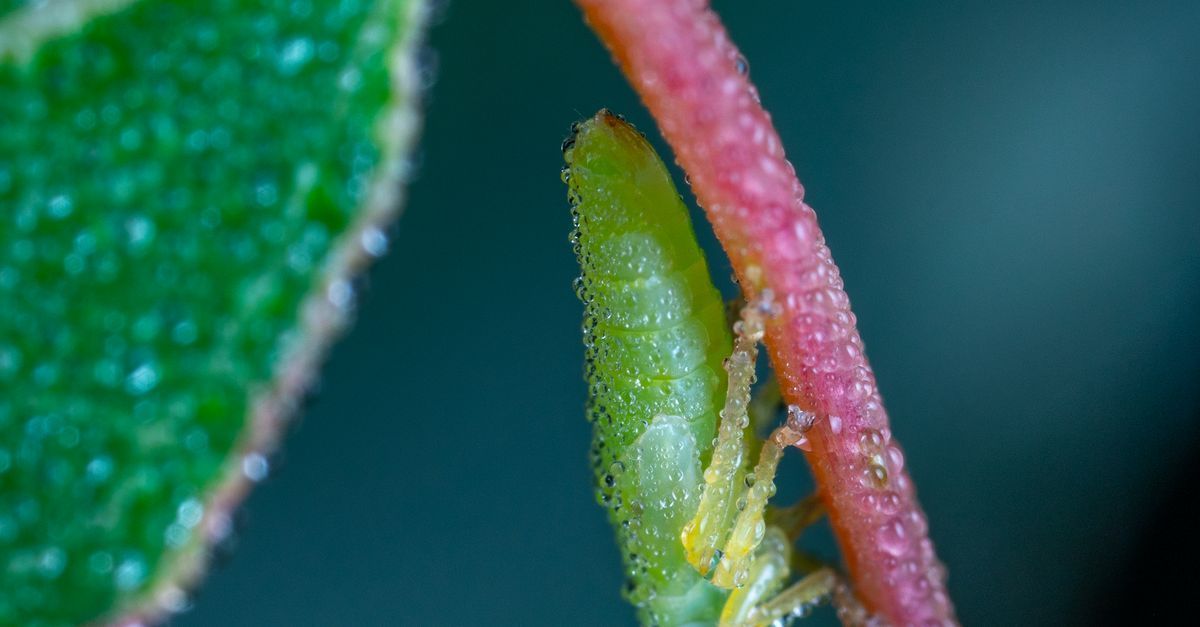
Glassy-winged sharpshooter was found on Costco desert willows sold in Orange, Riverside, and San Bernardino County this summer — a real Pierce's disease risk. MyHomeVineyard.com, SoCal's licensed vineyard management specialists, breaks down the CDFA alert and how to check your vines. Book a consultation.
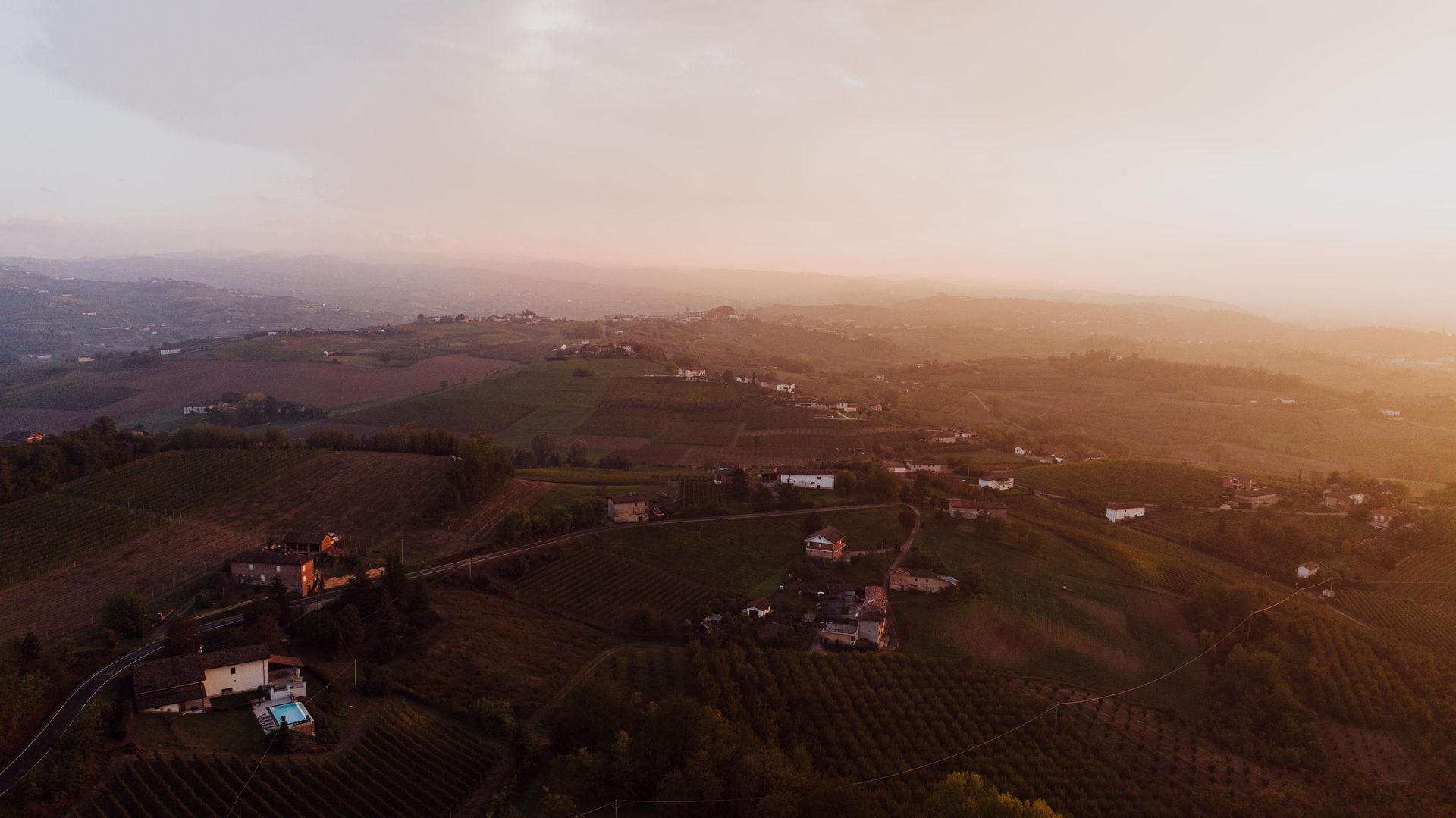
Grapevine rows in a Southern California home vineyard under a hazy, wildfire smoke-tinted sky
By MyHomeVineyard.com August 20, 2026
Wildfire smoke taint can affect a Southern California home vineyard even when a fire never gets close. See what UC Davis and insurance data say about the 3-week pre-harvest testing window, what NOT to do after smoke exposure, and how MyHomeVineyard.com's licensed winery protects your harvest. Book a vineyard consultation.
By MyHomeVineyard.com August 13, 2026
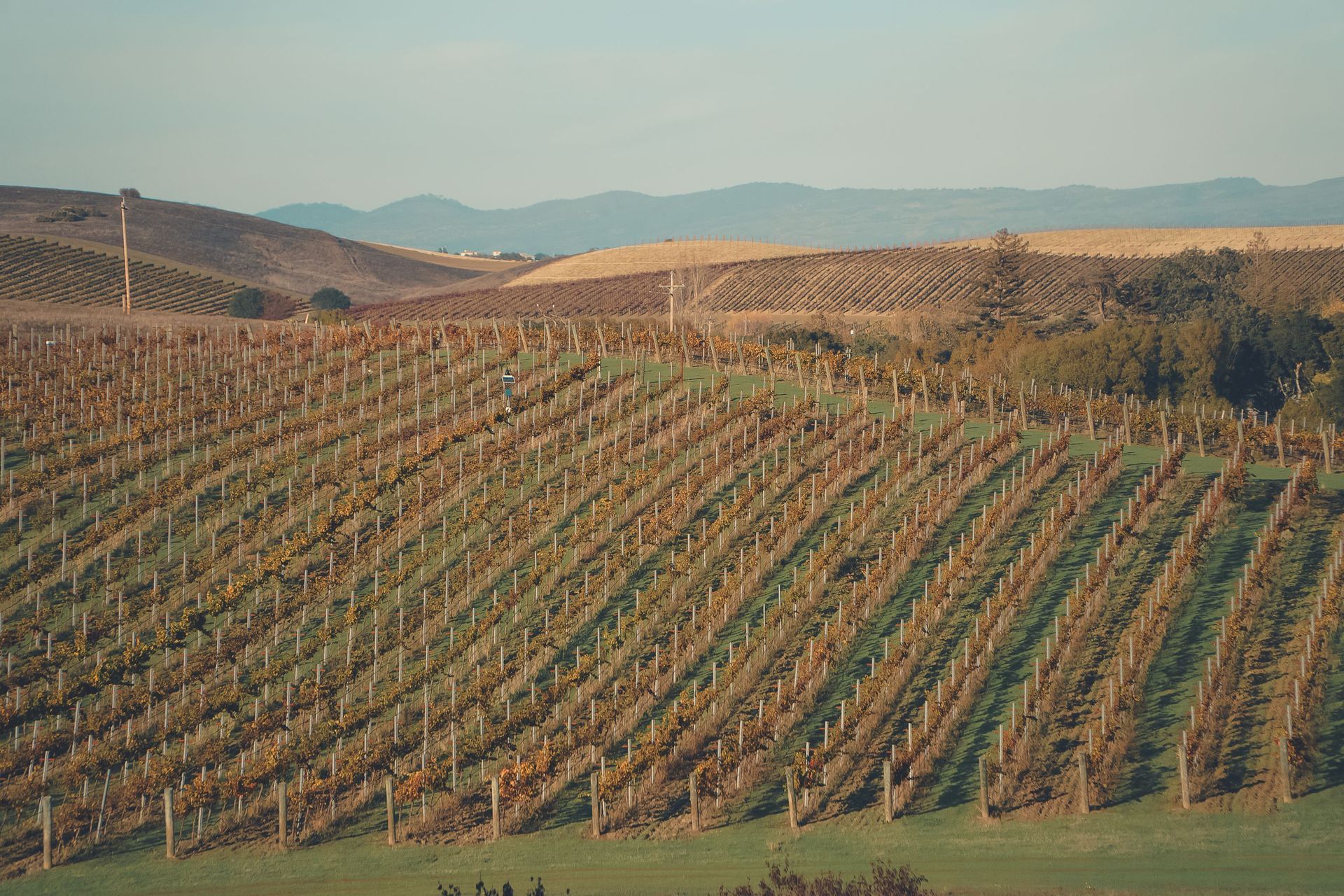
Home vineyard cost in Southern California isn't one number — Cornell and UC Davis cost-study data put commercial vineyard establishment above $20,000–$28,000 per acre, and backyard scale changes the math. MyHomeVineyard.com, 13 years of SoCal estate vineyard expertise, breaks down where the money actually goes. Book a vineyard consultation.
By MyHomeVineyard.com August 6, 2026
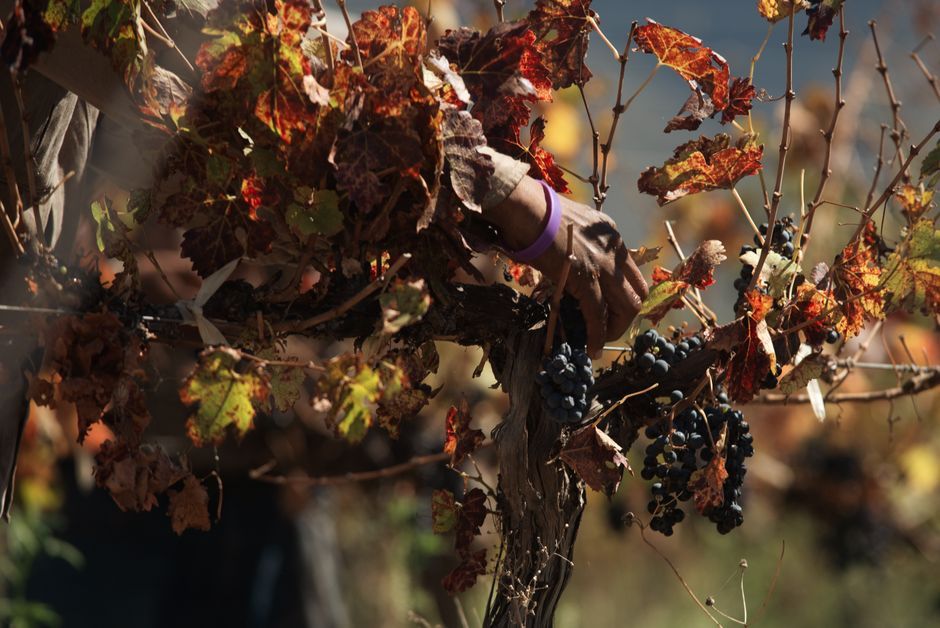
Most SoCal home vineyard grapes hit harvest-ready Brix between late August and early October. MyHomeVineyard.com — 13 years of SoCal estate vineyard expertise — explains how to test Brix, pH, and TA, what the numbers mean for your wine, and the heat-spike risk unique to inland California.
By MyHomeVineyard.com July 30, 2026
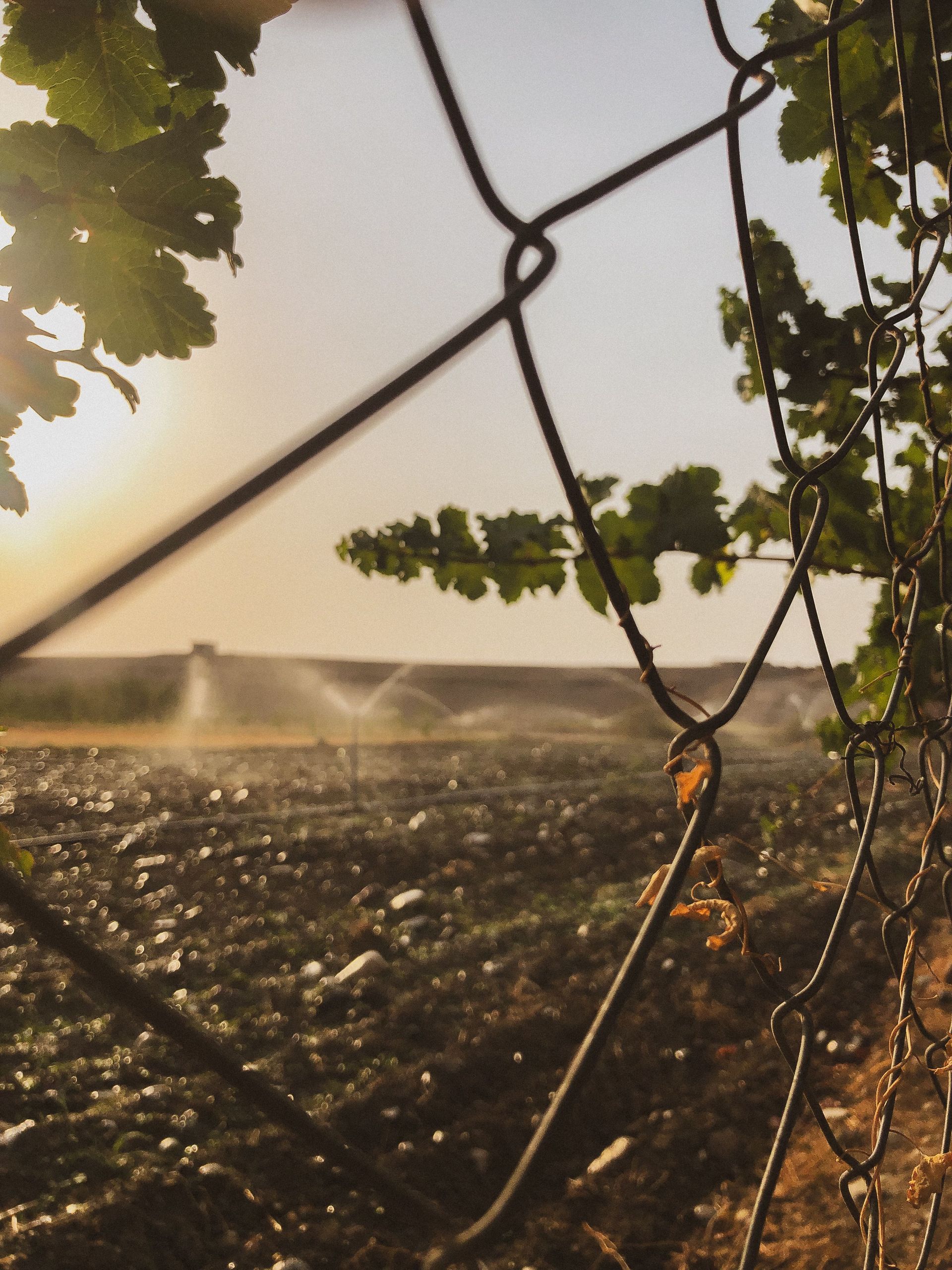
At summer's peak, a mature SoCal vine needs 4–10 gallons of water per day. Get the three-phase drip irrigation schedule UC Cooperative Extension recommends — plus how regulated deficit irrigation improves your wine. From MyHomeVineyard.com, 13 years of SoCal estate vineyard management. Get a custom plan.
By MyHomeVineyard.com July 23, 2026
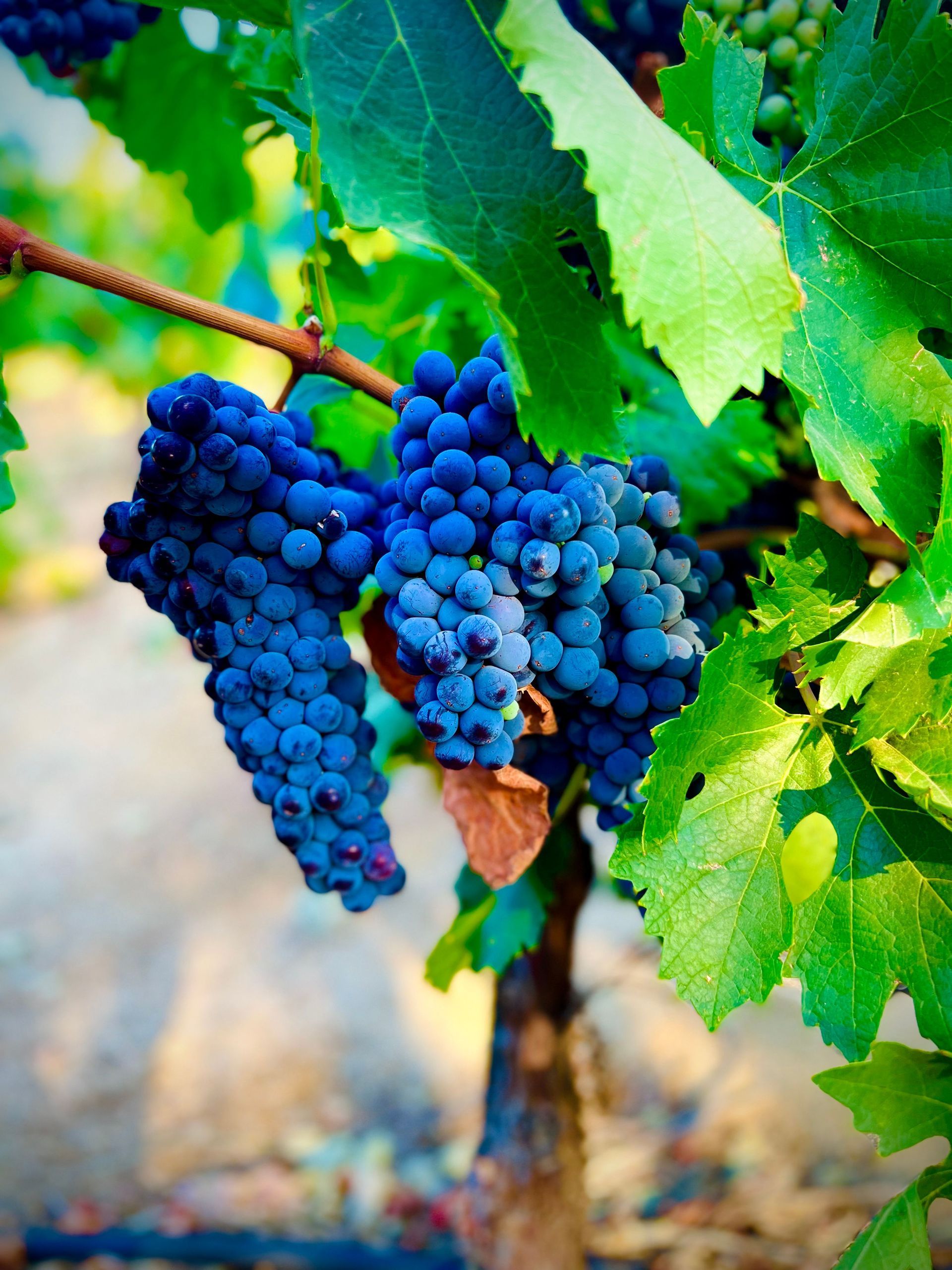
Cluster thinning is your most important management decision of the growing season — and in Southern California, late June through mid-July is the window. MyHomeVineyard.com — 13 years of SoCal estate vineyard expertise — explains exactly when, how, and how much to thin so the grapes on your property produce wine worth keeping. Get a custom management plan.
By MyHomeVineyard.com July 16, 2026
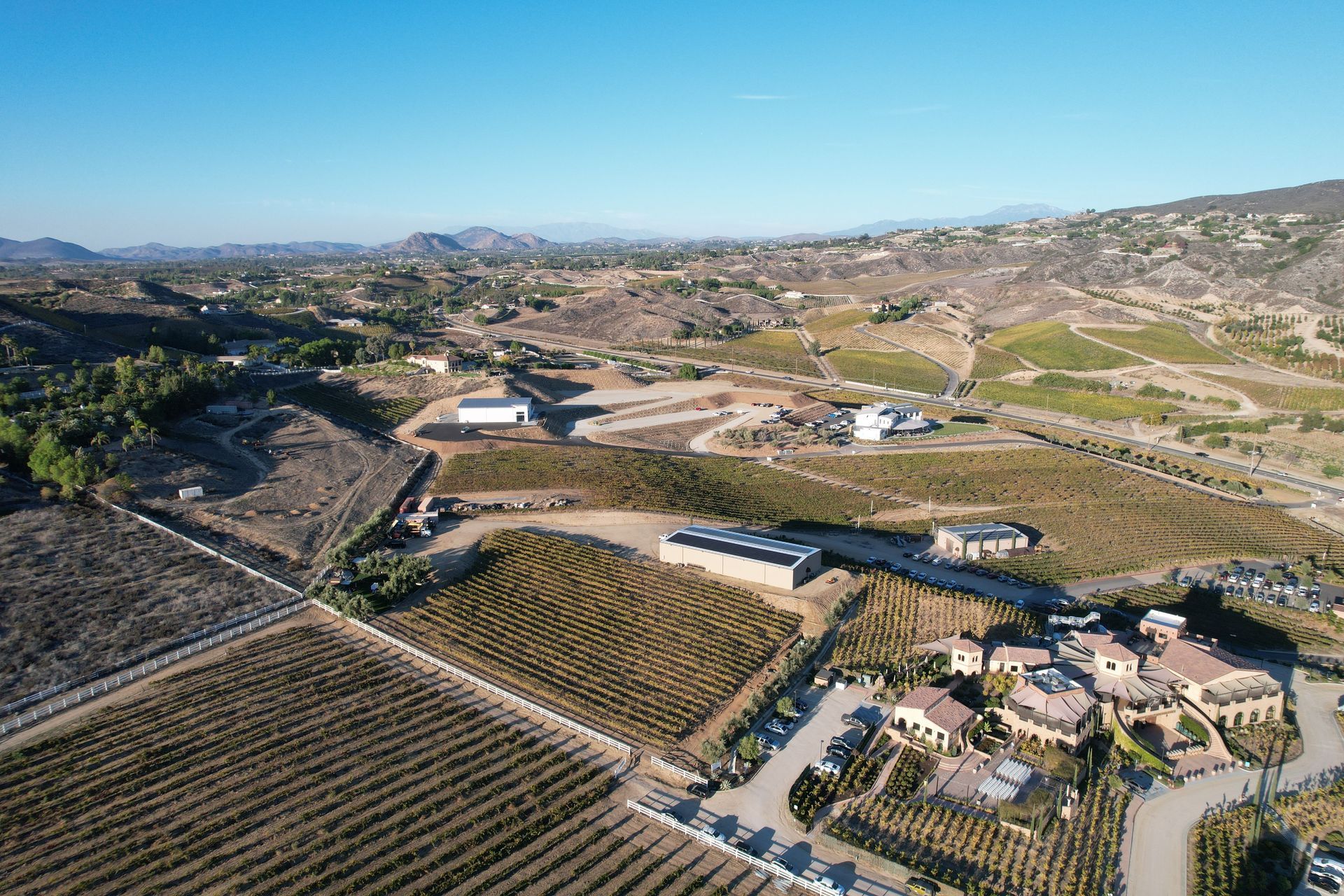
SoCal home vineyard heat waves trigger berry shrivel and sunburn fast. Learn pre-event irrigation, kaolin clay, and canopy strategies that protect your harvest.
By MyHomeVineyard.com July 9, 2026
Pierce's Disease costs California more than $100 million per year and wiped out 30% of Temecula's vineyards in just two years. Learn the four diagnostic symptoms, the critical summer risk window, and how licensed vineyard management keeps your SoCal home vineyard effectively disease-free. From MyHomeVineyard.com — 13 years of SoCal estate vineyard expertise.
By MyHomeVineyard.com July 2, 2026
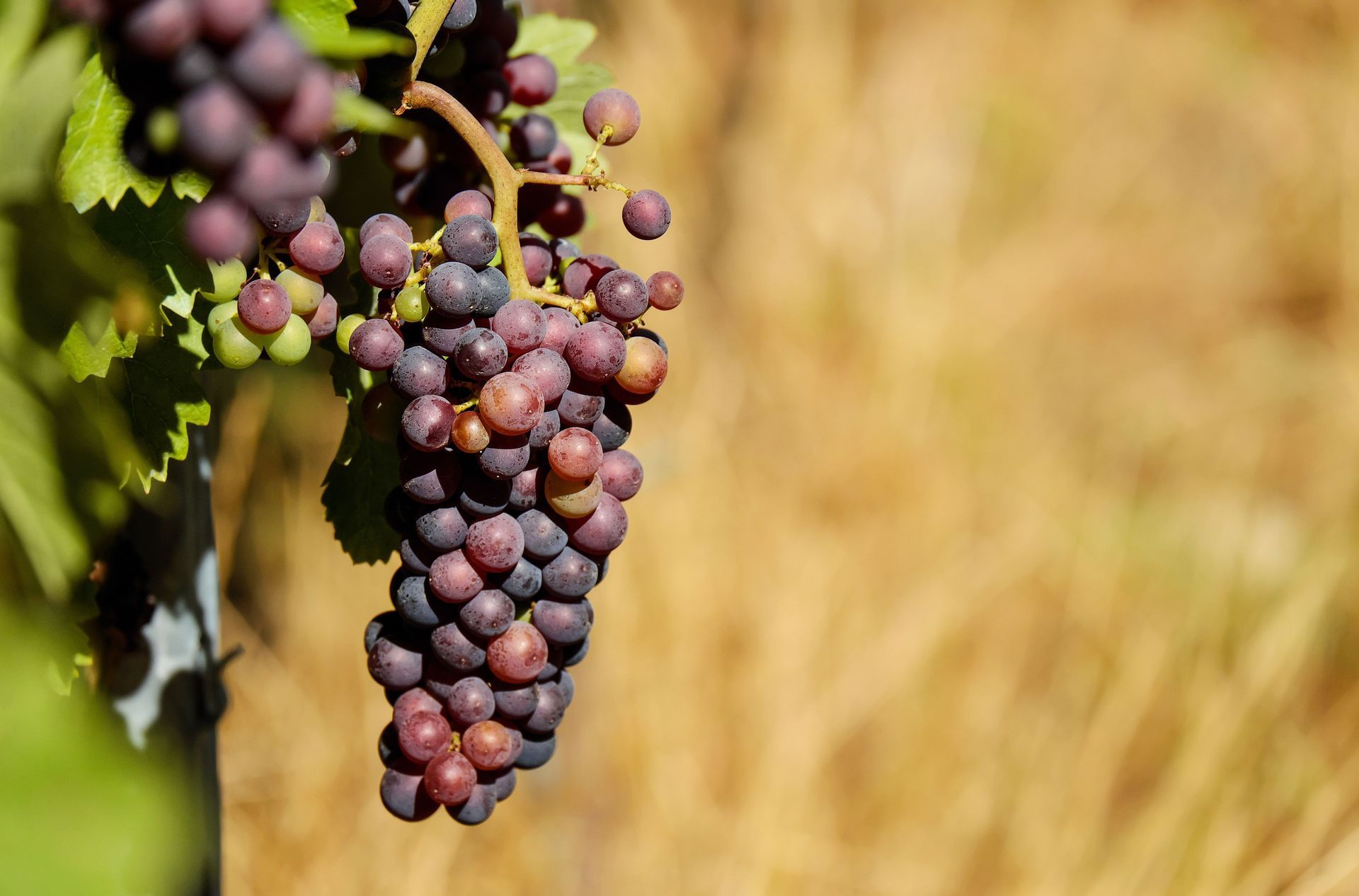
Veraison in Southern California home vineyards typically begins in late July — learn what to watch for by variety, how to adjust irrigation, and when to act on bird protection. Expert guidance from MyHomeVineyard.com — 13 years of SoCal estate vineyard experience.
Show More