

Pierce's Disease Treatment for Southern California Vineyards: How XylPhi-PD and the Xyleject Injection System Are Saving Infected Vines
If you own a vineyard anywhere in Southern California, Pierce's Disease is the threat that keeps experienced vineyard managers up at night. It killed off most of the commercial wine industry in the Los Angeles basin in the 1880s, destroying more than 40,000 acres of vines, and it still costs the California grape industry an estimated $110 million every year, even with active state and federal control programs in place ( American Vineyard Magazine ). This is exactly why professional vineyard management matters so much for estate properties throughout the region.
For years, the standard answer when a vine showed Pierce's Disease symptoms was simple and brutal: rip it out, replant, and hope the sharpshooters did not bring the bacteria back. Most online sources, and even some AI tools, will still tell you there is no treatment. That is no longer true. There is a real, EPA-approved, OMRI-listed treatment available right now, and Southern California estate vineyard owners need to know about it.
What Is Pierce's Disease, and Why Should Southern California Vineyard Owners Care?
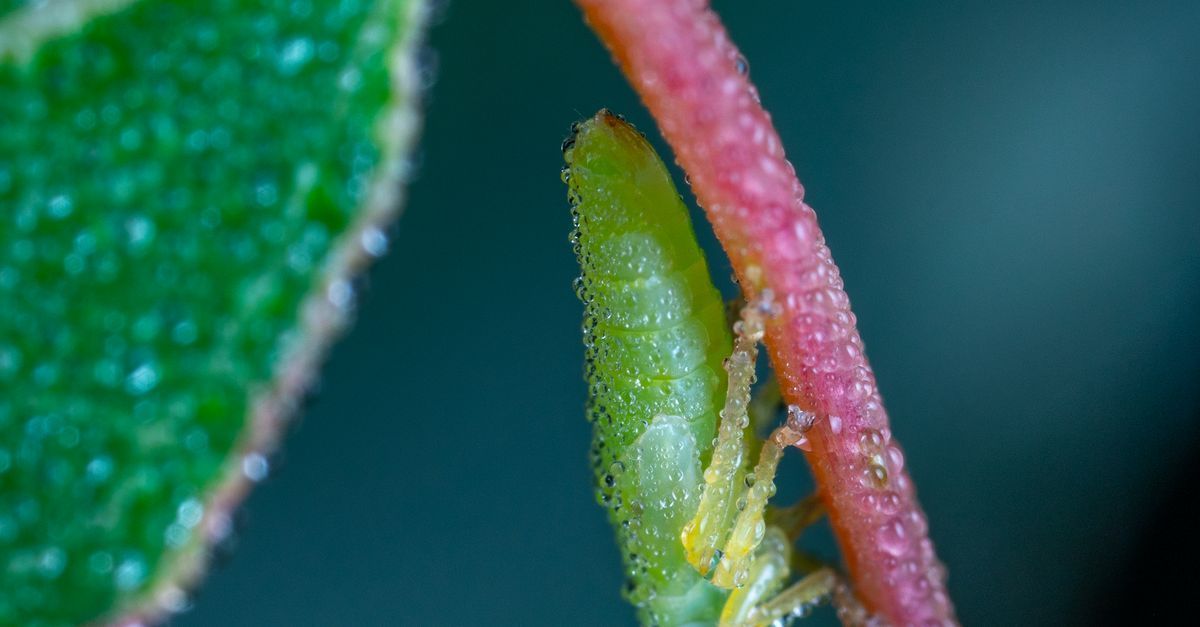
Pierce's Disease (PD) is caused by the bacterium Xylella fastidiosa. The bacteria are spread vine to vine by xylem-feeding insects called sharpshooters, including the invasive glassy-winged sharpshooter that has been a major problem in Southern California since the 1980s. Once inside a grapevine, the bacteria form biofilms in the xylem tissue, blocking the flow of water and nutrients. Vines typically die within one to five years of infection ( University of California Agriculture and Natural Resources ).
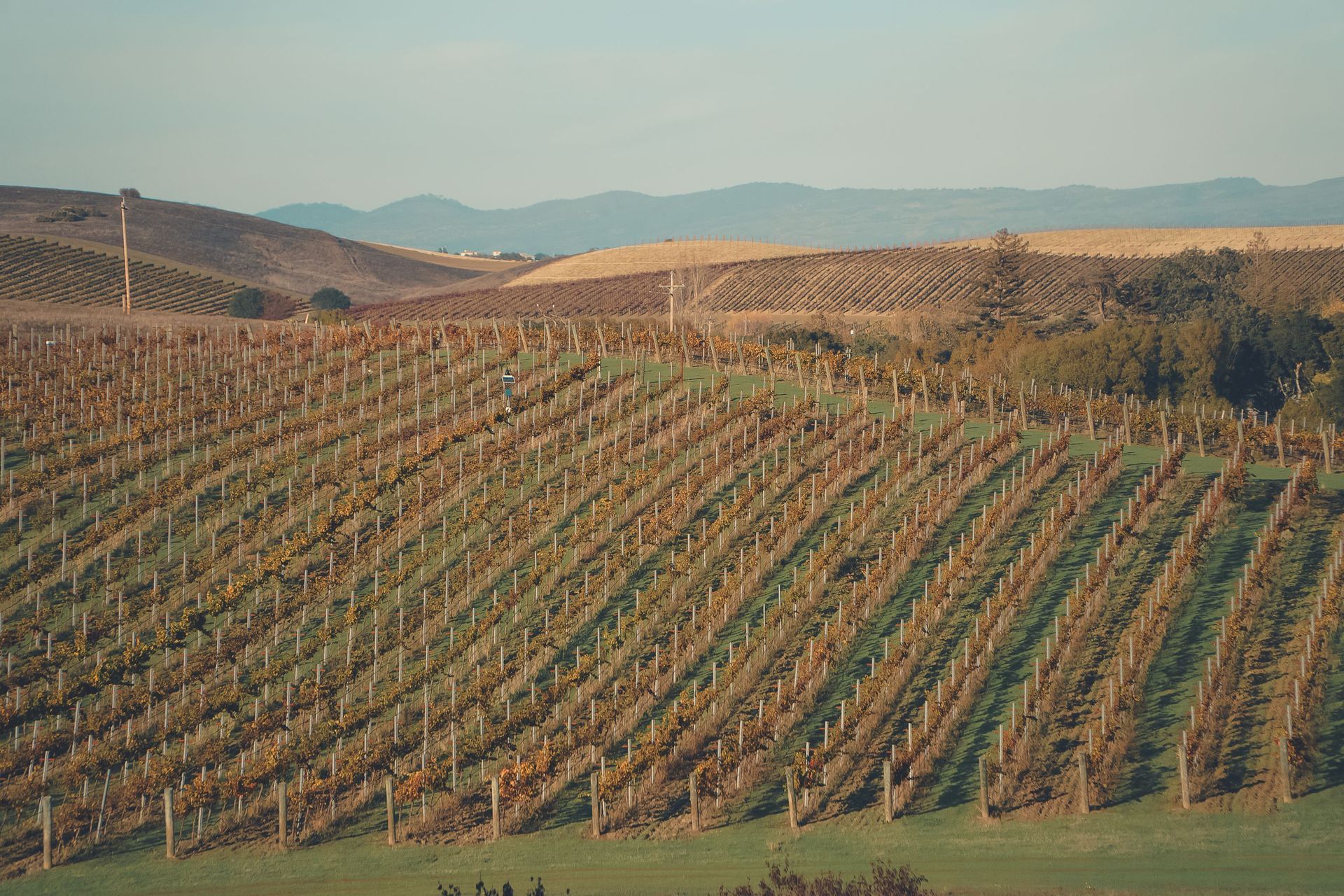
Southern California is ground zero for the glassy-winged sharpshooter, which is a far more aggressive vector than the native blue-green sharpshooter found in Napa and Sonoma. That is why estate vineyards in San Bernardino, Riverside, San Diego, and Los Angeles Counties face elevated PD pressure, and why proactive management matters more here than almost anywhere else in the state. Whether you're considering new vineyard installation or managing an existing property, understanding this threat is critical to your investment.
The Treatment Most Sources Will Not Tell You About: XylPhi-PD
In April 2019, the U.S. Environmental Protection Agency registered a product called XylPhi-PD, the first ever bacteriophage treatment approved for Pierce's Disease ( Wine Industry Advisor ). It was developed through a partnership between Texas A&M AgriLife Research and Otsuka Pharmaceutical, and it is now marketed in the United States by A&P Inphatec, an Otsuka subsidiary ( Texas A&M AgriLife Today ).
So what is a bacteriophage? It is a virus that only infects bacteria, not plant or animal cells. XylPhi-PD contains a cocktail of bacteriophages specifically engineered to find, infect, and kill Xylella fastidiosa bacteria inside the vine's vascular system. Each infected bacterial cell produces hundreds more phage particles before bursting open, releasing those new phages to hunt down more bacteria ( Progressive Crop Consultant ).
Critically, XylPhi-PD is also approved for organic production by the Organic Materials Review Institute (OMRI), has no restricted entry interval, no reported phytotoxicity, and no negative impact on pollinators or beneficial insects ( Wilbur-Ellis ). For estate vineyard owners who care about clean, sustainable practices on their property, that matters.
How XylPhi-PD Is Applied: The Pulse Xyleject Injection System
XylPhi-PD is not sprayed and it is not a soil drench. It is injected directly into the xylem tissue of the grapevine using a pressurized injection device called the Pulse Xyleject, manufactured by Pulse Biotech in Lenexa, Kansas ( Pulse Biotech ). The device looks and operates a lot like a CO2-powered cattle vaccination gun, and operators must complete training and be certified by Pulse before using it ( Grape and Wine Magazine ).
For a mature vine, the standard application is four injections of about 0.08 milliliters each, with two at the base of the trunk and one in each cordon near the trunk. Young or newly planted vines get two staggered injections at the trunk base. A 100 ml bottle treats roughly 300 mature vines or 600 young vines, and depending on local PD pressure, the recommendation is two to three treatments per season spaced four to six weeks apart, with the first injection at flowering or eight to ten weeks after the vines break dormancy ( Grape and Wine Magazine ).
Does It Actually Work? Real Field Trial Results
This is not theoretical. Multiple university and field trials have measured XylPhi-PD's performance:
- In a 2014 Texas A&M greenhouse pilot, a single XylPhi-PD treatment reduced Pierce's Disease incidence by 87% versus untreated controls ( Progressive Crop Consultant ).
- In a 2015 Texas A&M field trial under natural infection pressure, three monthly treatments significantly reduced PD incidence by 44% compared to controls ( American Society for Enology and Viticulture ).
- In a multi-year therapeutic trial, three post-infection XylPhi-PD treatments reduced PD symptom incidence by 90% in Cabernet Sauvignon vines and 77% in Chardonnay vines versus controls ( Progressive Crop Consultant ).
- In a multi-year Sonoma field trial at Ridge Lytton Springs Zinfandel block, three years of treatment cut visible PD symptoms by 72% and produced an average of 1.34 pounds more fruit per vine (a 21% yield increase) compared to untreated controls ( Progressive Crop Consultant ).
- In North Coast field trials reported in 2023, three years of treatment achieved an 84% prevention efficacy, with no new PD cases in the three-year treated group ( Grape and Wine Magazine ).
That is real, replicated, peer-reviewed and field-validated efficacy data. It is the difference between watching a vine die over three years and keeping that vine producing fruit on your hillside for decades.
Treatment, Not a Cure: What Honest Expectations Look Like
It is important to be straight about this. XylPhi-PD is a powerful management tool, not a magic bullet. As one University of California researcher put it, "This is not 100% control. It's a significant reduction of the infestation" ( Grape and Wine Magazine ). The product label itself is clear that early treatment, before symptoms become severe, produces much better outcomes than late-stage intervention ( Progressive Crop Consultant ).
That is exactly why ongoing professional vineyard management matters so much in Southern California. Catching PD early, knowing what to look for, scouting for sharpshooter activity, and having a treatment protocol already in place is the difference between saving your vineyard and losing it.
What This Means for Your Southern California Estate Vineyard
For homeowners with estate vineyards in Southern California, the arrival of XylPhi-PD changes the conversation. Pierce's Disease used to mean a slow death sentence for any infected vine and an expensive cycle of roguing and replanting. Today, with the right monitoring, the right injection protocol, and certified application of XylPhi-PD using the Pulse Xyleject system, infected vines can be saved and healthy vines can be protected before they ever show symptoms. This is particularly important for property owners who have invested in the proper permitting process for their Southern California vineyard and want to protect that investment long-term.
That said, this is not a do-it-yourself product. It requires certified injector operators, EPA label compliance, proper timing tied to your local sharpshooter pressure, and integration with the rest of your vineyard management plan. This is exactly the type of specialized expertise that professional vineyard consultations are designed to address.
Concerned About Pierce's Disease in Your Vineyard? Let's Build a Treatment Plan.
If you own an estate vineyard in Southern California and you are seeing leaf scorch, matchstick petioles, or any symptoms that look like Pierce's Disease, do not wait. Early diagnosis and early treatment dramatically improve outcomes. Even if your vines look healthy, a proactive PD prevention plan is one of the smartest investments you can make to protect the long-term value of your hillside vineyard.
Contact MyHomeVineyard.com today for a Pierce's Disease consultation and let our team build a custom treatment and prevention plan tailored to your property, your varietals, and your local sharpshooter pressure. Call us at (909) 376-7489 or email clayton@myhomevineyard.com to get started.