
Glassy-Winged Sharpshooter in Southern California: The 2026 CDFA Alert Every Home Vineyard Owner Should Know
If you live in Orange, Riverside, or San Bernardino County and bought a desert willow at Costco between June 24 and July 3, 2026, the California Department of Food and Agriculture wants to hear from you and if you own a home vineyard nearby, so does your grape crop. CDFA confirmed that glassy-winged sharpshooter (GWSS), the insect responsible for spreading Pierce's disease, was found on desert willows shipped to Costco stores in a list of counties that includes all three of MyHomeVineyard.com's core service areas.
This isn't a distant Napa or Sacramento problem. It's a live regulatory alert, updated as recently as July 15, 2026, naming the exact counties where our clients grow. Here's what the alert says, what it means if you manage vines in Southern California, and what to actually do about it this week.
What the July 2026 CDFA Alert Actually Says
According to the California Department of Food and Agriculture's official GWSS Costco alert page(last updated July 7, 2026), the agency is responding to two separate contamination events. Glassy-winged sharpshooter insects were found on grapevines sold at select Northern California Costco locations between April 21 and May 19, 2026, and — more relevant to Southern California readers — on desert willows sold at Costco stores between June 24 and July 3, 2026.
The desert willow list, current as of July 15, 2026, names Los Angeles, Orange, Riverside, and San Bernardino counties directly. CDFA is asking anyone who bought a desert willow in that window and in one of those counties to isolate the plant keep it in its original container, don't plant it, don't move it, don't put it in green waste and call their county agricultural commissioner for inspection. CDFA has also confirmed the source nursery is now operating under stricter treatment and shipping protocols while inspectors continue locating and removing affected plants in the named counties and neighboring at-risk areas.
Why This Matters Even If You Didn't Buy a Desert Willow
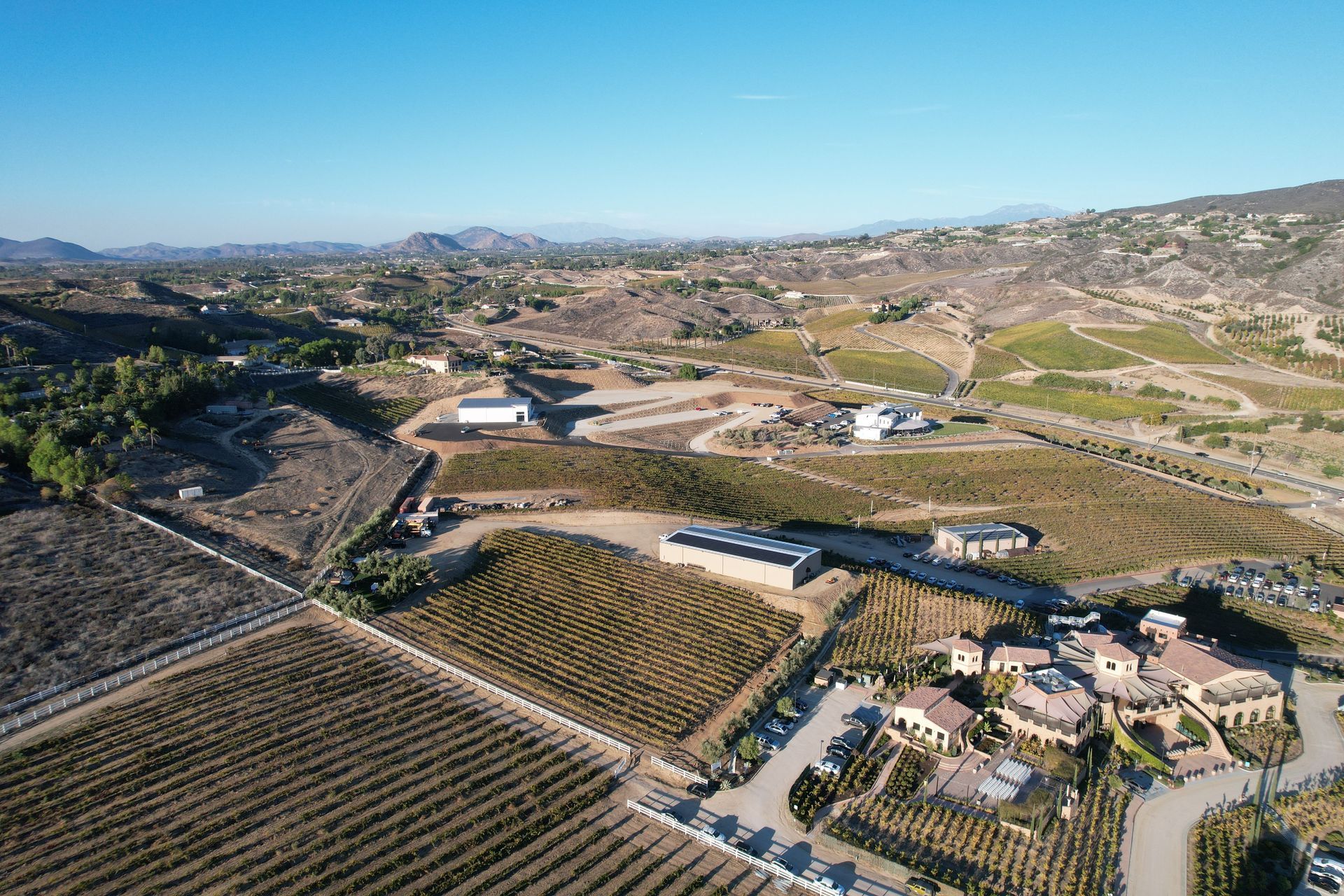
Desert willow is a common Southern California landscape plant plenty of neighborhoods have one within a few hundred feet of a backyard vineyard, whether or not the vineyard's owner is the one who bought it. GWSS is a strong, sustained flyer that moves readily between host plants, and CDFA's own background page on the pest notes that its first major California outbreak happened just up the road from many of our clients: in August 1999, over 300 acres of Riverside County vineyards in Temecula were infested with GWSS and infected with Pierce's disease, and ultimately destroyed. That event is the reason GWSS is taken this seriously in the first place.
The takeaway isn't panic — it's vigilance. A newly introduced GWSS population near your vineyard management zone is exactly the kind of risk that's cheap to catch early and expensive to catch late.
The Real Risk: Glassy-Winged Sharpshooter and Pierce's Disease
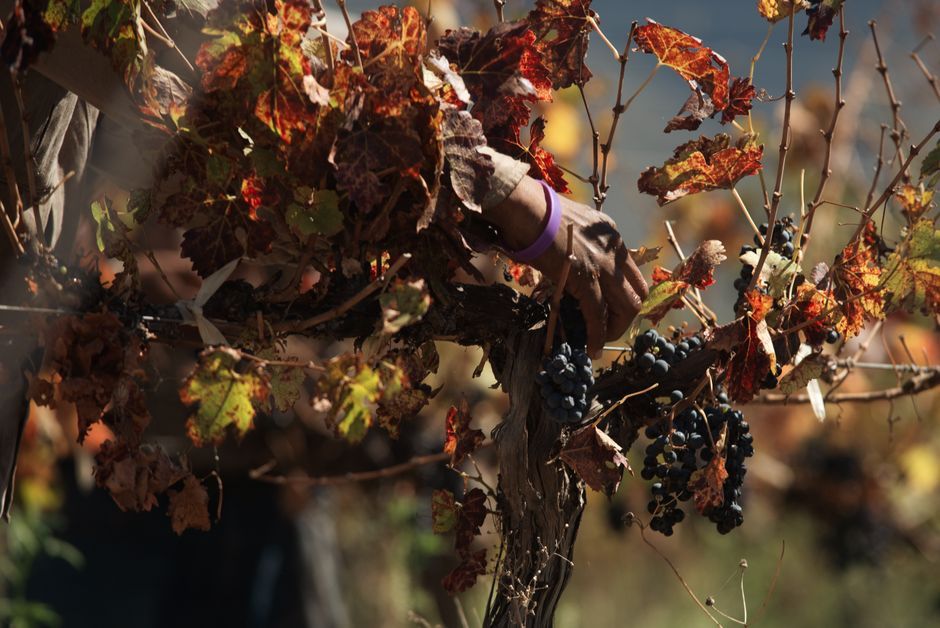
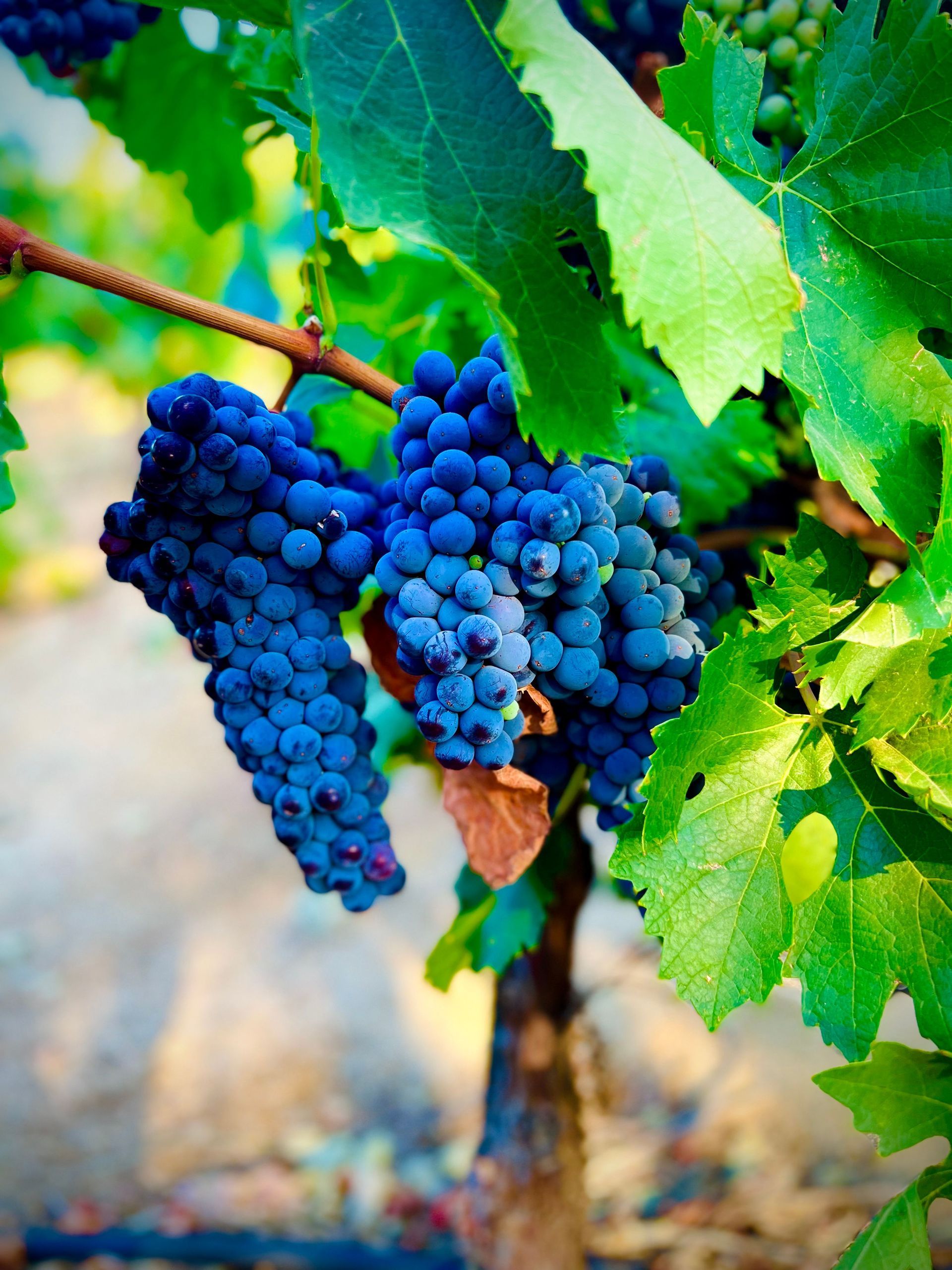
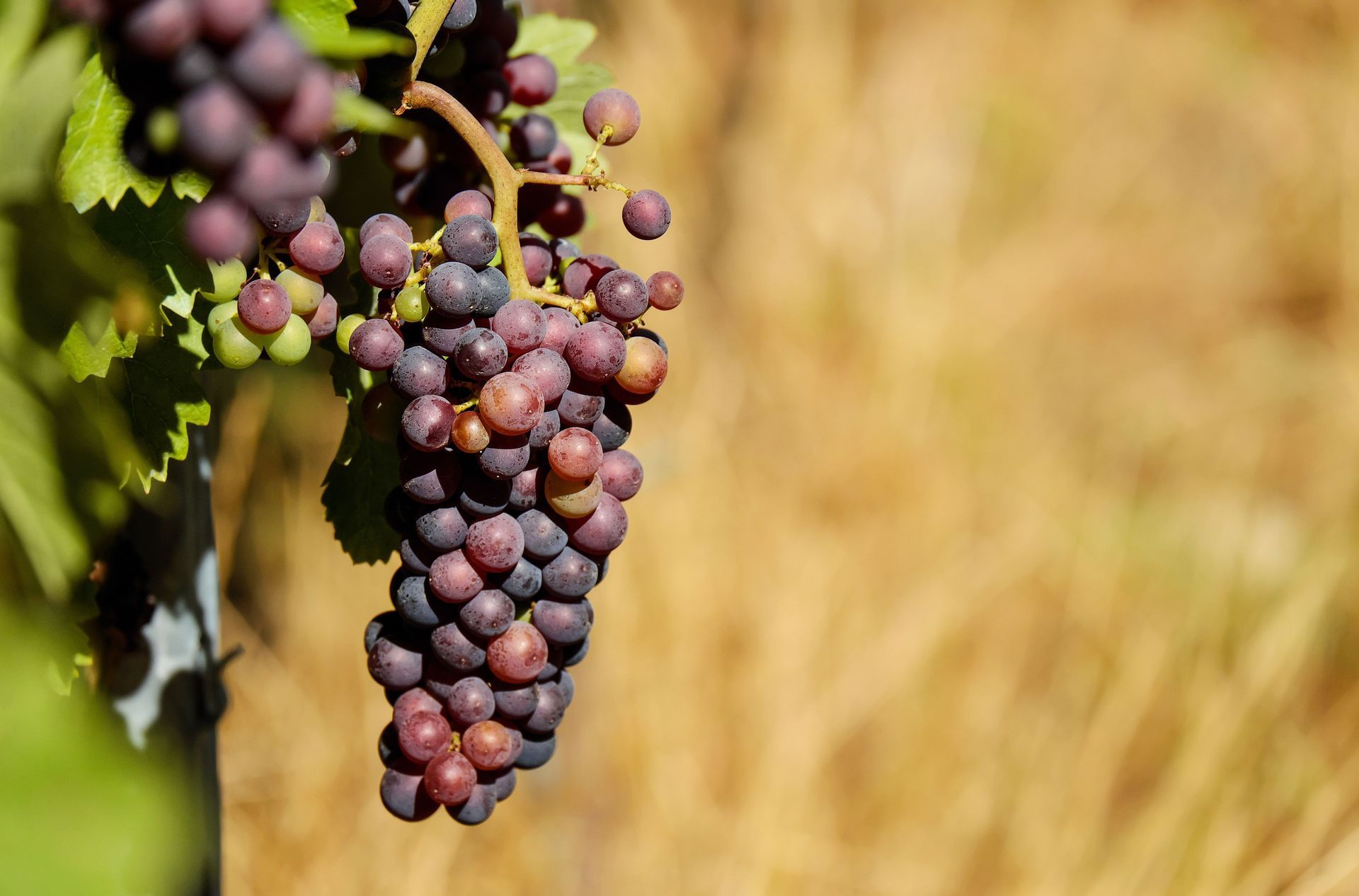
GWSS doesn't kill vines directly. It feeds on xylem fluid and, in doing so, can transmit the bacterium Xylella fastidiosa — the pathogen behind Pierce's disease. Infected vines show scorched, yellowing leaf margins, raisining fruit clusters, and dieback that typically worsens the following spring. Left untreated, Pierce's disease is fatal to the vine, and there is no cure once a vine is infected — only management.
That's the entire reason this CDFA alert matters for a home vineyard, not just a commercial one: a single new GWSS introduction near your property is a new potential path for a disease that, per CDFA's own history with the pest, has already wiped out hundreds of acres in Riverside County once before.
How to Monitor Your Home Vineyard Right Now
What to Look For
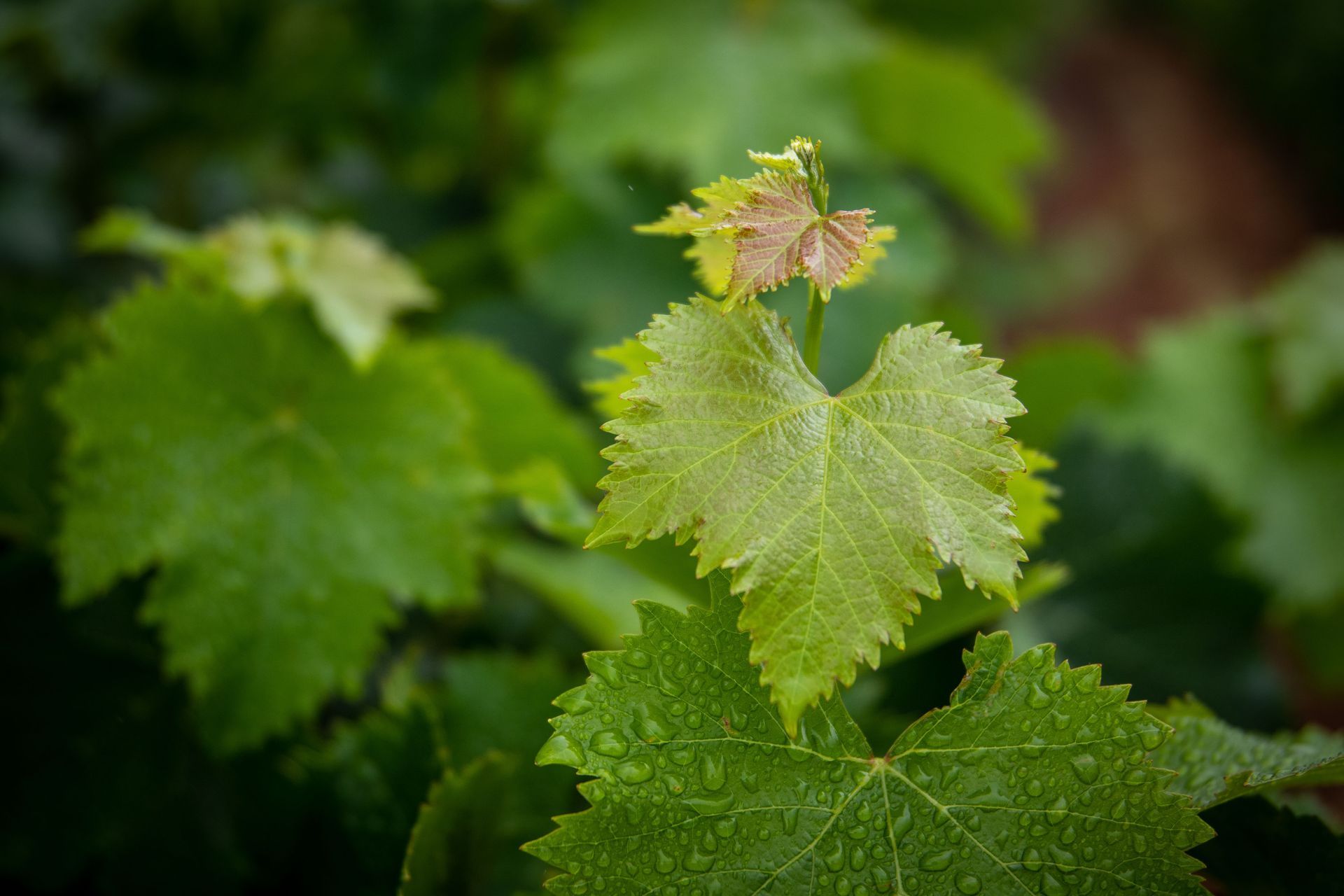
Per the UC Statewide IPM Program's grape pest management guidelines and CDFA's identification materials, adult GWSS are roughly half an inch long, brown with a mottled, glassy-winged appearance, and tend to hold their wings roof-like over their body when resting. They favor new shoot growth and the undersides of leaves. Look for frothy white egg masses on the underside of leaves and a sugary excretion ("leafhopper rain") on foliage below feeding sites — both are early tells before you'll spot the insect itself.
Set Out Yellow Sticky Traps
CDFA's response teams are using yellow sticky traps around affected retail sites and nurseries, and the same approach works at home scale. Place traps at canopy height along the vineyard perimeter, check them weekly through late summer, and note anything with the mottled, glassy-wing pattern. If your vines border a desert willow, oleander, citrus, or other ornamental known to host GWSS, prioritize traps closest to that plant.
If You Bought a Desert Willow — or a Grapevine — Recently
If you or a neighbor purchased a desert willow from Costco in Los Angeles, Orange, Riverside, or San Bernardino County between June 24 and July 3, 2026, CDFA's guidance is specific: isolate the plant in its original container, do not plant or relocate it, and contact your county agricultural commissioner's office right away for a free inspection. The same applies to any grapevine bought at a Northern California Costco location between April 21 and May 21, 2026, that may have since traveled south. Any pesticide response to a confirmed GWSS find should also follow California's application rules — see our breakdown of pesticide regulations for backyard vineyards in California before treating anything yourself.
What to Do If You Spot Something — Or Just Want Peace of Mind
If a trap or a visual check turns up anything suspicious, don't wait. Photograph it, keep the specimen if you can, and call your county agricultural commissioner — early detection is the difference between a contained find and a repeat of what happened in Temecula. If you'd rather have a licensed team handle monitoring for you, GWSS and Pierce's disease surveillance is built into our ongoing vineyard management program, alongside the same seasonal care we cover in our June–July canopy management guide and what to watch for as your vines move through veraison this month. If a vine does test positive for Pierce's disease, our team's licensed Xylphi-PD injection protocol is the option we'd walk you through — you can read how that Pierce's disease treatment works before it's ever needed.
Whether you're managing an established vineyard or still deciding between builders for a new one, our vineyard installation team and MyHomeVineyard.com's licensed staff can walk your property and flag anything that needs a closer look. Schedule a vineyard consultation or contact us if you want a second set of eyes on your vines this season.
Frequently Asked Questions
Is glassy-winged sharpshooter new to Southern California?
No. GWSS has been established in parts of California since the late 1980s and caused a well-documented outbreak in Temecula, Riverside County, in 1999. What's new is this specific July 2026 CDFA alert tied to Costco desert willow sales in Los Angeles, Orange, Riverside, and San Bernardino counties.
Does finding GWSS mean my vines already have Pierce's disease?
No. GWSS is the vector, not the disease itself. Finding the insect means elevated risk and a reason to monitor closely does not mean your vines are infected.
What should I do if I bought a desert willow in an affected county during the alert window?
Per CDFA guidance: keep it in its original container, don't plant or move it, and call your county agricultural commissioner's office for a free inspection.
Can a home vineyard really get Pierce's disease from a neighbor's ornamental plant?
Yes. GWSS is a strong flyer that feeds on a wide range of host plants, including desert willow, and can move the Pierce's disease bacterium between them and nearby grapevines.
Recent Posts