
Wildfire Smoke Taint in Southern California Home Vineyards: What to Watch For in 2026

MyHomeVineyard.com • August 20, 2026

Share this article

Napa and Sonoma aren't the only vineyards that need to think about wildfire smoke. If a fire burns anywhere upwind of your San Bernardino, Riverside, or Orange County property this summer, the smoke that reaches your vines can affect the wine that comes out of them months later — even if the fire itself never gets close. Smoke taint is a real, measurable risk to grape and wine quality, and 2026 research is finally giving growers concrete guidance on what to do about it. Here's what the science actually says, what doesn't work, and how a licensed vineyard management and winemaking operation like MyHomeVineyard.com handles it when smoke reaches your property.

What Smoke Taint Actually Is (and Why Ash Isn't the Real Problem)

Smoke taint isn't about visible ash on your leaves — it's about volatile phenol compounds (guaiacol, cresols, and related molecules) that smoke carries into the grape berry itself. "Wildfire smoke exposure can lead to something called smoke taint in wines, and this is an unfavorable sensory outcome in the wines themselves that relate to smoky, ashy flavors," explains Arran Rumbaugh, a USDA research chemist working with UC Davis's Department of Viticulture and Enology. Once those compounds are absorbed into the fruit, they can bind with sugars in the grape and later release during fermentation — which is why a vineyard can look and taste fine at harvest and still produce tainted wine.

The late Anita Oberholster, UC Davis's longtime enology extension specialist and one of the field's leading researchers, spent years studying exactly how unpredictable this exposure is. "There are so many variables. Freshness of the smoke, number of times exposed, variety of grape — the list goes on. There's so much we don't know," she said before her death last year. Her research is now being carried forward by USDA and UC Davis scientists, who are actively field-testing new protective measures in 2026.

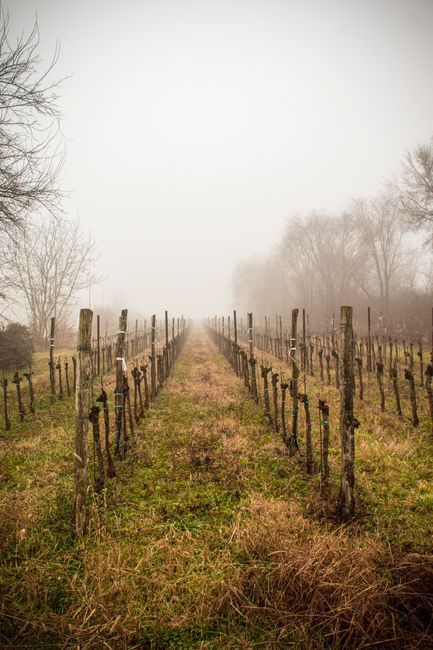
Foggy vineyard rows stretching into the distance under a pale sky

Is This a Real Risk for a Rancho Cucamonga or Inland Empire Vineyard This Year?

The good news, based on the most current federal outlook: Southern California's own fire potential for July through October 2026 is forecast as near normal across the region , according to the Southern Operations Predictive Services assessment issued June 30, 2026 — the agency that covers the Inland Empire, Los Angeles, and San Diego geographic areas. That outlook does flag above-normal monsoonal thunderstorm activity starting mid-July and a well-above-normal chance of remnant tropical cyclone moisture reaching Southern California this season, both of which bring lightning risk even when overall fire potential stays near normal.

The nuance that matters for your vines: smoke taint risk isn't limited to fires that start on your property or even in your county. Smoke drifts. Northern California's Sacramento Valley and Northern Sierra regions are projected to see above-normal significant fire potential this season, and a large fire anywhere upwind can push smoke into the Inland Empire during a multi-day event. "Near normal" locally does not mean "no exposure risk" — it means the odds of a fire starting in your immediate area are typical, not that smoke from elsewhere can't reach you.

The Testing Window That Actually Matters

If smoke does settle over your vineyard, timing your response correctly is everything. The veraison stage — when berries begin to soften and change color, typically starting in late July for most Southern California home vineyards — is the point after which smoke exposure becomes a genuine concern for finished wine quality. The Australian Wine Research Institute, one of the most cited authorities on smoke taint protocol worldwide, recommends that any vines exposed to smoke after the "cap-fall complete" growth stage (roughly the point when your fruit set is finished and berries are developing) be sampled and sent to an analytical lab for testing of smoke marker compounds — specifically volatile phenols and glycosides.

Critically, AWRI advises pulling those samples approximately three weeks before your planned harvest date , not after. That lead time exists for a reason: lab analysis, sample transport, and getting results back all take time, and you need the answer while you can still make a harvest decision — pick early, adjust your winemaking approach, or, in a worst-case scenario, decide the fruit isn't usable. Waiting until harvest week to test means you've lost the window to act on the results.

What NOT to Do After a Smoke Event

The instinct to hose down smoke-covered vines is understandable, but the research is blunt about it: it doesn't work, and it can backfire. Washington State University viticulture scientist Tom Collins, who studies smoke mitigation, has found that washing grapes is "generally ineffective" once smoke compounds have already been absorbed into the skin — which happens fast. Worse, Collins found that washing ash off the leaves while leaving the canopy in place can actually increase smoke compound levels reaching the fruit, rather than reduce them.

The same caution applies to protective sprays. Barrier treatments using kaolin or bentonite clay can meaningfully reduce smoke uptake when applied correctly — but Collins was direct about the risk of getting the follow-up wrong: "We actually see in the vines that were protected with the spray, if you don't wash it away it actually gets worse." In other words, a protective spray applied without the correct removal timing can trap compounds against the fruit rather than block them. This isn't a DIY-friendly window — it's the same precision we already apply to spray timing for powdery mildew, and it's exactly the kind of decision that benefits from someone managing your canopy management who already knows your vines' spray history and timing.

What's Actually Being Tested as a Real Solution

The most promising near-term development is still in the experimental stage, and it's worth being straight about that. UC Davis researchers Arpa Boghozian and Arran Rumbaugh are currently running a field trial behind the Robert Mondavi Institute for Food and Wine Science, intentionally exposing cabernet sauvignon and chardonnay vines under controlled hoop houses to smoke from oak, grass, and pine pellets, then testing whether a calcium spray — applied once at veraison and again two weeks later — reduces smoke compound absorption. Calcium is already known to strengthen grape skin and cell walls and support disease resistance, which is the working theory behind the trial. Results are expected to be published in late 2026 or early 2027, so this isn't a treatment you can rely on for this season, but it's the clearest sign yet that a genuinely preventive, spray-based option may exist within the next year or two.

Federal research funding behind this work has grown substantially: the USDA's Agricultural Research Service now devotes more than $5 million annually to wine grape smoke-exposure research, with cumulative funding exceeding $31 million across partnerships with UC Davis, Washington State University, and Oregon State University.

If Insurance Becomes Part of the Conversation

If a smoke event is significant enough that you're weighing a crop insurance claim, know that the paperwork bar is high — and that insurance standards haven't kept pace with the science. Crop insurance broker Kristine Fox of Relation Insurance explained that federal multi-peril crop insurance covers smoke exposure only from naturally occurring fires, explicitly excluding damage from controlled or prescribed burns. To file a claim, growers must document the damage, keep smoke-affected fruit in separate lots from unaffected fruit, provide evidence of rejected fruit or reduced sale prices, and submit laboratory testing results as proof. That last requirement is exactly why the three-week-before-harvest testing window matters even if you never intend to sell your grapes commercially — it's the same evidence trail that protects you if you ever need it, and it's information a licensed operation can help you assemble correctly.

How MyHomeVineyard.com Handles a Smoke Event for You

This is exactly the kind of decision our trifecta model exists for — the same reason clients already lean on us for managing threats like Pierce's Disease rather than guessing at a diagnosis alone. Because we handle vineyard management and operate a fully licensed Type 02 winery for private winemaking in-house, we're not guessing at what a smoke event means for your specific vines — we know your canopy history, your spray timing, and your harvest window, and we can coordinate lab testing before it's too late to act on the results. If your fruit does pick up some exposure, our winemaking side has options standard home winemaking doesn't: adjusting fermentation technique, and — for cases where oak character can help mask lighter smoke influence — accelerating oak integration through the ultrasonication process we already use to speed up barrel aging. A vineyard is a piece of productive art you're building for years, not just one vintage — a single smoke event shouldn't be the thing that undoes it.

If you're managing a vineyard on your own and a fire has burned anywhere near Southern California this summer, don't wait until harvest week to find out if it mattered. Book a vineyard consultation and we'll help you build a testing and response plan before veraison arrives.

Frequently Asked Questions

How do I know if my vines have been exposed to enough smoke to matter?
There's no visual test — ash on the leaves doesn't correlate reliably with how much smoke compound reached the fruit. The only reliable answer comes from lab analysis of grape samples for volatile phenols and glycosides, ideally pulled about three weeks before your planned harvest.

Can I just rinse the smoke off my grapes and vines?
No. Research from Washington State University has found rinsing generally ineffective once compounds are absorbed into the skin, and rinsing ash off leaves without removing the canopy can actually increase the smoke compounds that reach the fruit.

Is there a spray I can use to protect my vines right now?
Barrier sprays using kaolin or bentonite clay exist and can help, but they must be removed at the correct time — leaving them on too long has been shown to make smoke uptake worse, not better. The newer calcium-spray approach UC Davis is testing is still experimental and won't have published results until late 2026 or early 2027.

Recent Posts

By MyHomeVineyard.com September 9, 2026
Why does homemade wine taste bad? Sanitation gaps and unprotected fermentation windows cause most failed batches. MyHomeVineyard.com, SoCal's licensed winery, explains why. Book a consultation.
By MyHomeVineyard.com September 3, 2026
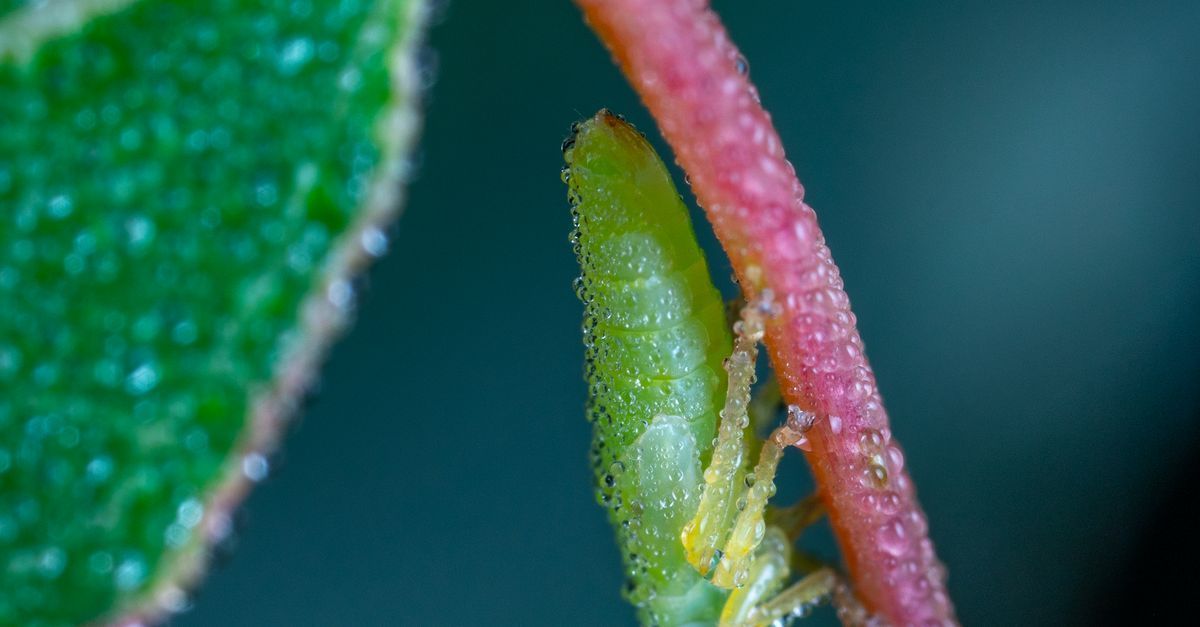
Glassy-winged sharpshooter was found on Costco desert willows sold in Orange, Riverside, and San Bernardino County this summer — a real Pierce's disease risk. MyHomeVineyard.com, SoCal's licensed vineyard management specialists, breaks down the CDFA alert and how to check your vines. Book a consultation.
Fine mesh bird netting draped over grapevine rows to protect ripening clusters in a Southern California home vineyard
By MyHomeVineyard.com August 27, 2026
Bird netting for Southern California home vineyards works best installed before veraison, not after — waiting even a week can cost you the harvest. See real California bird-damage data, netting types and costs, and proven alternatives like laser deterrents. From MyHomeVineyard.com, 13 years of SoCal estate vineyard expertise. Book a vineyard consultation.
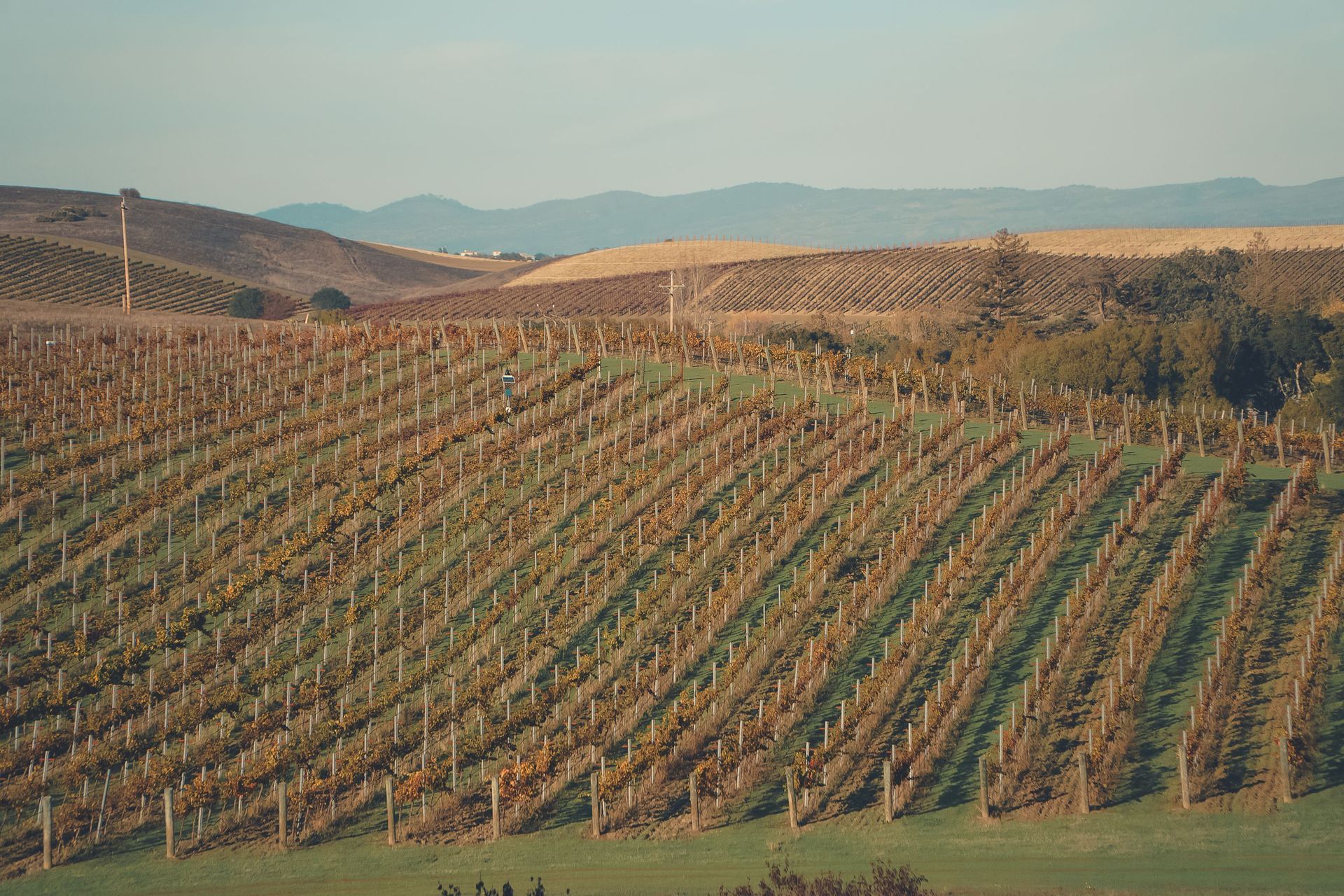
By MyHomeVineyard.com August 13, 2026
Home vineyard cost in Southern California isn't one number — Cornell and UC Davis cost-study data put commercial vineyard establishment above $20,000–$28,000 per acre, and backyard scale changes the math. MyHomeVineyard.com, 13 years of SoCal estate vineyard expertise, breaks down where the money actually goes. Book a vineyard consultation.
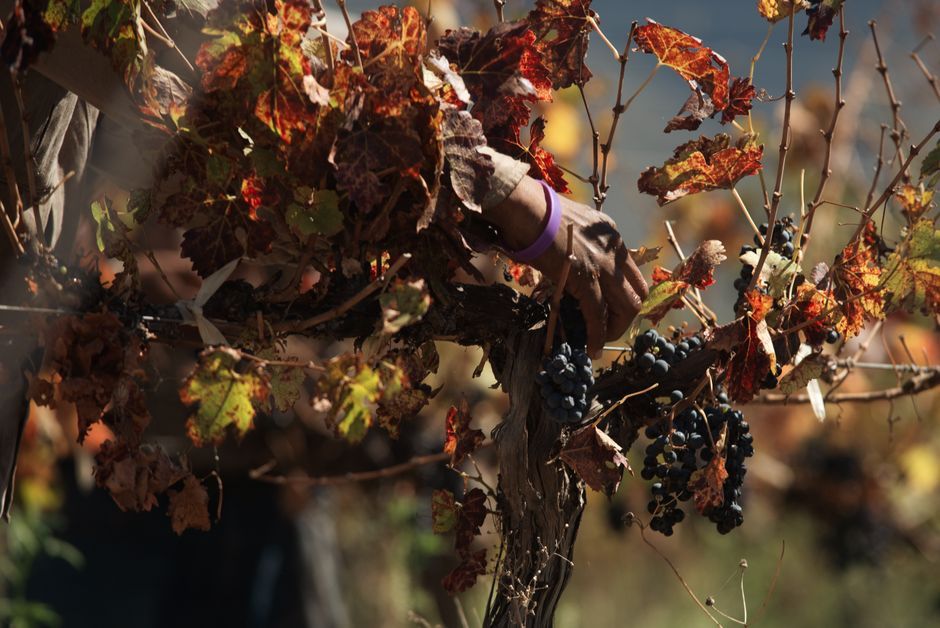
By MyHomeVineyard.com August 6, 2026
Most SoCal home vineyard grapes hit harvest-ready Brix between late August and early October. MyHomeVineyard.com — 13 years of SoCal estate vineyard expertise — explains how to test Brix, pH, and TA, what the numbers mean for your wine, and the heat-spike risk unique to inland California.
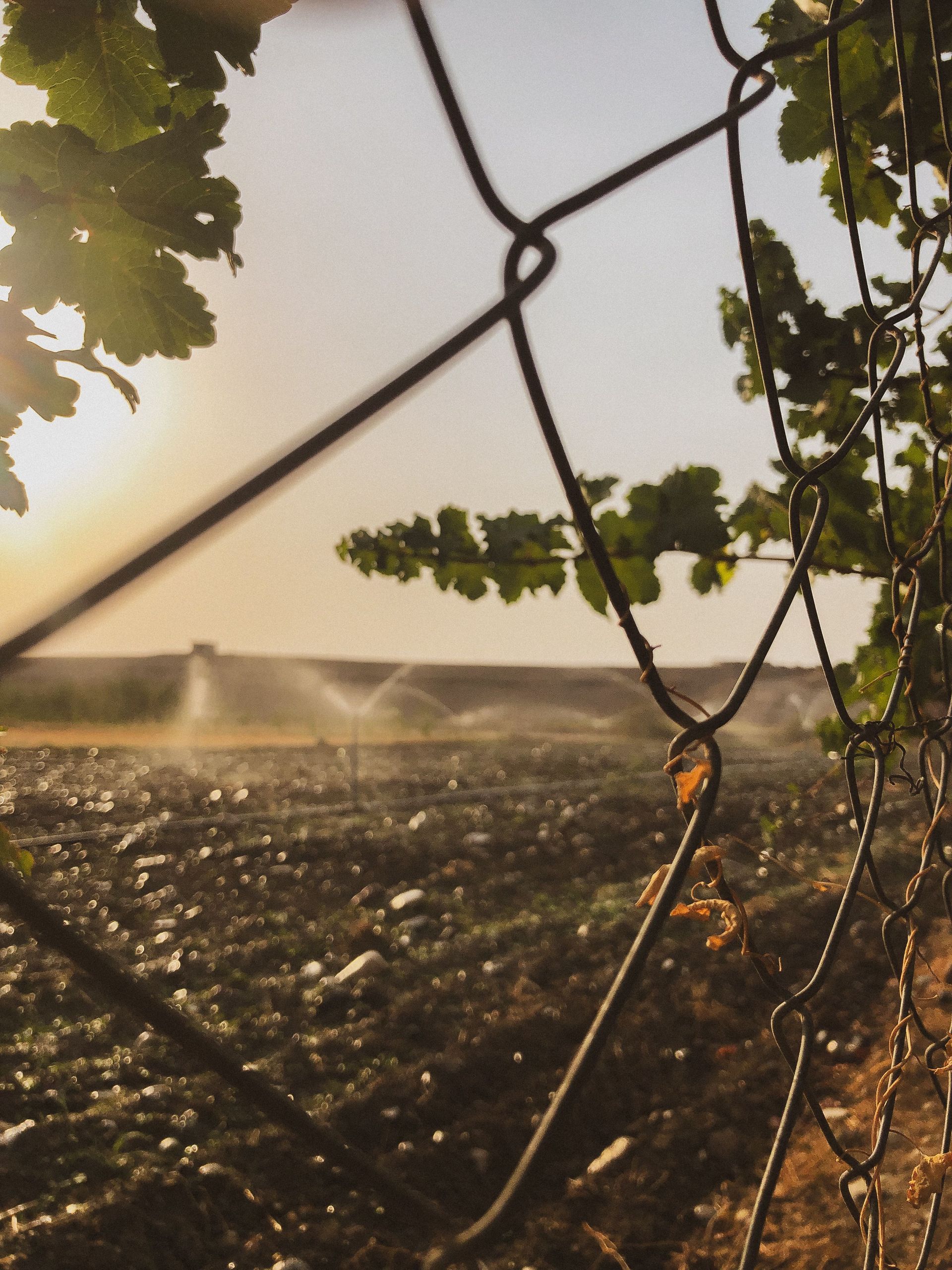
By MyHomeVineyard.com July 30, 2026
At summer's peak, a mature SoCal vine needs 4–10 gallons of water per day. Get the three-phase drip irrigation schedule UC Cooperative Extension recommends — plus how regulated deficit irrigation improves your wine. From MyHomeVineyard.com, 13 years of SoCal estate vineyard management. Get a custom plan.
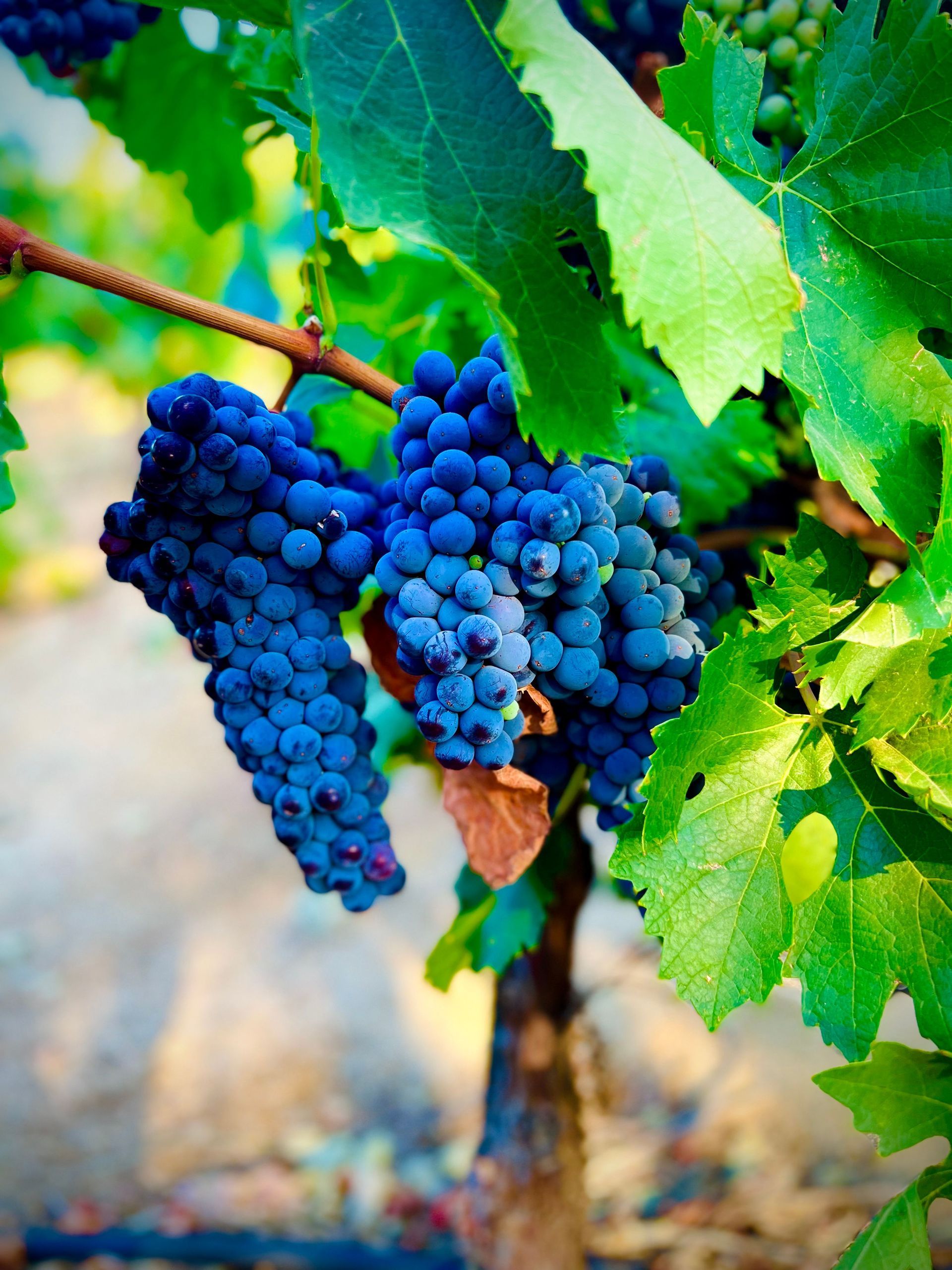
By MyHomeVineyard.com July 23, 2026
Cluster thinning is your most important management decision of the growing season — and in Southern California, late June through mid-July is the window. MyHomeVineyard.com — 13 years of SoCal estate vineyard expertise — explains exactly when, how, and how much to thin so the grapes on your property produce wine worth keeping. Get a custom management plan.
By MyHomeVineyard.com July 16, 2026
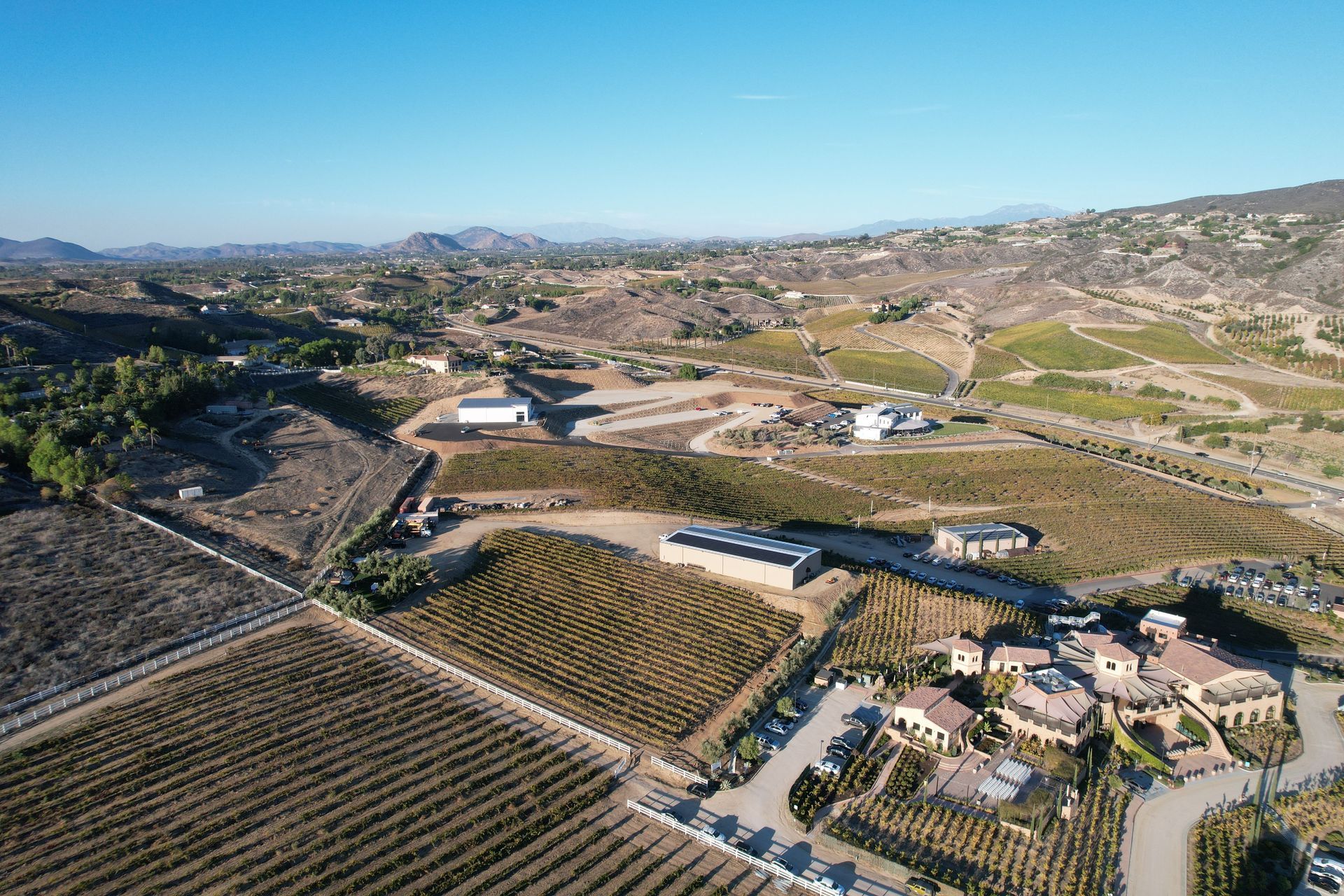
SoCal home vineyard heat waves trigger berry shrivel and sunburn fast. Learn pre-event irrigation, kaolin clay, and canopy strategies that protect your harvest.
By MyHomeVineyard.com July 9, 2026
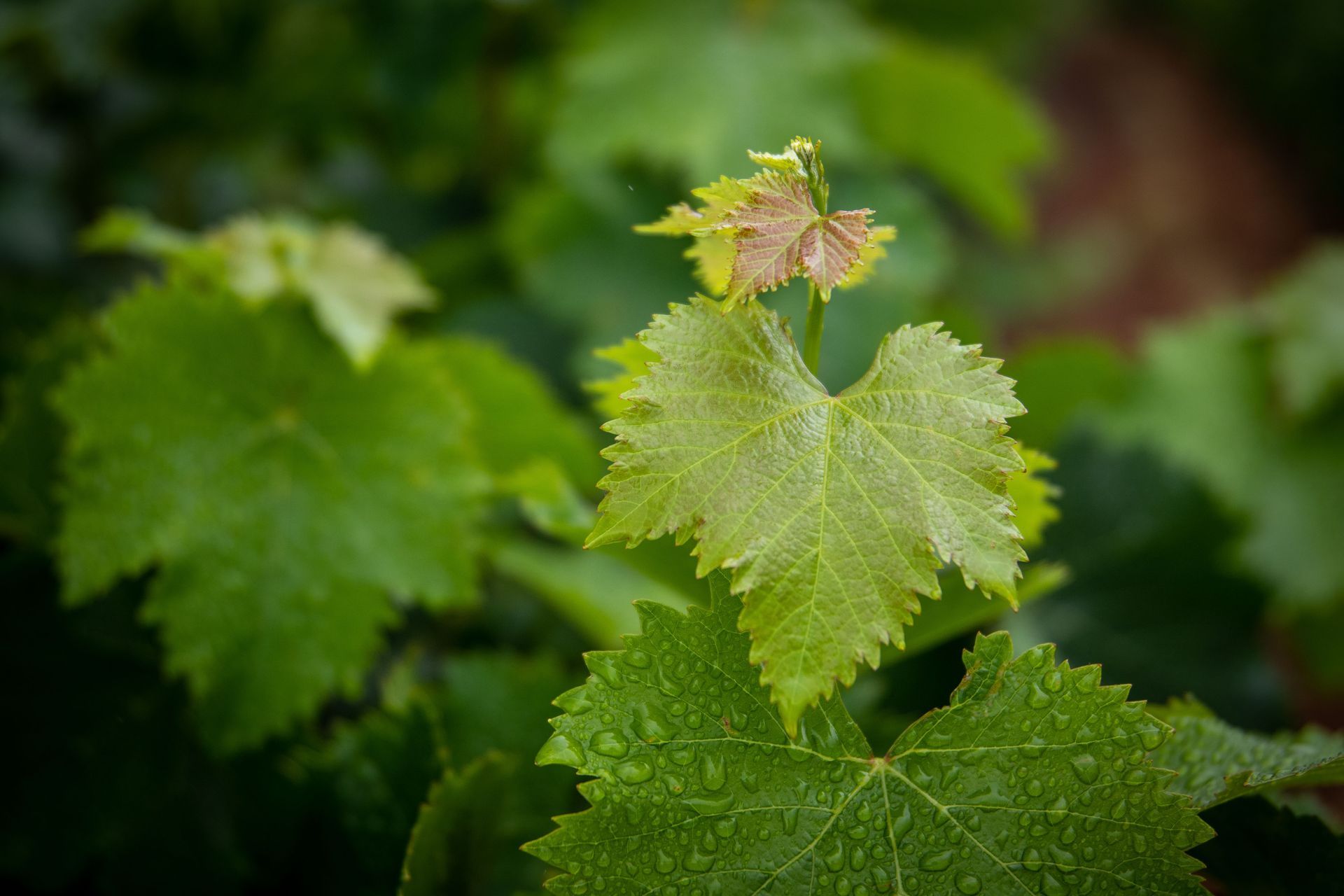
Pierce's Disease costs California more than $100 million per year and wiped out 30% of Temecula's vineyards in just two years. Learn the four diagnostic symptoms, the critical summer risk window, and how licensed vineyard management keeps your SoCal home vineyard effectively disease-free. From MyHomeVineyard.com — 13 years of SoCal estate vineyard expertise.
By MyHomeVineyard.com July 2, 2026
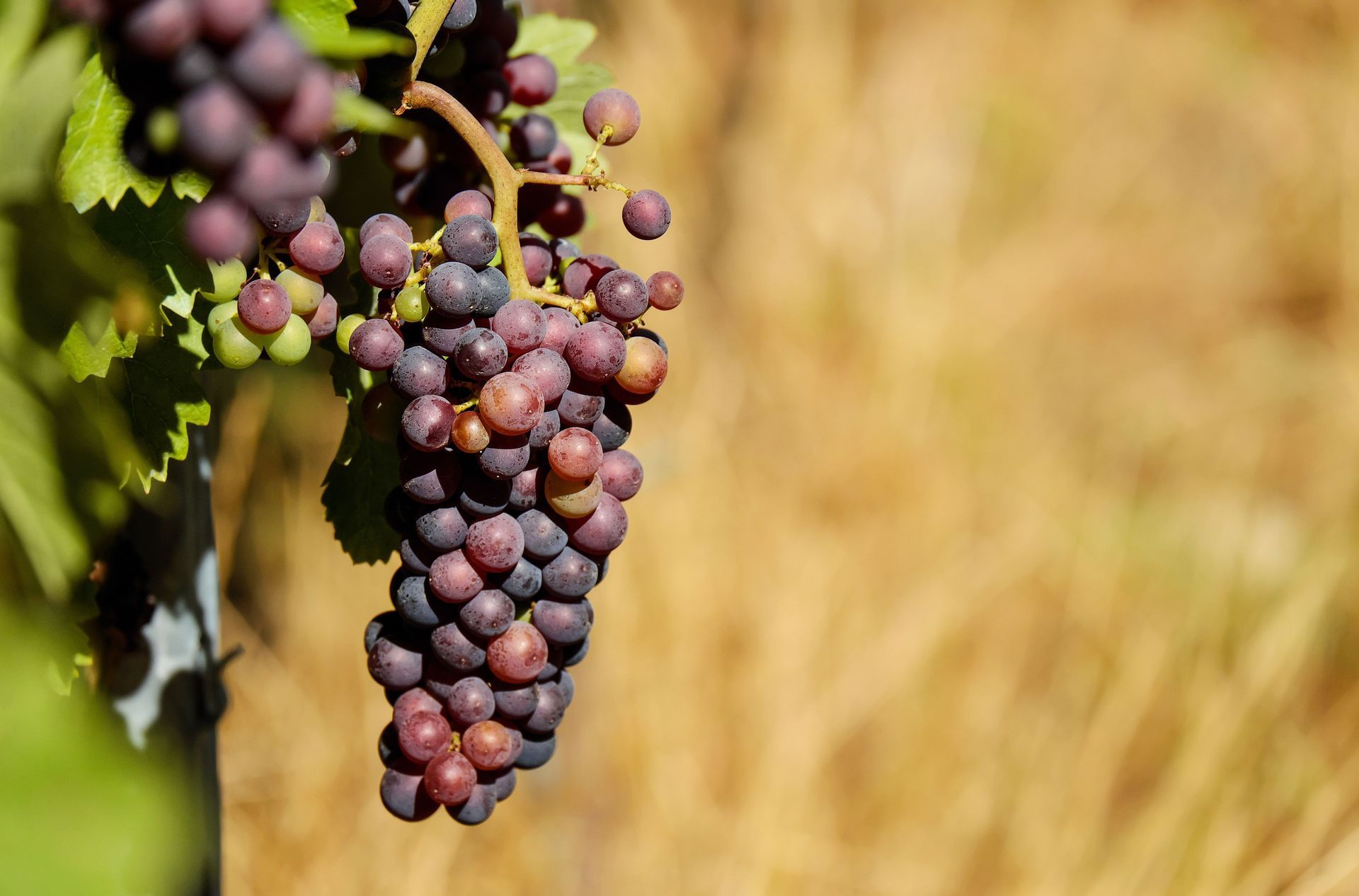
Veraison in Southern California home vineyards typically begins in late July — learn what to watch for by variety, how to adjust irrigation, and when to act on bird protection. Expert guidance from MyHomeVineyard.com — 13 years of SoCal estate vineyard experience.
Show More