Home Vineyard Canopy Management in Southern California: The June–July Guide

MyHomeVineyard.com • June 23, 2026

Share this article

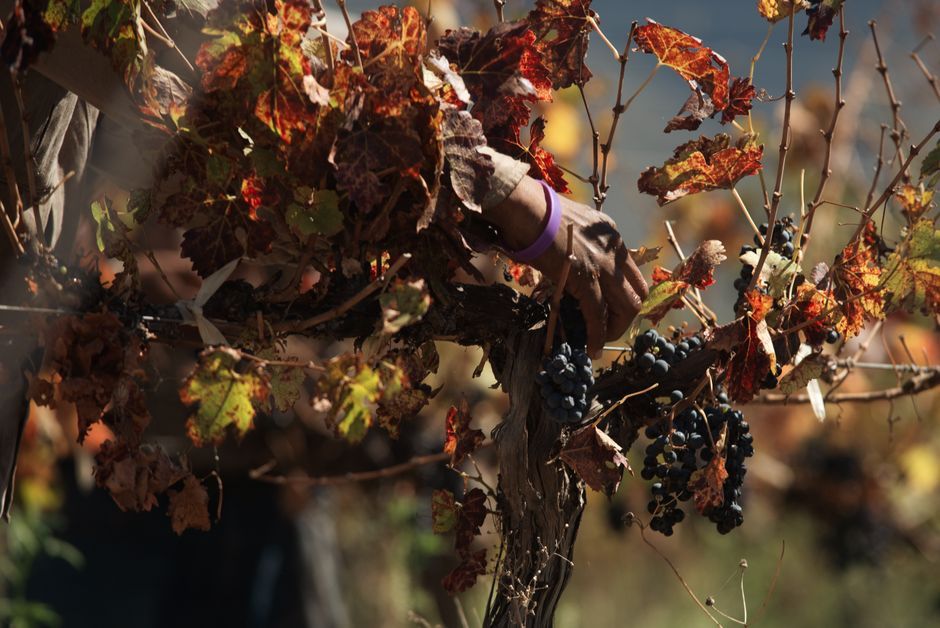
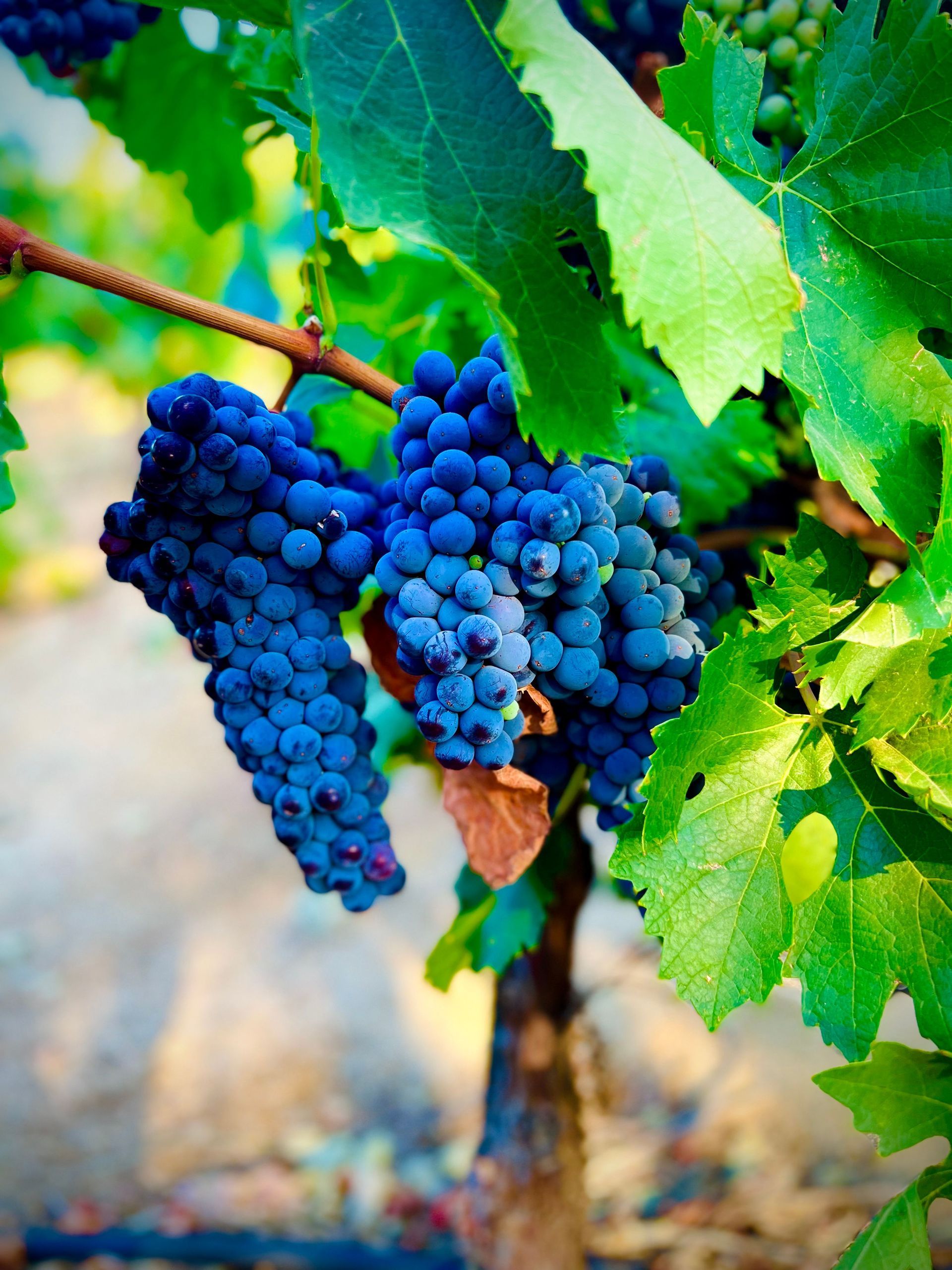
If you own a home vineyard in Southern California's Inland Empire — in San Bernardino, Riverside, or Orange County — the six weeks you're in right now are the most consequential of the entire growing year. Grapes have finished flowering. Berry clusters are swelling into their lag phase. And in roughly six to eight weeks, your vines will hit veraison — the dramatic pivot when red grapes begin to blush purple, sugars start climbing, and the race to harvest is officially on.

What happens in your canopy between now and veraison determines whether harvest rewards you or frustrates you. This guide covers what to actually do — and why SoCal home vineyard owners need to approach canopy management differently than the advice you'll find written for Oregon, New York, or even coastal California.

Why June and July Are the Critical Canopy Management Window in Inland SoCal

In Southern California's inland growing zones — Rancho Cucamonga, Temecula, the San Gabriel Valley foothills, and the Inland Empire broadly — summer arrives earlier and harder than in coastal appellations. By late June, daytime temperatures regularly exceed 90°F in the fruit zone. Soil surfaces radiate heat upward through the canopy. These conditions create a very different set of management priorities than what Napa or Sonoma growers face, let alone home vineyard guides written for temperate New England.

The canopy management window in SoCal is now — June — not July. According to WineMakerMag's seasonal guide for home vineyards , June is the month for leaf management, shoot positioning, and irrigation calibration. Grapes at this stage are hard green peas, having just completed the lag phase and beginning to swell toward final berry size. Veraison follows in July — and once it begins, major canopy interventions carry real risk.

The International Wine Challenge's guide to leaf removal best practices confirms: in hot inland sites, the premium is on disease reduction early and leaving protective shade later. Unacclimated berry clusters can sunburn within minutes once surface temperatures exceed roughly 40°C (104°F). Once berries are burned, there is no recovery — that fruit is lost for winemaking purposes.

The actionable conclusion for SoCal home vineyard owners: do your significant canopy work in June. By the time veraison starts, your canopy structure should be largely set. What follows is the specific sequence to follow.

Step One: Shoot Thinning and Positioning — the Structural Foundation

Before you touch a single leaf, the canopy architecture itself needs to be right. In vertical shoot positioning (VSP) systems — the most common training style for home vineyards throughout Southern California — shoots need to be tucked upright between your catch wires and thinned to prevent a crowded, disease-prone microclimate.

A shoot spacing of approximately 7 centimeters between shoots is a widely accepted target for VSP systems. Fruitful shoots (those bearing clusters) take priority; non-fruitful shoots that are crowding airflow without contributing fruit can be removed entirely. Shoot thinning also affects crop load — removing a fruitful shoot reduces the number of clusters the vine must ripen, which can improve fruit quality in vigorous vines.

For home vineyards in the Inland Empire, vine vigor varies substantially from property to property. A south-facing hillside in Claremont at 1,400 feet elevation behaves differently from a flat lot in Fontana at 900 feet — and both are different from a shaded backyard with clay soil in Riverside. This is exactly why MyHomeVineyard's vineyard management service builds a custom plan for each property rather than applying a calendar-based template.

The Lodi Growers' canopy management research notes that higher fruit zones offer meaningful advantages in hot California climates: better air movement through the cluster area, and greater separation from soil surfaces that radiate heat on summer afternoons. Keeping your fruiting zone elevated and your canopy upright is not just about trellis aesthetics — it's a heat and disease management strategy for inland SoCal conditions.

If your shoots are still flopping or tangling in late June, now is the time to position them between catch wires. Once a shoot lignifies (hardens into cane wood), repositioning becomes difficult and risks snapping the shoot entirely. Act before the wood hardens.

The SoCal Approach to Lateral and Leaf Removal: Why It's Different Here

This is the step where inland Southern California diverges most sharply from advice written for other regions — and where we see the most costly missteps from home vineyard owners following generic guidance.

In Oregon, upstate New York, and other cool, humid regions, standard canopy management involves removing both main leaves and lateral shoots from the fruit zone. The goal is maximum airflow and sunlight penetration to ripen fruit in a short, marginal season. That approach in Rancho Cucamonga in July would sunburn your clusters within days of opening the canopy — the sun intensity is simply too high.

California viticulture has adapted accordingly. As GuildSomm's expert viticulture guide explains it: "In California, where sunburn is a concern, we have moved to removing laterals to thin the canopy out a bit, but leaving the leaves for protection from the sun." Laterals — the secondary mini-shoots that emerge from the base of main shoot leaves — create dense, shadowed, humid canopy pockets that trap moisture and impede airflow without contributing meaningfully to photosynthesis. Removing them opens the canopy for better disease prevention while keeping the protective main-leaf layer intact against afternoon heat.

Here is the practical approach for June in a SoCal inland home vineyard:

  • Target laterals in the fruit zone first. Remove secondary shoots that have grown into the cluster space. Work a few inches above the clusters, allowing diffused light to filter down from above rather than direct afternoon sun blasting the fruit.
  • Leave main leaves in place as a protective shade layer. This is the opposite of what you'd do in Oregon — in SoCal, those leaves are sunscreen, not obstacles.
  • Do the work in early morning. Avoid opening the canopy during afternoon heat spikes. Berry surfaces that have been suddenly exposed during a 95°F afternoon are far more vulnerable than those exposed gradually in morning light when temperatures are still climbing.
  • Target 12–15 leaves per cluster. WineMakerMag's home vineyard guide establishes this as the benchmark for vine balance in any vineyard system. Fewer than 12 and your vine is under-assimilating sunlight; more than 15 and your canopy is likely too dense.
  • On north-south row orientations (the preferred alignment in warm California climates, as it balances heat load on both sides), you can afford slightly more openness on the east side (morning sun) while protecting the west side (brutal afternoon heat) more conservatively.

The discipline required here — removing enough to improve airflow but not so much that you expose clusters to full afternoon sun — is one reason home vineyard owners with more than a quarter-acre often find professional management worthwhile. Every property on the MyHomeVineyard portfolio gets a custom lateral removal protocol based on its variety, row orientation, and microclimate, not a calendar date.

Crop Load Assessment: Green Harvesting Before Veraison

The other major June–July decision is whether your vine is carrying more fruit than it can fully ripen. Overcropped vines will produce a large volume of underripe, unbalanced fruit at harvest — no matter how carefully you managed the canopy. The time to correct this is now, before veraison begins.

Signs your vine may be overcropped:

  • Short shoot growth (under 60 cm) relative to the number of clusters on each cane, suggesting the vine's energy is split too many ways
  • Clusters packed so tightly on the shoot they touch each other with minimal airspace between
  • A canopy that looks overwhelmed — fruit dense enough that the vine seems to be struggling to push it

If you're seeing these signals, green harvesting — removing excess clusters before they begin softening — lets the vine redirect its resources. Research from Cornell University confirms that fruit thinning done between fruit set and the start of veraison can produce noticeably larger, better-developed berries on the clusters that remain, as the vine concentrates assimilates into fewer sinks. After veraison, the benefits of thinning diminish substantially — the vine is no longer in the cell-division phase of berry development where resources are actively redirected.

Remove clusters from the interior of the canopy first — those sitting in deep shade that would ripen unevenly regardless — before touching well-positioned clusters receiving good light exposure. A rough field target: 3–4 clusters per shoot is a manageable crop for most SoCal wine grape varieties at standard spacing. If you are well above that on a vigorous vine, thinning is worth serious consideration before the veraison window closes.

How Canopy Work Connects to Pierce's Disease and Mildew Management

Dense canopies do more than impair ripening — they create precisely the shaded, humid, low-airflow microclimate where both powdery mildew and the glassy-winged sharpshooter (the primary vector for Pierce's Disease in Southern California) prefer to operate. The physical work described in this guide is your first tier of defense against both threats.

Every lateral removed from the fruit zone in June reduces humidity in the cluster space and increases airflow — measurably reducing the conditions that powdery mildew needs to colonize clusters. For inland SoCal vineyards, where the brand of mildew risk differs from coastal areas (as MHV founder Clayton notes, "the hardest vineyards to manage are those with a high Mildew Index — coastal, tropical climates — due to mold infestation"), the inland heat actually works in your favor once the canopy is open enough to ventilate.

For a deep dive into managing Pierce's Disease in Southern California vineyards — including the licensed bacteriophage treatments and injection systems now available — see our dedicated guide. Pierce's Disease management requires both early detection and the kind of licensed application capabilities that most homeowners don't have access to on their own. MyHomeVineyard holds the specific licenses and training required to treat it.

Irrigation in June: Don't Undo Your Canopy Work

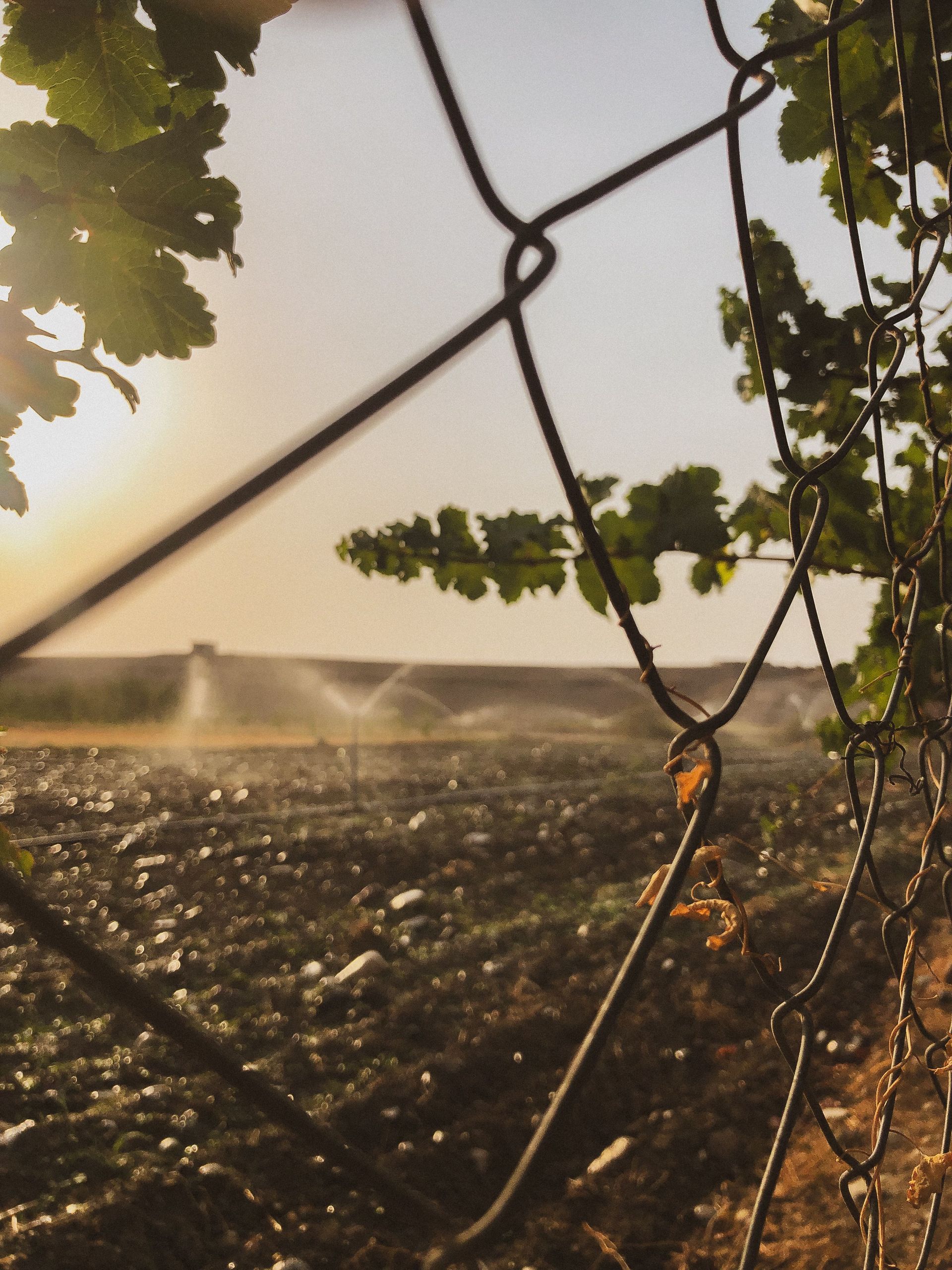
Canopy management does not happen in isolation from water management. In inland SoCal, June through August is dry season — virtually every gallon of water your vineyard receives is through supplemental drip irrigation. Getting the irrigation wrong during this period can undo the canopy discipline you've worked to achieve.

The risk post-fruit set is over-irrigating, which pushes excess shoot growth and renewed canopy density — the exact condition you just worked to control. Under-irrigating stresses the vine and can trigger premature berry shrivel before veraison. The target is deficit irrigation: keeping the vine in slight, managed water stress that slows vegetative growth without triggering drought stress symptoms like shoot tip die-back or leaf curl.

WineMakerMag's seasonal guide identifies June watering as a companion task to canopy work, not an afterthought: "Canopy management: tidy up leaf plucking and shoot positioning, fine-tune watering schedule according to soil type and rainfall." For SoCal home vineyard owners, this means checking soil moisture at 12- and 24-inch depths weekly and adjusting drip output by soil type — sandy Riverside soils drain three to four times faster than the clay-loam soils common on San Bernardino County hillsides.

If you would like a professional assessment of your irrigation schedule alongside this summer's canopy management, our vineyard consultation service covers both. Custom irrigation plans are part of every full management program MHV provides — because no two SoCal vineyards have identical water needs, even at similar acreage.

Preparing for Veraison: What You Are Building Toward

All of the June work described here serves a single purpose: setting up the canopy for the transition into ripening season. When veraison begins — typically mid-July for early varieties like Pinot Gris, extending into early August for Cabernet Sauvignon and Grenache in most Inland Empire sites — the vine shifts its priorities from vegetative growth to sugar accumulation. From that moment, your canopy should be largely stable and set.

After veraison, leaves that have been providing protection all summer become even more valuable. Berries accumulating sugar are simultaneously the most flavor-rich and the most vulnerable to heat damage. Major canopy interventions post-veraison risk the harvest. The adjustments you make now — while the vine is still in active shoot growth, before the ripening cycle begins — are the interventions with the highest payoff.

For home vineyard owners who have been building toward a first bottle of estate-grown private label wine , the quality of what ends up in your glass traces directly back to decisions made in June and July. The clusters hanging in your vineyard this week are the same ones that will become your wine in October or November. The microclimate you create for them now is what they ripen into. A vineyard that hits veraison with an open, balanced, well-positioned canopy and an appropriately sized crop load is a vineyard that gives you options at harvest. A vineyard that hits veraison overcropped and dense gives you hard choices.

MyHomeVineyard has been building and managing estate vineyards across Southern California for 13 years — from the first post in the ground to the last bottle off the bottling line. If you want a licensed set of eyes on your canopy before veraison, schedule a property visit. There's still time to make June count.

Frequently Asked Questions

When is the best time to do leaf removal in a Southern California home vineyard?

In inland SoCal, the best window for canopy management is at or just after fruit set — typically mid-to-late June. Avoid aggressive canopy opening in July and August, when cluster surface temperatures can exceed 104°F and sunburned berries cannot be recovered. The adapted California strategy is to remove laterals (secondary shoots) rather than main leaves, improving airflow while keeping protective shade in place over the clusters.

How do I know if my grapevines are overcropped?

Look for short shoot growth relative to the number of clusters per cane, clusters that are physically touching each other with no air space between, and a general sense that the canopy looks strained. A field benchmark: 3–4 clusters per shoot is manageable for most SoCal wine grape varieties at standard vine spacing. If you're significantly above that, green harvesting before veraison is worth considering.

When does veraison happen in Southern California?

In most inland SoCal growing areas — San Bernardino, Riverside, Orange County — veraison begins mid-July for early-ripening varieties and can extend into early August for later varieties like Cabernet Sauvignon. Vineyards at higher elevations or in cooler microclimates (shaded aspects, north-facing slopes) tend to run one to two weeks later. Veraison is the signal that the ripening cycle has begun and that major canopy interventions should stop.

Do I need a professional for summer canopy management?

Basic tasks like shoot positioning and lateral removal can absolutely be done by an engaged homeowner — once you understand the SoCal-specific principles covered in this guide. What's harder without professional calibration is knowing how your specific variety, soil, slope, and irrigation schedule interact and how to read your vine's signals accurately. If you're seeing unusual vigor, unexpected disease pressure, or poor berry development, that's when to bring in help. And if Pierce's Disease is in the picture, licensed treatment is required — it's not something you can manage with off-the-shelf products.

Recent Posts

By MyHomeVineyard.com June 23, 2026
Planning a home vineyard in Southern California? Discover which wine grape varieties actually thrive in SoCal's inland heat zones — and why Pierce's disease pressure changes the selection entirely. 13 years of SoCal estate vineyard expertise from MyHomeVineyard.com.
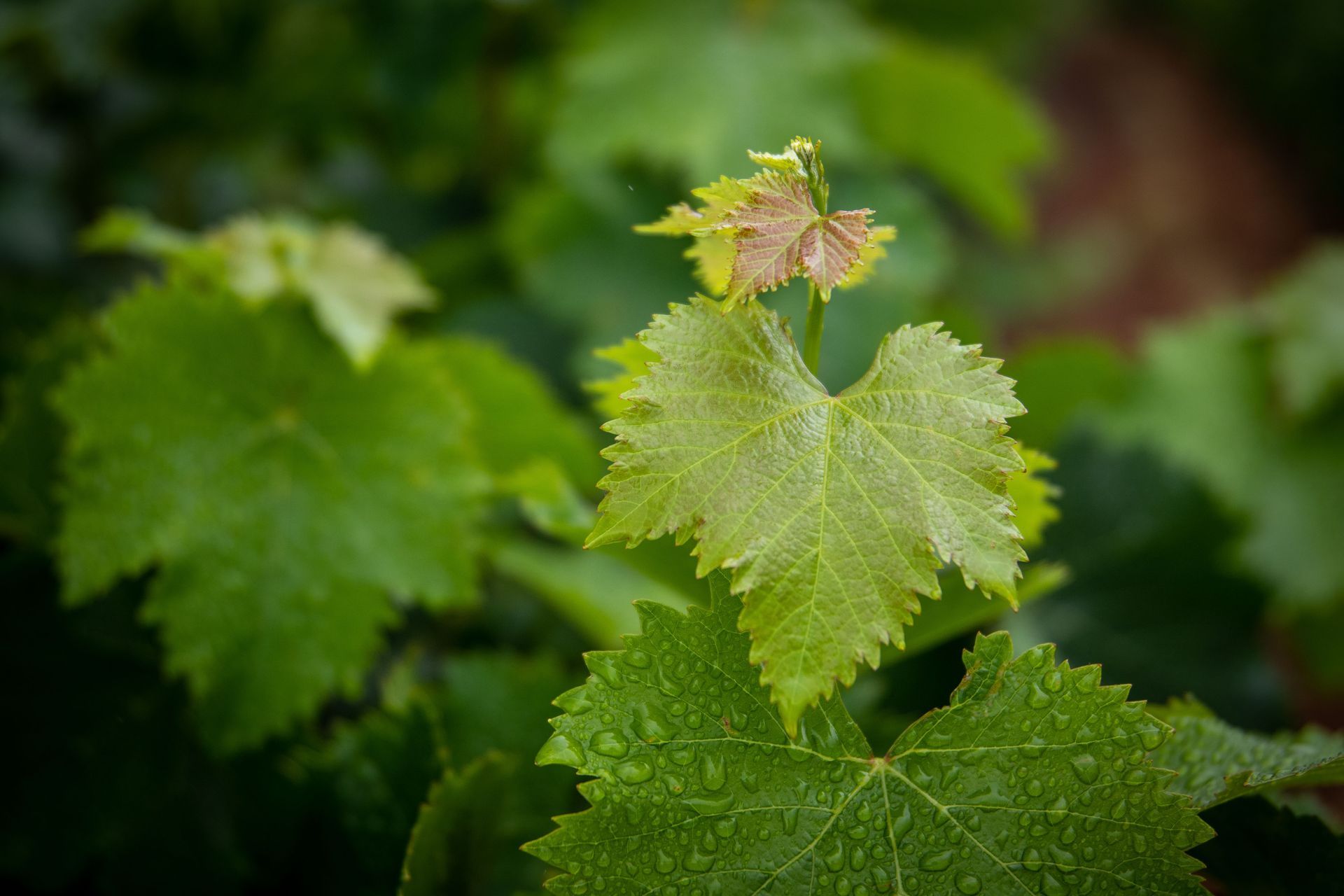
Close-up of green grapevine leaves on a trellis in a Southern California estate vineyard
By MyHomeVineyard.com June 23, 2026
Powdery mildew (Erysiphe necator) is the leading disease threat to SoCal home vineyards — and by the time you see white fuzz, the damage is done. Learn the UC Davis Risk Index, spray timing protocols, and canopy practices that protect your harvest. MyHomeVineyard.com — 13 years of SoCal estate vineyard expertise.
By MyHomeVineyard.com June 19, 2026
Peer-reviewed research shows ultrasonication can accelerate wine oak aging 3-4x and improve sensory scores by 25%. Here's what the science says and how home winemakers can use it.
Residential vineyard rows on a Southern California hillside with trellis and drip irrigation
By MyHomeVineyard.com June 17, 2026
Planning a home vineyard in Southern California? This complete cost guide covers installation, annual management, and private winemaking — with real data from UC Cooperative Extension studies and 13 years of SoCal estate vineyard experience.
A dormant vineyard with bare grapevines on trellises, set against a backdrop of rolling green hills under a bright sky.
By MyHomeVineyard.com April 14, 2026
Learn about the breakthrough XylPhi-PD bacteriophage treatment that's saving infected vines in Southern California. Includes real field trial results, application methods, and expert guidance.
Vine rows in a sunlit vineyard set against a mountain backdrop under a clear blue sky.
By MyHomeVineyard.com March 31, 2026
Powdery mildew is the #1 threat to SoCal home vineyards. Learn what homeowners can legally spray in California, what requires a license, and why professional management simplifies compliance.
By MyHomeVineyard.com March 27, 2026
Want to sell wine from your Southern California home vineyard? Here is exactly what federal law allows, what California's ABC Type 02 license requires, and the realistic path forward.
Aerial view of a residential swimming pool area surrounded by trees, sidewalks, and suburban homes.
By MyHomeVineyard.com March 26, 2026
Can your HOA block your home vineyard in Southern California? Learn exactly what California Civil Code Section 4735 protects and what your HOA can still legally control.
Vibrant green grapevines grow in neat rows along a dirt path, with a large, rugged mountain range in the distance.
By MyHomeVineyard.com March 25, 2026
Planning a home vineyard in Southern California? Get the facts on permit requirements in LA, San Bernardino, Riverside, and San Diego Counties — with links to official county resources.
Sprinklers mist a vineyard in front of a mountain range under a bright, sunny sky.
By MyHomeVineyard.com March 25, 2025
Grapevines use a fraction of the water a lawn does. Learn how California water restrictions, AB 1572, tiered pricing, and SGMA make a drip-irrigated vineyard the smart choice for SoCal homeowners.