

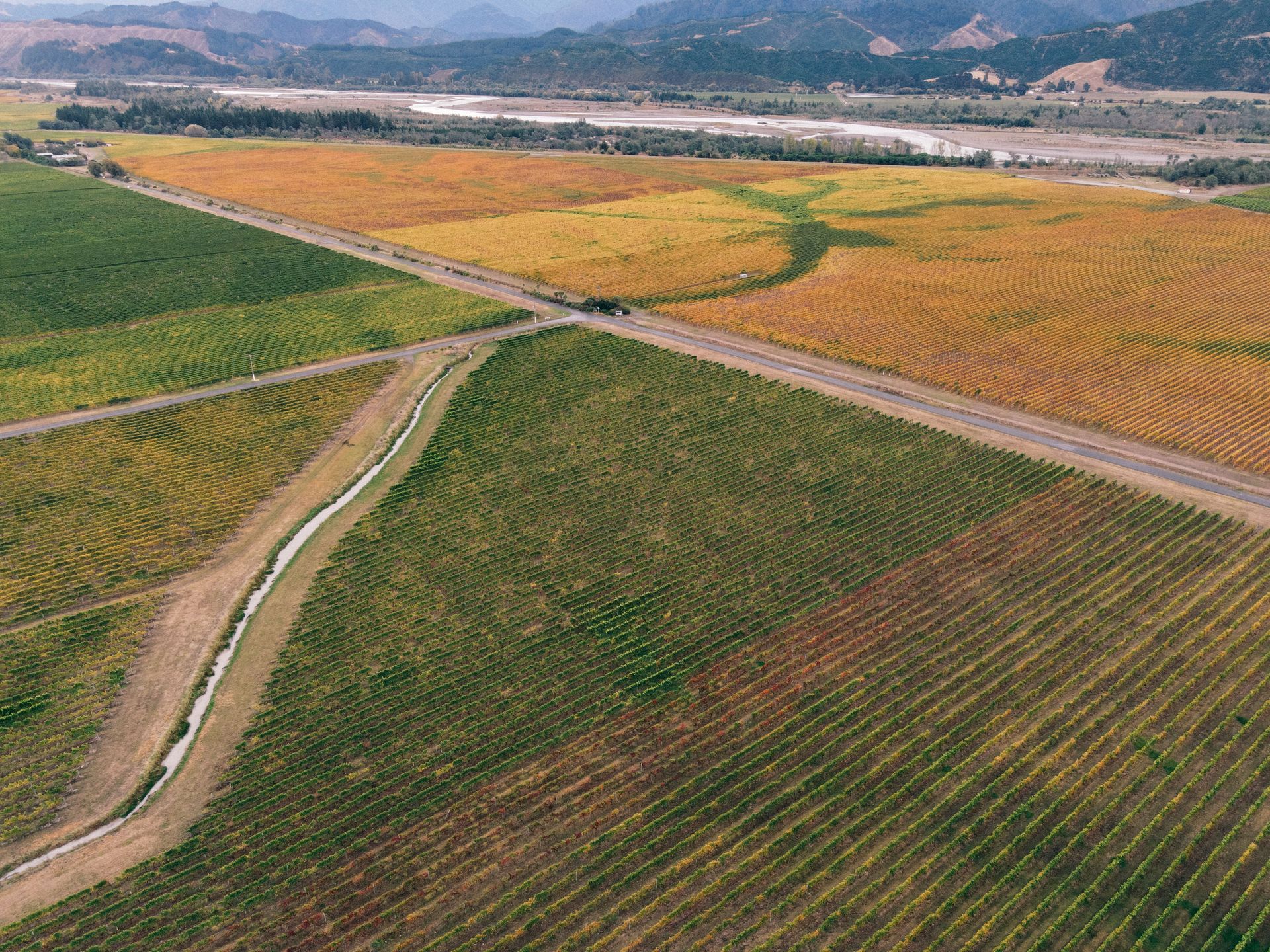
Pesticide Regulations for Backyard Vineyards in California: What You Can Spray, What Requires a License

MyHomeVineyard.com • March 31, 2026

Share this article

If you have a home vineyard in Southern California, powdery mildew is not a question of if — it is a question of when. The fungus Erysiphe necator (formerly Uncinula necator ) is the single most persistent and destructive disease problem facing California grapevines, and Southern California's warm days, cool nights, and Mediterranean climate create conditions where it can flourish from budbreak through harvest. Left unmanaged, it stunts berry development, reduces sugar content, creates off-flavors in wine, and can devastate an entire season's fruit in weeks.

But managing powdery mildew means using pesticides — and in California, pesticide use on an agricultural commodity like grapevines is governed by one of the most comprehensive regulatory frameworks in the United States. Understanding what you can legally spray, what requires a license, and where the line is between general-use homeowner products and restricted materials is essential for any SoCal vineyard owner.

This article walks through California's pesticide regulatory structure, the specific fungicides approved for powdery mildew control on grapevines, and why professional vineyard management is frequently the most practical path to both compliance and effective disease control.

Why Powdery Mildew Is the #1 Threat to Southern California Home Vineyards

Powdery mildew has been present in California vineyards since commercial grape growing began more than a century ago. According to UC Davis plant pathologists, it is without question the most enduring and persistent disease problem facing Vitis vinifera grapevines — the European wine grape species grown in virtually every Southern California estate vineyard. The impact of a powdery mildew infection depends heavily on when it occurs: early fruit infections cause stunted berries, scarring, and off-flavors in wine, while late-season infections reduce the storage life of grapes and impair the photosynthesis that drives sugar accumulation. ( Source: UC Davis / American Phytopathological Society )

In Southern California, the disease triangle — susceptible host, virulent pathogen, favorable environment — closes reliably every spring. Infection occurs when free moisture from fog, dew, or rain wets vine tissue, followed by 10 to 13 hours of leaf wetness at temperatures between 50°F and 80°F. With coastal marine layer intrusion common from the Inland Empire to the foothills above Los Angeles, those conditions often occur repeatedly from March through June. Once established, ideal temperatures for powdery mildew growth are between 70°F and 85°F — which describes a Southern California spring and early summer almost perfectly. ( Source: UC IPM Grape Pest Management Guidelines )

The disease can affect all succulent vine tissue: leaves, stems, shoots, and fruit clusters. Early season colonies on basal leaves spread conidial spores to new growth throughout the canopy, and once an epidemic is established it requires active management every 7 to 14 days through fruit set and beyond. Season-long control depends on reducing early inoculum and maintaining a protective spray program from budbreak through veraison — which means vineyard owners need to understand exactly what they can and cannot spray legally.

California's Pesticide Regulatory Framework: Three Tiers Every Vineyard Owner Must Understand

California has the most comprehensive pesticide regulatory system in the United States, with oversight operating at three levels: federal (U.S. EPA under FIFRA), state (California Department of Pesticide Regulation, or CDPR), and county (County Agricultural Commissioners, or CACs). Understanding which tier governs your spray program is the starting point for legal compliance.

At the federal level, the EPA classifies all pesticides as either General Use or Restricted Use. General use pesticides can be purchased and applied by any member of the public without a license, as long as label directions are followed. Restricted use pesticides (RUPs) may only be purchased and applied by certified applicators or persons under their direct supervision. California adds a further layer: the state has its own list of California Restricted Materials (CRMs), which require both certified applicator status and a permit from the County Agricultural Commissioner before they can be used. ( Source: Yolo County Agricultural Commissioner )

California is the only state in the country with this county-level permitting system. It means that even if a pesticide is registered for use nationally, a California user may face additional county-level requirements that don't exist anywhere else. For vineyard owners in Los Angeles, San Bernardino, Riverside, or San Diego counties — the four primary SoCal markets served by MyHomeVineyard.com — the relevant County Agricultural Commissioner's office is the local authority on what is and is not permissible in your specific location.

The Operator ID Requirement: What "Agricultural Commodity" Means for Your Vineyard

Here is where home vineyard owners frequently encounter regulatory complexity they did not anticipate. When grapes are grown for any purpose beyond purely ornamental use — including for personal winemaking or eventual sale — they qualify as an agricultural commodity under California law. That classification changes the rules.

According to California's pesticide use reporting regulations (3 CCR Section 6622), any person who uses pesticides to produce an agricultural commodity is required to obtain an Operator Identification Number (OIN) from the County Agricultural Commissioner in each county where they apply pesticides. The OIN is free, but it is required before purchasing pesticides at agricultural-use concentrations from a licensed pest control dealer or before applying most pesticides to a crop for production purposes. ( Source: Mariposa County Agricultural Commissioner, summarizing 3 CCR 6622 )

Importantly, growers are also required to submit monthly Pesticide Use Reports to the County Agricultural Commissioner by the 10th of the month following any pesticide application. This requirement applies to all pesticide applications in production agriculture — including sulfur, which many homeowners assume is unregulated because it is sold over the counter at garden centers. ( Source: CDPR Pesticide Use Reporting Overview )

The practical takeaway: if you are growing grapes with any intent beyond purely decorative landscaping, you are likely operating in production agriculture territory under California law, and the OIN and use reporting requirements apply to you. This is a paperwork obligation, not a prohibition — but failing to comply can result in enforcement action by the CAC.

What Homeowners CAN Legally Spray: General Use Products for Powdery Mildew

The good news is that the most effective frontline tools for managing powdery mildew on grapevines are general use products available at any garden center — and they have been used in vineyards for well over a century. The UC Statewide IPM Program and UC Cooperative Extension identify the following as the core general-use options for home vineyard powdery mildew control:

Sulfur. Wettable sulfur is the foundational material for powdery mildew control in California vineyards. It has been used since commercial viticulture began in the state and remains the backbone of both organic and conventional spray programs. According to UC IPM's Grape Pest Management Guidelines, sulfur and horticultural oil are acceptable on organically certified grapes and are available without a license. Wettable sulfur formulated with a surfactant (such as Safer Garden Fungicide) provides the best results for home use. Critical application constraints from UC IPM: do not apply sulfur when temperatures are at or above 90°F, and never apply sulfur within two weeks of a horticultural oil spray, as the combination can severely damage vine tissue. ( Source: UC IPM Grape Pest Management Guidelines )

Horticultural oils. Petroleum-based horticultural oils (such as JMS Stylet Oil, Sunspray Ultra-Fine, or Monterey Horticultural Oil) and plant-based oils (neem oil, jojoba oil) are effective eradicants — meaning they work on existing infections — in addition to having some protective activity. According to UC IPM, a light summer oil can be used at any point in the season if no sulfur residue is present from a recent application. Do not apply oils when temperatures exceed 90°F or to water-stressed vines. ( Source: UC IPM Fungicides for Powdery Mildew )

Myclobutanil (e.g., Immunox). This systemic fungicide, available to home gardeners in retail formulations, functions as both an eradicant and a protectant against powdery mildew. It is available without a license at the consumer formulation concentrations sold in home and garden stores. Note: agricultural-concentration formulations of myclobutanil and related sterol biosynthesis inhibitor (SBI) fungicides are generally restricted to licensed applicators — label directions must be followed exactly, and the specific product's label governs legal use.

Biological fungicides (Bacillus subtilis, e.g., Serenade). UC IPM lists Serenade Max and Sonata as acceptable for organically certified grapes. These products are available without a license and function as preventive treatments. They are less effective than sulfur or oils as standalone options under high disease pressure but are useful in rotation as part of a resistance management program.

What Requires a License: Restricted Materials and Professional Products

Several of the most effective powdery mildew fungicides available to commercial vineyards are restricted to licensed applicators only and are not available to homeowners without certification. Understanding this boundary is important because applying a restricted material without the appropriate license and county permit is a violation of California law that can result in civil penalties, license revocation (if applicable), and in serious cases, criminal prosecution. ( Source: FieldRoutes, citing CDPR regulations )

Potassium bicarbonate (e.g., Kaligreen, MilStop). Potassium bicarbonate is a highly effective eradicant that can knock back established powdery mildew infections. However, UC IPM explicitly notes that it "is available to licensed applicators only" in several published guidance documents. The UC Master Gardener program of Contra Costa County confirms: "Potassium bicarbonate is only available to licensed applicators." Homeowners who purchase and apply these products without a license are in violation of California pesticide law. ( Source: UC Master Gardeners Contra Costa / UC IPM )

Agricultural-grade SBI fungicides (trifloxystrobin, azoxystrobin, tebuconazole, and related systemic fungicides). The professional-grade sterol biosynthesis inhibitor and QoI fungicides used in commercial vineyard spray programs are either federally restricted use products or California restricted materials that require a certified applicator license and county permit. These materials are highly effective but not available to homeowners at agricultural concentrations.

Copper-based materials at agricultural concentrations. Some copper formulations are available for home use at limited concentrations, but agricultural-grade copper fungicides require the same OIN, permit, and reporting framework as other restricted materials.

The dividing line is straightforward: products sold at retail garden centers in consumer formulations, labeled for home and garden use, can generally be applied by homeowners following label directions. Products available only from licensed pest control dealers, in agricultural concentrations, or carrying restricted use designations require appropriate licensing and county permitting.

Resistance Management: Why Rotation Matters and When Programs Become Complex

One of the most important — and often overlooked — aspects of powdery mildew management in vineyards is fungicide resistance. UC Davis plant pathologists documented resistance to the SBI fungicide triadimefon (Bayleton) in California vineyards as early as 1986, less than five years after that class of chemistry was introduced. Since then, resistance management has become a core component of professional vineyard spray programs throughout the state. ( Source: UC Davis / APS )

According to UC IPM's Grape Pest Management Guidelines, alternating fungicides with different modes of action is essential to prevent pathogen populations from developing resistance. The guidelines recommend against sequential sprays of products in the same FRAC (Fungicide Resistance Action Committee) mode-of-action group, and specifically caution that rotating among products to which resistance has already developed is not an effective resistance management strategy. ( Source: UC IPM Grape Fungicide Resistance Management )

For a homeowner working only with general use products — sulfur, horticultural oils, myclobutanil, and biological fungicides — rotation options are limited. The most effective professional spray programs rotate across four or five FRAC groups throughout the season, incorporating both restricted-material systemic fungicides and general-use contact materials in a scientifically informed sequence. Achieving that level of program sophistication legally, without the access to restricted materials that comes with licensed applicator status, is a real constraint for home vineyard owners managing their own spray programs.

The UC Davis Powdery Mildew Risk Index: The Professional Tool for Timing Decisions

One of the most valuable resources available to California vineyard managers — commercial and residential alike — is the UC Davis Powdery Mildew Risk Assessment Index. The model uses actual temperature data from weather stations throughout California to calculate disease pressure and recommend spray intervals. It assigns index points based on consecutive days with six or more continuous hours of temperatures between 70°F and 85°F in the vine canopy, and provides guidance on when to shorten or lengthen spray intervals based on current pressure levels. ( Source: UC IPM Grape Powdery Mildew Risk Assessment Index )

UC Cooperative Extension advisors and professional vineyard managers in Southern California use this index routinely to calibrate spray timing. The practical benefit is significant: a well-timed spray program based on actual disease pressure can reduce total fungicide applications by 30–40% compared to calendar-based spraying, while maintaining effective protection. A poorly timed program — spraying too late after infection is established, or missing the critical early-season window — can result in season-long disease problems regardless of which products are used.

Professional vineyard managers have both the license access to the full arsenal of registered fungicides and the expertise to integrate the Risk Index into a defensible, season-long spray calendar. For a home vineyard owner managing their own program, this is one of the strongest arguments for professional assistance: the disease management knowledge base, not just the product access, is the differentiating factor.

County-Specific Considerations for SoCal Vineyard Owners

The four primary Southern California counties where residential estate vineyards are most commonly installed each have their own County Agricultural Commissioner's office, and each may have supplemental regulations or county-specific permit conditions beyond the baseline state requirements.

Los Angeles County: The LA County Agricultural Commissioner / Weights & Measures office (lacounty.gov) issues OINs and restricted materials permits for agricultural operations in the county. Vineyard owners in the Santa Monica Mountains, Malibu, Altadena, and other hillside communities should contact this office before purchasing agricultural-use pesticides.

San Bernardino County: The San Bernardino County Agricultural Commissioner serves the Inland Empire, including Rancho Cucamonga, Redlands, and the foothills where many residential vineyards are located. The county has active agricultural oversight of the region's wine grape growing areas.

Riverside County: The Riverside County Agricultural Commissioner serves Temecula's booming wine country, where many residential and estate vineyards operate alongside commercial producers. Given the concentration of vineyard activity in this county, the local CAC office has significant experience processing vineyard-related permits and OIN registrations.

San Diego County: The San Diego County Department of Agriculture, Weights & Measures (AWM) Pesticide Regulation Program regulates pesticide use throughout the county. San Diego's AWM office issues OINs Monday through Friday and can advise on permit requirements for residential vineyard operations. ( Source: San Diego County AWM )

All four counties participate in CalAgPermits, the statewide online system through which growers can submit Notices of Intent, Pesticide Use Reports, and manage their permits electronically. ( Source: CalAgPermits )

Why Professional Vineyard Management Is the Simplest Path to Compliance

For Southern California homeowners who want a producing vineyard without becoming experts in pesticide regulation, the compliance picture points clearly toward professional management. A licensed vineyard management company holds the appropriate California Department of Pesticide Regulation qualifications, maintains the OIN and county registrations required for agricultural pesticide use, has access to the full range of registered fungicides including restricted materials, and is responsible for submitting the required monthly Pesticide Use Reports to the county.

From the homeowner's perspective, the spray program is handled by a credentialed professional operating under the applicable regulatory framework. The vineyard receives a scientifically calibrated disease management program that includes both the contact materials available to homeowners and the systemic, resistance-managing fungicides that require licensure. And the compliance burden — OIN registration, permit applications, use reports, notice of intent filings — stays with the management company rather than the property owner.

That is not a trivial value proposition. California's pesticide enforcement framework is real: applying restricted materials without a license, or failing to submit required use reports, can result in civil penalties enforced by the County Agricultural Commissioner. Professional management eliminates that exposure and delivers a more effective spray program in the same transaction.

Frequently Asked Questions

Can I spray sulfur on my home vineyard in California without a license?

Yes. Wettable sulfur sold in consumer formulations at retail garden centers is a general use product that does not require a pesticide applicator license. However, if you are producing grapes as an agricultural commodity — including for personal winemaking — you are likely required to obtain a free Operator Identification Number from your County Agricultural Commissioner before using any pesticide in production, and to file monthly Pesticide Use Reports. Check with your local CAC office for county-specific requirements.

What powdery mildew products require a license in California?

Potassium bicarbonate formulations (such as Kaligreen and MilStop) are restricted to licensed applicators under California pesticide regulations. Agricultural-grade systemic fungicides including professional SBI and QoI fungicides are also available only to licensed applicators or through licensed pest control operators. Using these products without a license is a violation of California law.

What is an Operator Identification Number (OIN) and do I need one?

An OIN is a free identification number issued by the County Agricultural Commissioner to anyone who uses pesticides to produce an agricultural commodity. If your vineyard is producing grapes — even for personal use rather than commercial sale — you may be required to obtain one. It must be obtained before purchasing pesticides from a licensed pest control dealer and before applying regulated pesticides to your crop. Contact your county's Agricultural Commissioner for a determination on your specific situation.

Do I need to report every spray I apply to my home vineyard?

If your vineyard is classified as an agricultural production operation under California law, monthly Pesticide Use Reports are required, submitted to the County Agricultural Commissioner by the 10th of the following month. This applies to all pesticide applications including sulfur and horticultural oils. A licensed professional management company handles these reporting requirements on behalf of the properties they manage.

Why is powdery mildew worse in Southern California than in other regions?

Southern California's climate — warm days, cool nights, frequent marine layer fog in spring and early summer, and minimal rainfall — creates ideal conditions for powdery mildew infection. The pathogen thrives at temperatures between 70°F and 85°F following moisture events that wet vine tissue. These conditions occur reliably throughout much of SoCal's growing season, making season-long preventive spray programs essential rather than optional.

Compliance Is Simpler Than You Think — With the Right Partner

California's pesticide regulatory system is thorough, and the powdery mildew pressure on Southern California grapevines is real. But none of it means a home vineyard is unmanageable or legally fraught — it means it benefits from professional expertise. A licensed vineyard management team handles the regulatory framework, designs a science-based disease management program, and delivers results that home spray programs with general-use products alone cannot consistently achieve.

At MyHomeVineyard.com, our vineyard management services include comprehensive integrated pest management programs designed for Southern California's specific disease pressures, fully compliant with CDPR and county Agricultural Commissioner requirements. Schedule a complimentary property assessment to discuss what a professionally managed spray program looks like for your vineyard. You can also learn more about our vineyard management services and full estate vineyard installation process.

Recent Posts

By MyHomeVineyard.com March 27, 2026
Want to sell wine from your Southern California home vineyard? Here is exactly what federal law allows, what California's ABC Type 02 license requires, and the realistic path forward.
Aerial view of a residential swimming pool area surrounded by trees, sidewalks, and suburban homes.
By MyHomeVineyard.com March 26, 2026
Can your HOA block your home vineyard in Southern California? Learn exactly what California Civil Code Section 4735 protects and what your HOA can still legally control.
Vibrant green grapevines grow in neat rows along a dirt path, with a large, rugged mountain range in the distance.
By MyHomeVineyard.com March 25, 2026
Planning a home vineyard in Southern California? Get the facts on permit requirements in LA, San Bernardino, Riverside, and San Diego Counties — with links to official county resources.
Sprinklers mist a vineyard in front of a mountain range under a bright, sunny sky.
By MyHomeVineyard.com March 25, 2025
Grapevines use a fraction of the water a lawn does. Learn how California water restrictions, AB 1572, tiered pricing, and SGMA make a drip-irrigated vineyard the smart choice for SoCal homeowners.